

Australian Shepherds have thick, fast-growing nails that tend to curve slightly as they lengthen. After working with these dogs over many years, I’ve found that nail maintenance becomes one of those tasks that either stays manageable or quickly spirals into a problem. The difference usually comes down to frequency and understanding what you’re actually looking at when you pick up the clippers.
Most owners underestimate how quickly these nails grow. A typical Aussie Shepherd will need trimming every three to four weeks if they spend most of their time on soft surfaces like grass, carpet, or dirt. Dogs that walk regularly on concrete or pavement wear their nails down naturally and need less frequent attention. The variation matters because it changes how you approach the task. A dog whose nails are worn from activity behaves differently in the chair than one whose nails have been growing unchecked for two months.
The nail itself has two distinct parts you need to recognize. The outer layer is the hard keratin shell, usually dark in Australian Shepherds. Inside that is the quick – the living tissue with blood vessels and nerves. In dark nails, you can’t see the quick from the outside, which is why guessing tends to go wrong. If you look at the underside of the nail after trimming, you’ll see a small dark or pinkish circle in the center of the cut surface. That’s the quick, and it tells you how close you came. Learning to read that circle is more useful than any rule about how much to cut.
The Practical Approach to Cutting
I’ve tried most clippers available, and the tool matters less than people think. What matters is a clean, sharp blade and a firm grip on the dog’s paw. Dull clippers crush the nail rather than cutting it, which hurts more and increases the risk of splitting. A guillotine-style clipper works fine if you keep it sharp. Scissor-style clippers give you more control if your hands are strong enough to use them effectively. Either way, replace or sharpen your tool annually.
Position the dog’s paw so you can see the underside of the nail clearly. Angle the clippers at roughly forty-five degrees, cutting from the underside upward. This angle lets you see the nail as you cut and gives you a better view of when you’re approaching the quick. Cut small amounts – you can always cut more, but you can’t undo a cut nail. Most people try to remove too much at once, thinking they’re being efficient. That’s how you end up with a bleeding nail and a dog that becomes difficult about nail trims in the future.
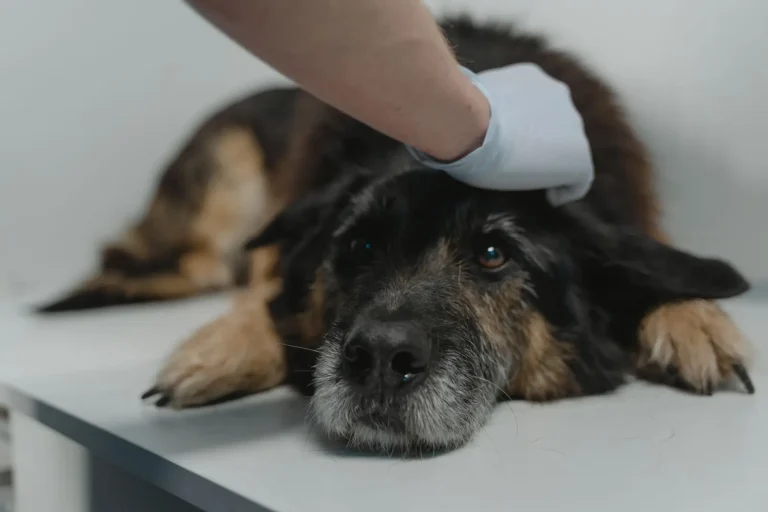
Australian Shepherds, particularly the more sensitive ones, will pull their paw away if they feel pain. This isn’t stubbornness – it’s a legitimate signal that something hurts. If a dog consistently resists nail trims, it’s often because they’ve had a quick clipped before or the clipper is dull. Some dogs are naturally more tolerant than others, but even a patient dog will develop anxiety if the experience becomes painful.
What Happens When You Clip the Quick
If you do cut into the quick, the nail will bleed. It’s not a medical emergency, but it’s uncomfortable and the dog will remember it. Keep styptic powder or cornstarch on hand. Apply pressure with a clean cloth for a minute or two, then dust the powder on the nail. The bleeding usually stops within five minutes. The nail itself will be fine – it heals without scarring – but the dog’s willingness to cooperate next time takes a hit.
I’ve noticed that dogs who’ve had a quick clipped once become noticeably more anxious about future trims. They’ll shift their weight, pull their paw away sooner, and generally make the whole process harder. This is why starting with conservative cuts matters so much. A nail that’s slightly longer than ideal is far better than a dog that now requires sedation for grooming.
Frequency and Maintenance Between Trims
The three to four week cycle works for most Aussie Shepherds living a typical indoor-outdoor lifestyle. If your dog spends significant time on hard surfaces, you might stretch it to five or six weeks. If your dog rarely leaves the house or spends most time on grass, you might need to trim every two to three weeks. The best indicator is the sound the nails make when the dog walks on tile or wood floors. If you hear clicking, the nails are too long.
Some owners use nail grinders instead of clippers. These work well for dogs that tolerate them, but they require more time and the noise bothers some dogs. Grinders also generate heat, which can be uncomfortable if you hold them too long in one spot. They’re useful for smoothing rough edges after clipping, but I don’t find them faster or more reliable than sharp clippers for the initial trim.
Between trims, regular walks on pavement help slow nail growth. This is one reason why Australian Shepherds that get out regularly tend to have fewer nail problems. The natural wear from activity reduces the frequency of trims needed. Dogs that are mostly indoors will always need more frequent attention.
When Nails Become a Larger Issue
Occasionally you’ll encounter an Aussie Shepherd with severely overgrown nails – sometimes the result of neglect, sometimes because an owner didn’t realize how quickly they grow. These nails curve around and can actually press into the pad of the foot, causing discomfort and affecting how the dog walks. Correcting this takes multiple trim sessions over several weeks because you can’t safely remove all that length at once. Each trim allows the quick to recede slightly, creating room for the next trim to go deeper. Rushing this process risks infection and pain.
Nails that have been allowed to grow this long also tend to split or crack as they lengthen. These splits can extend down into the quick, which is painful and can lead to infection if not kept clean. If you notice a split nail, trim it back as far as you safely can and monitor it. If the dog starts limping or the area becomes swollen, a vet visit is warranted.
The reality of nail care is that consistency prevents most problems. An Aussie Shepherd whose nails are trimmed regularly every few weeks stays comfortable, walks normally, and doesn’t develop the behavioral resistance that makes grooming difficult. The task itself takes five to ten minutes once you understand what you’re doing. It’s the neglect that creates the real work.