
After years of working with Australian Shepherds in Australia, I’ve seen firsthand how quickly vet bills accumulate. These are active, intelligent dogs with genuine healthcare needs, and the costs reflect that reality. Most owners arrive at their first vet appointment with a vague idea of what they’ll spend, then walk out surprised by the invoice. Understanding what actually goes into these costs helps you plan properly rather than scrambling when something unexpected happens.
The first thing to recognize is that Australian Shepherds aren’t cheap to maintain medically. They’re medium-to-large dogs with energy levels that often lead to injuries, and they can develop breed-specific conditions that require ongoing management. I’ve worked with owners who budgeted based on what they paid for a smaller dog, only to find themselves significantly short when their Aussie needed treatment.
Routine Annual Care
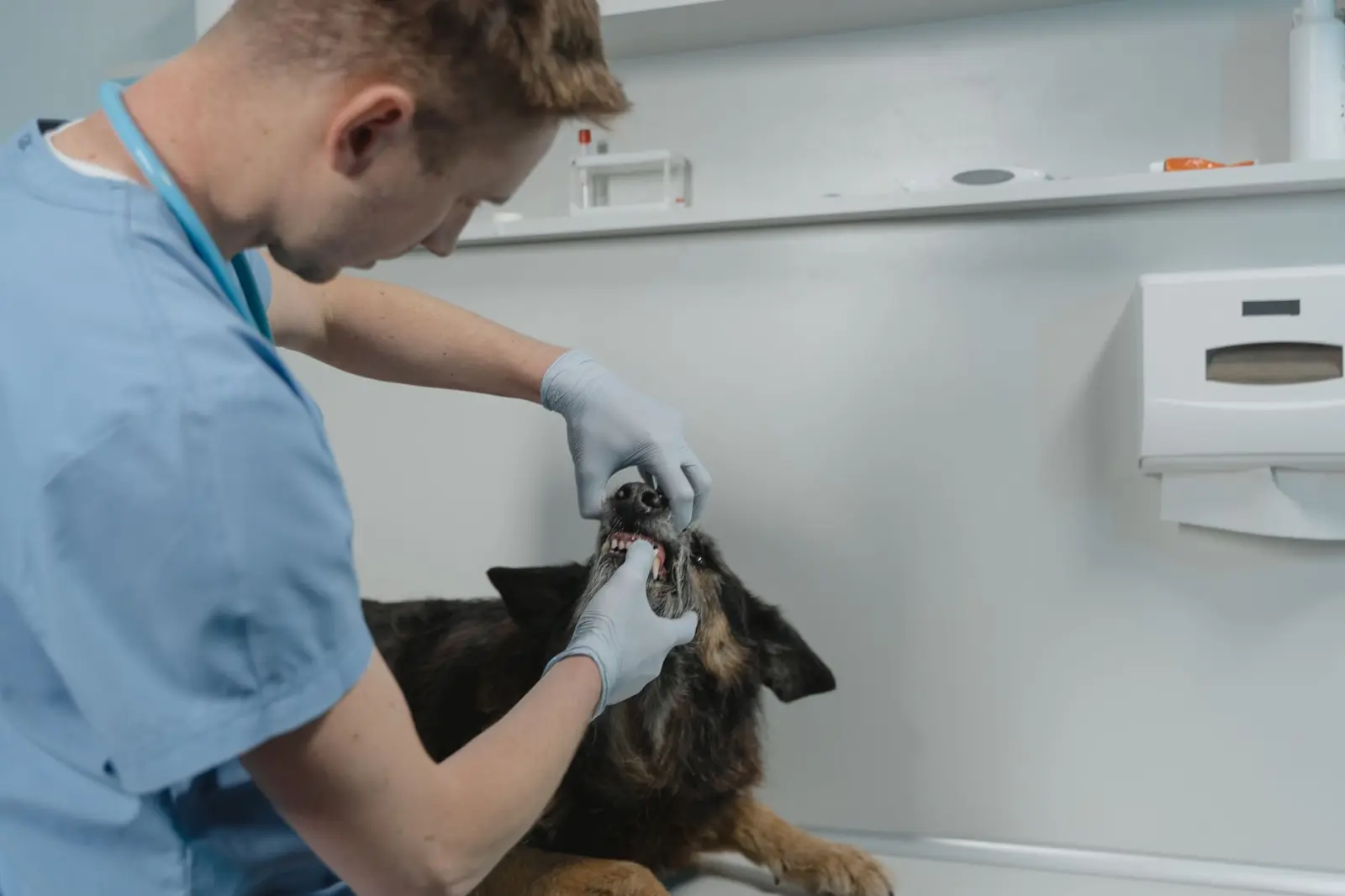
A standard annual health check in Australia typically costs between $150 and $300, depending on your location and the clinic. Urban practices charge more than rural ones, and this pattern holds across the country. During that visit, your vet will perform a physical examination, discuss any behavioral or health changes, and recommend preventative measures. For an Australian Shepherd in good health, this is straightforward.
Vaccinations form the bulk of routine costs. Puppies need a series of shots starting at 6 to 8 weeks, with boosters every 3 to 4 weeks until 16 weeks old. Each vaccination visit costs $60 to $150. Adult dogs need annual boosters, which typically run $80 to $150 per visit. If you’re adopting an adult dog and don’t have vaccination history, you’ll likely need a full series, which means multiple visits and higher initial expense. I’ve seen owners surprised by this, particularly those bringing in rescue dogs where records are incomplete.
Parasite prevention is non-negotiable with these dogs. Australian Shepherds are outdoor-oriented and active, making them vulnerable to ticks, fleas, and internal parasites. Monthly preventatives cost $15 to $40 per dose, depending on the product and whether you buy through a vet or online. Over a year, that’s $180 to $480 just for parasite control. Some owners try to cut costs with cheaper alternatives, but I’ve seen that backfire when a dog develops a tick-borne illness or heavy worm burden.
Desexing and Dental Work
Desexing is a significant one-off cost that most owners face early. For an Australian Shepherd, spaying or neutering typically costs $400 to $800 at a standard practice. Some low-cost clinics offer the procedure for $200 to $400, but availability varies by region and waiting times can be long. The procedure itself is routine, but the cost is substantial enough that owners should budget for it before bringing a puppy home.
Dental care is where I see owners consistently underestimate expenses. Australian Shepherds can develop tartar and plaque buildup, particularly as they age. A professional dental cleaning under anesthesia costs $300 to $600, sometimes more if extractions are needed. Many owners don’t budget for this until their dog is 4 or 5 years old and the vet recommends a clean. By that point, the dog may have existing dental disease, which increases the cost and complexity. Regular brushing at home helps, but not all dogs tolerate it well, and some still need professional cleaning regardless.
Breed-Specific and Common Issues
Australian Shepherds are prone to certain conditions that drive veterinary costs up over their lifetime. Hip and elbow dysplasia occurs in the breed at meaningful rates. Screening through radiographs costs $300 to $600 per joint area. If dysplasia is confirmed, management might involve physiotherapy, supplements, or in severe cases, surgery. Orthopedic surgery in Australia is expensive – hip surgery can easily exceed $3,000 to $5,000 per hip.
Eye conditions are another consideration. Progressive retinal atrophy and collie eye anomaly appear in some lines. Eye examinations by a veterinary ophthalmologist cost $200 to $400. If treatment is needed, costs escalate quickly. I’ve worked with owners managing chronic eye issues over years, and the cumulative expense is substantial.
Epilepsy occurs in Australian Shepherds at higher rates than some breeds. If your dog develops seizures, you’re looking at diagnostic workup including bloodwork and possibly imaging, which can total $800 to $1,500. Long-term anticonvulsant medication costs $30 to $80 per month, depending on the drug and dosage. Over the dog’s lifetime, this adds up significantly.
Allergies and skin conditions are common complaints I see in this breed. Diagnostic testing for allergies can cost $200 to $400. Treatment might involve prescription diets ($50 to $100 per month), medications, or ongoing dermatology consultations. Some dogs require multiple visits and trials of different approaches before finding relief.
Emergency and Unexpected Costs
This is where budgeting becomes critical. Australian Shepherds’ active nature means injuries happen. A torn ligament, fracture, or acute lameness can require radiographs ($200 to $400), ultrasound ($300 to $600), or surgery. Orthopedic surgery for a torn cruciate ligament runs $1,500 to $3,000 per leg. I’ve seen owners face bills of $4,000 to $6,000 for a single incident.
Gastrointestinal issues are common in the breed. Bloat, while less frequent in Australian Shepherds than in deeper-chested breeds, is a genuine emergency. Emergency surgery for gastric dilatation-volvulus costs $2,000 to $4,000 and happens fast – there’s no time to shop around or budget gradually. Foreign body obstruction from swallowed objects requires similar emergency intervention.
Toxin ingestion is another emergency pathway. Dogs eating chocolate, xylitol, or other toxic substances need immediate treatment. Decontamination, bloodwork, and supportive care can cost $500 to $2,000 depending on what was ingested and how quickly treatment begins.
Realistic Annual Budget
For a healthy adult Australian Shepherd with no chronic conditions, expect to spend $800 to $1,500 per year on routine care. This includes annual exams, vaccinations, parasite prevention, and minor issues. In years where dental cleaning is needed or a significant illness occurs, double that figure easily. Over a dog’s 12 to 15 year lifespan, the cumulative cost is substantial – potentially $15,000 to $30,000 or more.
Pet insurance is worth considering for this breed. Premiums range from $30 to $80 per month depending on coverage level and the dog’s age when you enroll. Insurance doesn’t cover routine care, but it significantly reduces the impact of unexpected illness or injury. I’ve seen owners with insurance handle emergency situations far more calmly than those without it.
Regional variation matters. Sydney and Melbourne practices charge more than regional centers. Rural areas sometimes have fewer options, which can limit your ability to shop around. Building a relationship with a local vet early helps you understand their pricing and approach before you’re in crisis mode.
The reality is that Australian Shepherds require consistent veterinary investment. They’re not a breed where you can defer care or hope problems resolve on their own. Their size, activity level, and genetic predispositions mean that preventative care and prompt treatment of issues are genuinely necessary. Owners who budget realistically and maintain regular vet contact tend to catch problems early, which ultimately saves money and keeps their dogs healthier longer.