
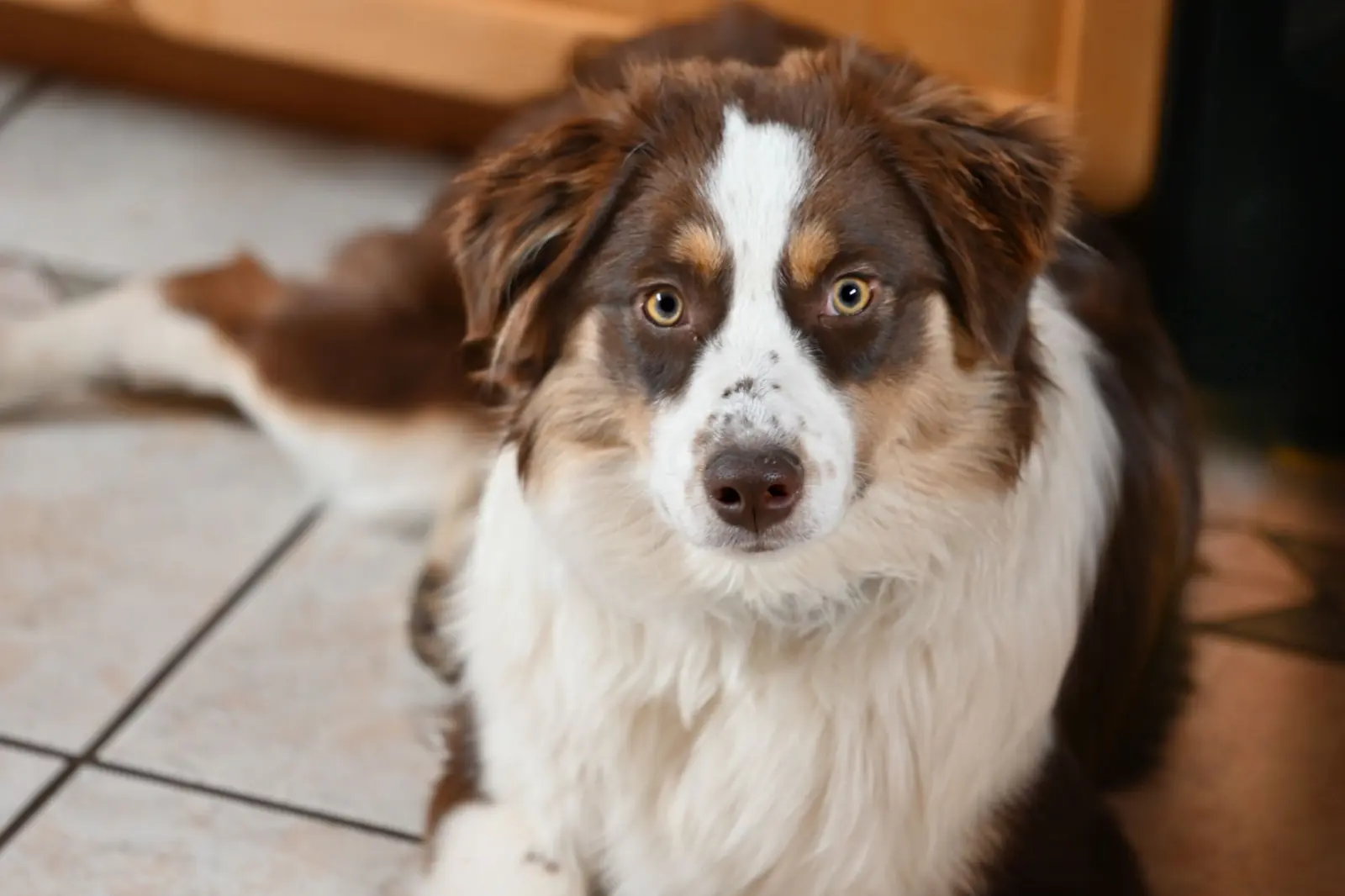
Elbow dysplasia shows up regularly in Australian Shepherds, and it’s one of those conditions that tends to catch owners off guard because the early signs are easy to miss or attribute to something else. I’ve worked with enough Aussies over the years to recognize the pattern: a dog that seems slightly stiff after rest, favors a front leg just enough that you might not notice it at first, or starts to avoid jumping into vehicles or onto furniture. By the time someone brings the dog in for evaluation, the joint damage is often already established.
The condition itself is a developmental problem where the elbow joint doesn’t form properly. In Australian Shepherds, this usually involves fragmentation of the medial coronoid process – a small bony projection inside the elbow – or sometimes cartilage damage in the joint itself. What makes it particularly frustrating is that it’s not a single injury or a result of rough play. It’s a structural issue that develops as the dog grows, influenced by genetics, nutrition, growth rate, and how the bones and cartilage align during those critical first months of life.
Why It Matters in This Breed
Australian Shepherds are athletic, working-oriented dogs. They’re bred to move, to turn quickly, to work stock all day. That athleticism is exactly what makes elbow dysplasia problematic. A dog with a compromised elbow joint is going to experience pain or discomfort during the activities they’re naturally inclined to do. You’ll see it manifest differently depending on the dog’s lifestyle. A companion Aussie living in a quiet household might manage with minimal intervention. A dog being trained for herding, agility, or serious obedience work will often struggle more noticeably because the demands on that joint are constant.
The breed’s popularity also means there’s been less rigorous screening in some breeding lines. Not all breeders test their dogs for elbow dysplasia before breeding, even though the tools exist. That’s a reality worth acknowledging when you’re looking at a puppy. The condition shows up across responsible breeders too – it’s not exclusively a backyard breeding problem – but the frequency and severity can vary significantly between lines.
What You Actually See
Early signs are subtle. A slight reluctance to jump down from heights. Stiffness that improves after a few minutes of movement. Mild lameness that comes and goes, especially after exercise. Some dogs will shift their weight off the affected leg when standing still. Others will start to develop muscle imbalance, where the shoulders and neck become more developed on one side as the dog compensates.
As the condition progresses, the lameness becomes more consistent. The dog might yelp when extending the elbow fully, or you might notice them holding their leg in a slightly bent position. In some cases, there’s swelling around the joint, though this isn’t always obvious under a dog’s coat. Pain during exercise is common, which often leads owners to restrict activity – sometimes too much, sometimes not enough.
What I’ve noticed is that some Aussies seem to tolerate the discomfort better than others. Pain perception and compensation patterns vary. A dog with a high pain threshold might continue working or playing hard despite significant joint damage, which can actually accelerate the degeneration. Others become noticeably lame with relatively mild changes visible on imaging.
Diagnosis and What It Reveals
Radiographs are the standard way to confirm elbow dysplasia, and they’re usually straightforward. A vet will take images of both elbows to compare and look for the characteristic changes: fragmentation of the coronoid process, loose bone fragments, joint space narrowing, or bone spur formation. Sometimes the changes are obvious. Sometimes they’re subtle enough that a second opinion or specialized orthopedic evaluation is worthwhile.
What the X-rays show doesn’t always correlate perfectly with how lame the dog is. I’ve seen dogs with severe radiographic changes that move relatively well, and dogs with mild changes that are significantly lame. This is partly because pain is subjective and partly because each dog’s joint mechanics are slightly different. The imaging tells you about structural damage; clinical assessment tells you about functional impact.
Advanced imaging like CT scans can provide more detail, especially if you’re trying to decide between conservative management and surgery. They’re more expensive and usually not necessary for straightforward cases, but they can be valuable if the initial radiographs are unclear or if you’re evaluating a young dog where early intervention might prevent progression.
Managing the Condition Long-Term
Most Australian Shepherds with elbow dysplasia are managed conservatively, at least initially. This means controlling activity, managing pain, and supporting joint health. Weight management is fundamental – every pound of excess weight puts more stress on the joint. For a 50-pound Aussie, that might not sound dramatic, but it matters. I’ve seen noticeable improvement in lameness just from getting a dog down to optimal body condition.
Joint supplements containing glucosamine and chondroitin are widely used, and many owners report subjective improvement. The evidence for their effectiveness is mixed, but they’re low-risk and some dogs do seem to benefit. Fish oil and omega-3 fatty acids have anti-inflammatory properties that can help. Prescription joint supplements like Adequan are stronger interventions and sometimes make a real difference in dogs that aren’t responding to oral supplements alone.
Pain management is individual. Some dogs do well with NSAIDs like carprofen or meloxicam, used strategically around periods of activity or during flare-ups. Others need them more consistently. The goal is to keep the dog comfortable enough to maintain gentle movement and muscle tone without overdoing it. Complete rest is actually counterproductive – the joint needs controlled movement to stay healthy.
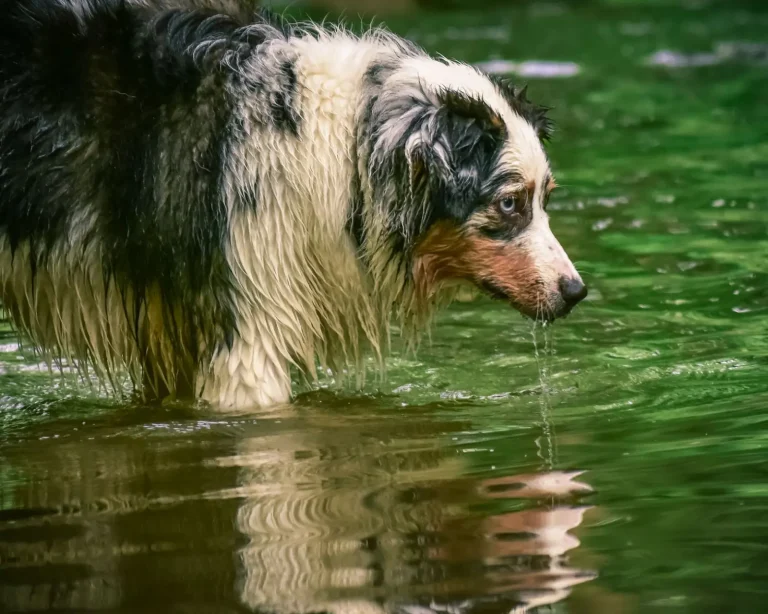
Physical therapy and controlled exercise are underused in my experience. Swimming or walking in shallow water is excellent for Aussies with elbow dysplasia because it allows movement without impact loading. Leash walks on soft surfaces are better than free running on hard ground. Some dogs benefit from therapeutic exercises that build core strength and stability, which can reduce the load on the affected joint.
When Surgery Becomes Relevant
Surgical intervention is considered when conservative management isn’t controlling pain or when a young dog has significant fragmentation that might benefit from removal of loose bone fragments. The most common procedure is arthroscopic removal of coronoid fragments, which can reduce pain and inflammation in the joint. Success rates are reasonable, especially in younger dogs, but surgery doesn’t reverse the underlying dysplasia or prevent future arthritis.
The decision to pursue surgery is never straightforward. It depends on the dog’s age, the severity of the lesion, how well conservative management is working, and what the owner’s expectations are. A young dog with a large fragment and poor response to conservative care is a better surgical candidate than an older dog with mild changes and acceptable function on medication.
Recovery from arthroscopic surgery is faster than from open procedures, and many dogs show improvement within weeks. But the long-term outcome depends heavily on post-operative management. Dogs that go back to unrestricted activity often develop problems again. Those managed carefully – with controlled exercise and ongoing joint support – tend to do better.
Elbow dysplasia in Australian Shepherds is something that requires realistic expectations and long-term thinking. It’s manageable, but it’s not curable. The goal is to keep the dog comfortable and functional for as long as possible, which usually means accepting some activity restrictions and being proactive about joint health. Most Aussies with this condition live normal lifespans and maintain decent quality of life, but they’re not going to be the dog that works all day or competes at the highest levels without consequence.