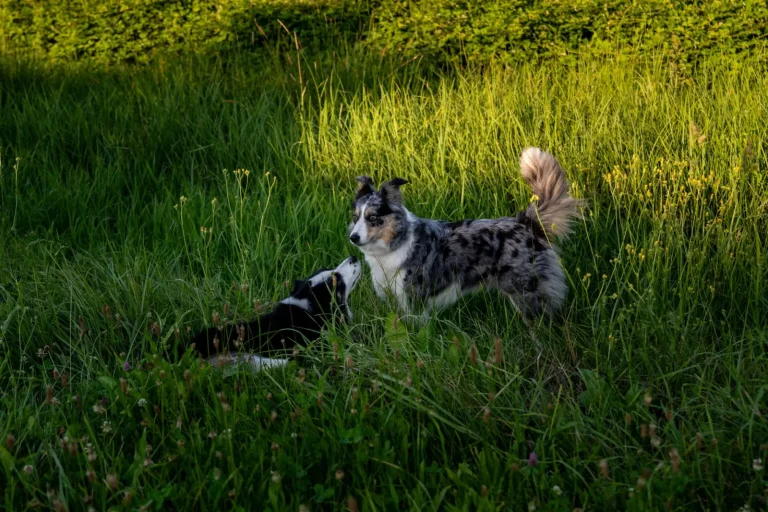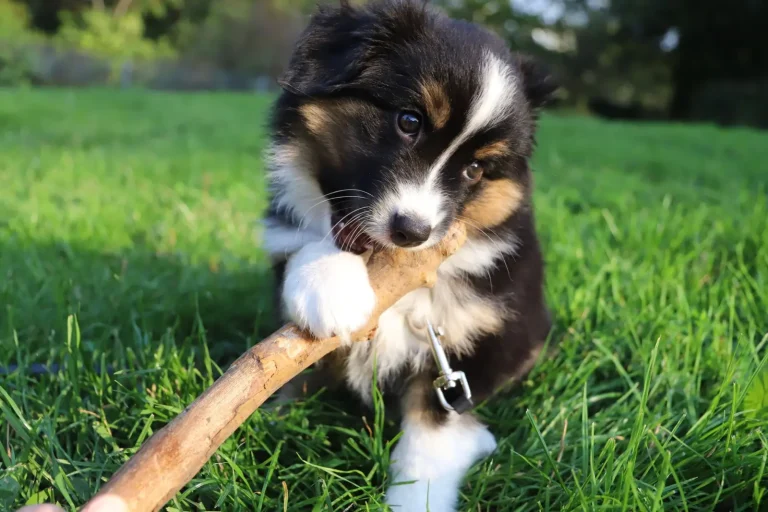

Australian Shepherds are built for work, not comfort. That’s the first thing to understand when you’re living with one through the warmer months. I’ve spent enough summers with these dogs to know that their thick double coat – the feature that makes them so visually striking and functionally excellent in cooler climates – becomes a genuine liability when temperatures climb. It’s not that they can’t survive heat. It’s that they’re working against their own biology, and the margin for error shrinks considerably.
The breed was developed to move livestock across variable terrain in regions where conditions could shift quickly. That heritage means Australian Shepherds have high drive, strong work ethic, and a coat designed to protect them from sun exposure and temperature swings. In their native environments, they weren’t typically working in sustained, intense heat. When you put that same dog in a modern suburban summer – especially in areas with high humidity or prolonged heat waves – you’re asking a lot of their cooling system.
What I’ve observed most often is that owners underestimate how much an Australian Shepherd wants to work or play, even when it’s genuinely too hot. The breed’s mentality doesn’t shut down at 85 degrees. A dog that’s been bred to herd all day will happily chase a ball or patrol the yard in conditions that are actively dangerous for it. This disconnect between what the dog wants to do and what it should be doing creates real risk.
Heat Stress Signs That Matter
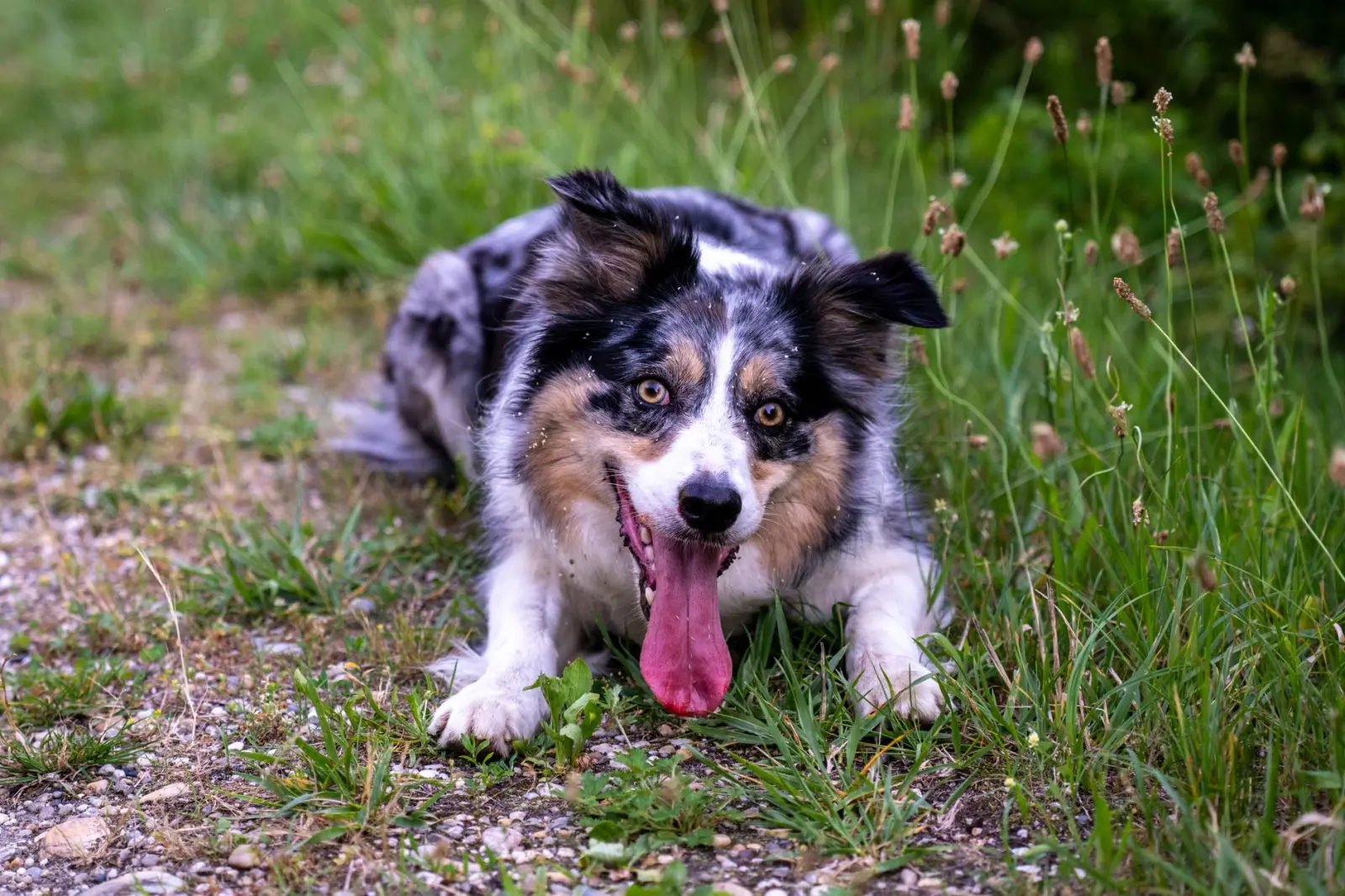
The early indicators of heat stress in Australian Shepherds are easy to miss if you’re not paying attention. Excessive panting is obvious, but it’s also normal on a warm day. What I look for instead is the *quality* of the panting – whether it’s rhythmic and controlled or frantic and shallow. A dog in genuine distress will often have a glazed expression, and their ears may seem less responsive to sound. Some will drool more heavily than usual, and their saliva might be thicker or more ropy.
Lethargy in an Australian Shepherd is a clearer signal. These dogs are naturally active, so when one suddenly loses interest in movement or seems disoriented, that’s worth taking seriously. I’ve seen dogs become uncharacteristically clingy or anxious in heat, seeking out cool spots obsessively rather than just resting normally. Vomiting or diarrhea during hot weather isn’t something to dismiss as coincidence – it often indicates the dog’s system is struggling.
One thing that catches people off guard is that heat stroke doesn’t always announce itself loudly. A dog doesn’t have to be panting frantically to be in danger. Some Australian Shepherds will become quiet and withdrawn as their core temperature rises, which can actually make owners think they’re handling the heat fine. By the time obvious symptoms appear – stumbling, collapse, or seizure activity – damage may already be underway.
Coat Management and Grooming Reality
The question of whether to shave an Australian Shepherd in summer comes up constantly, and the answer is more nuanced than most people realize. The double coat does provide insulation, which works both ways – it keeps heat out as well as in. Shaving removes that protection, and for a breed that spends time outdoors, that matters. I’ve seen dogs get sunburned on their skin after a full shave, which creates a different set of problems.
What actually helps is regular, thorough brushing to remove the dense undercoat. When you brush out the loose hair properly, you’re improving air circulation to the skin without removing the protective outer layer. This is work – Australian Shepherds shed heavily, and doing this right takes time and effort. But it’s the difference between a dog that can regulate temperature reasonably well and one that’s trapped under a mat of dead hair. A slicker brush and undercoat rake used consistently during spring and early summer will reduce the coat density meaningfully.
Some owners opt for a partial trim – clipping the coat shorter while leaving enough length for protection. This is a middle ground that can work, though it requires finding a groomer who understands the breed. A full shave is generally not necessary and removes protection the dog actually needs.
Water, Hydration, and Exercise Timing
Constant access to fresh water is non-negotiable, but it’s not enough on its own. An Australian Shepherd will drink when it’s thirsty, but that doesn’t mean it’s drinking optimally. I’ve found that offering water at regular intervals – especially after any activity – ensures better hydration than relying on the dog to self-regulate. In very hot conditions, some dogs become less interested in drinking, which is counterintuitive and dangerous.
Exercise timing is where real management happens. Morning and evening activity, before the temperature peaks, keeps the dog’s fitness and mental engagement up without the heat stress. A two-hour gap in the middle of the day, when the dog rests in a cool space, makes an enormous difference to how the dog handles the entire day. I’ve worked with owners who shifted their walking schedule by just two hours and saw immediate improvement in their dog’s comfort and behavior.
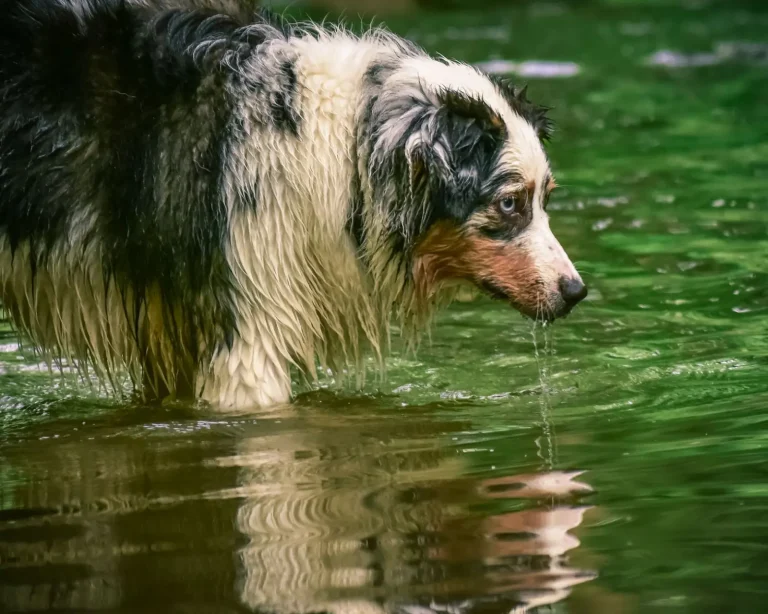
Swimming or wading in cool water is genuinely valuable, not just as enrichment but as active cooling. If you have access to a safe pool or creek, letting an Australian Shepherd spend time in water on hot days reduces core body temperature effectively. Some dogs take to it naturally; others need encouragement. Even a kiddie pool in the yard can serve this purpose.
Environmental Setup
Where the dog spends its time during the heat of the day matters more than most other factors. A shaded area with good air circulation is essential. A garage or basement that stays naturally cool becomes valuable real estate. Some owners set up a crate in an air-conditioned room, which works well for dogs that are crate-trained. The key is that the dog has access to genuinely cool space without having to ask or seek it out.
Concrete or tile flooring is cooler than carpet, and dogs will naturally seek it out. Providing a cool surface – even just a damp towel or a cooling mat – gives the dog options. I’ve seen dogs lie on tile floors for hours during peak heat, and that’s exactly what should happen. Preventing the dog from being stuck on warm surfaces matters.
Humidity compounds everything. A hot, dry day is manageable; hot and humid is exponentially harder on the dog’s cooling system because evaporative cooling becomes less effective. On those days, air conditioning or serious environmental management becomes non-optional.
Australian Shepherds are resilient and adaptable, but they’re not immune to heat stress. Working with the breed’s natural traits rather than against them – respecting the limitations of their coat and physiology, adjusting activity and environment proactively – keeps them safe and functional through the warm months. It’s not complicated, but it does require attention and consistency.