

Australian Shepherd puppies go through teething between roughly three and seven months of age, though the timeline varies. During this period, their baby teeth loosen and fall out to make way for permanent teeth. It’s a biological process that happens regardless of what you do, but how you manage it shapes both the puppy’s comfort and your household’s survival.
The intensity of teething in Australian Shepherds tends to catch owners off guard. These are intelligent, energetic dogs with strong jaws even as puppies. When their gums ache, they don’t just chew a little – they chew with purpose and determination. A four-month-old Aussie pup can cause real damage to furniture, baseboards, and anything else within reach. I’ve seen puppies work through drywall corners and wooden door frames in a matter of days.
What makes Australian Shepherds particularly prone to destructive chewing during this phase is their herding drive combined with their need for mental engagement. They’re not just seeking relief from sore gums; they’re also looking for something to do. A bored teething Aussie is a destructive teething Aussie. This breed requires more than just pain management during these months – they need outlets.
The Physical Signs and Timeline
You’ll notice the first baby teeth starting to loosen around eight to twelve weeks. The incisors go first, followed by the canines, then the premolars and molars. By five or six months, most of the baby teeth have fallen out, though some stragglers can hang on longer. The permanent molars are usually the last to come in, and they can cause discomfort well into the seventh month.
During peak teething, you might see drooling increase, mild swelling in the gums, and occasionally a slight loss of appetite. Some puppies are more vocal about it than others. Australian Shepherds in particular sometimes whine or yelp when chewing on something that hits a particularly sensitive spot. This isn’t always a sign of serious pain – it’s just their way of expressing discomfort.
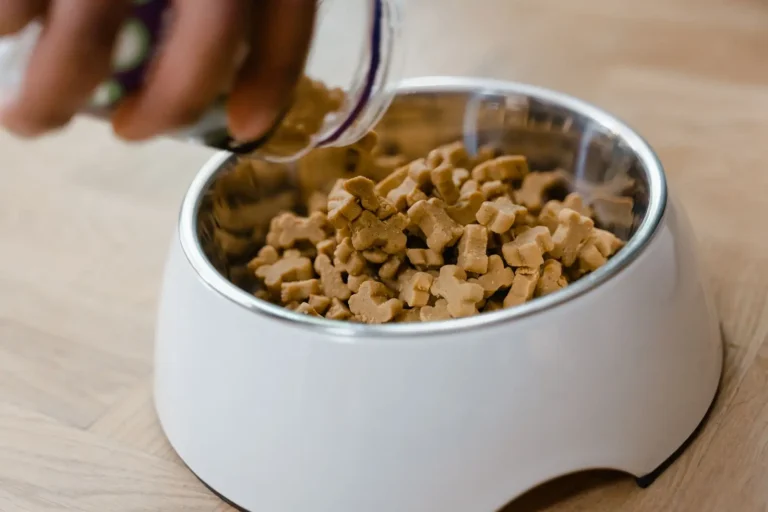
One thing that often gets overlooked: teething puppies sometimes have trouble eating their regular kibble. If you notice your pup eating more slowly or leaving food in the bowl, softening their dry food with warm water for a few weeks can help. It takes the pressure off their sore gums while they’re still getting their nutrition.
What Actually Helps
Cold items provide genuine relief. Frozen washcloths, rubber toys left in the freezer, or even ice cubes work because the cold numbs the gums temporarily. I’ve found that puppies will often choose a frozen toy over a room-temperature one when they’re actively teething. The relief is real and noticeable.
Appropriate chewing outlets matter more than you’d think. This is where many owners fail their teething Aussie. You can’t just tell a puppy “don’t chew the couch” and expect compliance. You have to give them something better to chew instead. Durable toys designed for teething, rope toys, and rubber toys all serve a purpose. The key is rotating them so the puppy doesn’t get bored with the same three toys.
Rawhide chews and similar products are popular but come with their own risks. They can splinter, cause blockages, or be gulped down without proper chewing. I tend to favor toys that are specifically designed to withstand heavy chewing and that can’t be broken into dangerous pieces. Nylon chew toys and rubber toys made for aggressive chewers are safer bets for an Australian Shepherd puppy.
Managing the Behavior Side
Teething coincides with a critical period for an Australian Shepherd’s development. This is when they’re learning what they can and can’t chew, and those lessons stick. If a puppy spends months chewing the furniture because you didn’t manage their environment properly, they’ll continue that habit even after teething ends. The behavior becomes ingrained.
Puppy-proofing isn’t optional during these months. It’s the difference between a manageable situation and chaos. This means removing access to items they shouldn’t chew, using baby gates to restrict their movement, and being intentional about supervision. Australian Shepherds are smart enough to find trouble when you’re not watching, and they have the jaw strength to cause real damage in minutes.
Exercise and mental stimulation reduce destructive chewing significantly. A tired puppy is a well-behaved puppy, and this is especially true for a breed like the Australian Shepherd. During teething months, I increase the amount of structured play and training time. It gives the puppy an outlet for their energy and intelligence, which means less energy directed toward chewing your belongings.
Training during teething is actually easier than you’d think because the puppy is motivated and engaged. Short, frequent training sessions work better than long ones. Five to ten minutes several times a day keeps their mind occupied and builds good habits that extend beyond the teething phase.
When Something Seems Wrong
Most teething is straightforward, but occasionally something else is happening. If a puppy refuses to eat solid food entirely, has severely swollen gums, or shows signs of infection around the teeth, a vet visit is warranted. Retained baby teeth, where a permanent tooth comes in but the baby tooth doesn’t fall out, can happen in Australian Shepherds and sometimes needs extraction.
Excessive drooling that seems abnormal, or drooling accompanied by fever or lethargy, isn’t just teething. Puppy teething discomfort is real but generally doesn’t make a dog feel systemically ill. If your puppy seems lethargic or unwell beyond the normal mild discomfort, something else might be going on.
The teething phase is temporary, but how you handle it shapes your puppy’s adult behavior and your relationship with them. Australian Shepherds are responsive to management and training, which works in your favor. The months of chewing and discomfort pass relatively quickly, and you’re left with a dog whose habits were shaped by what you allowed and encouraged during that critical window.