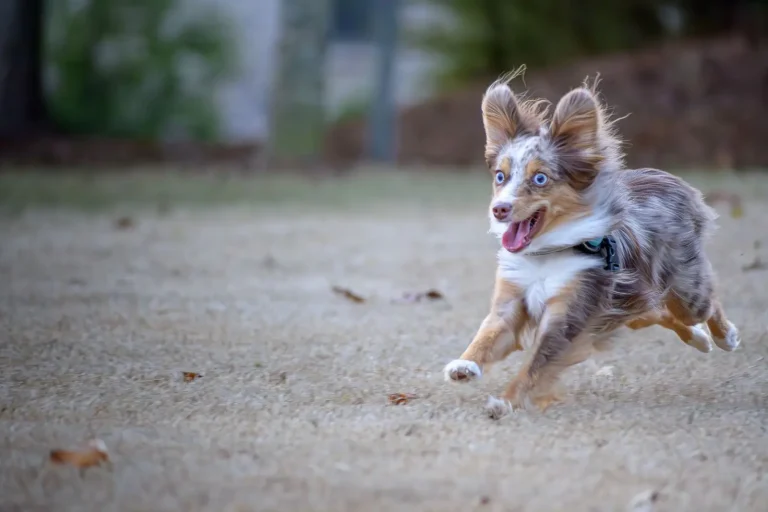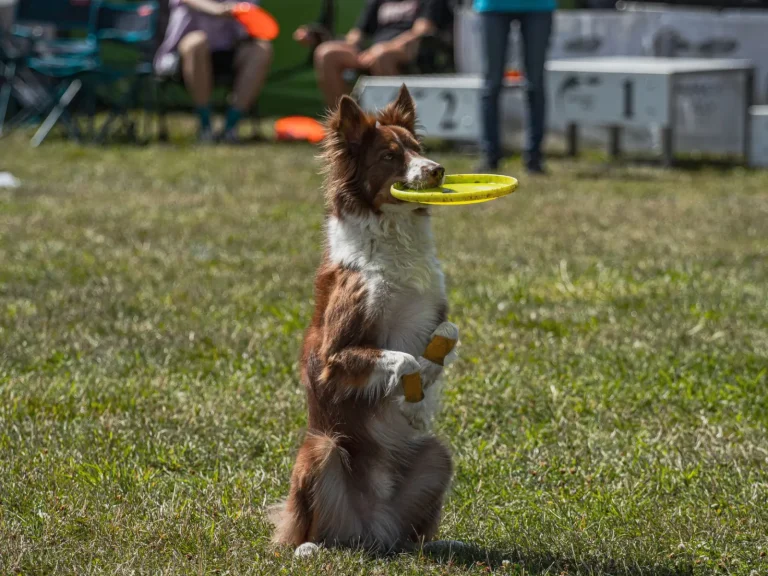

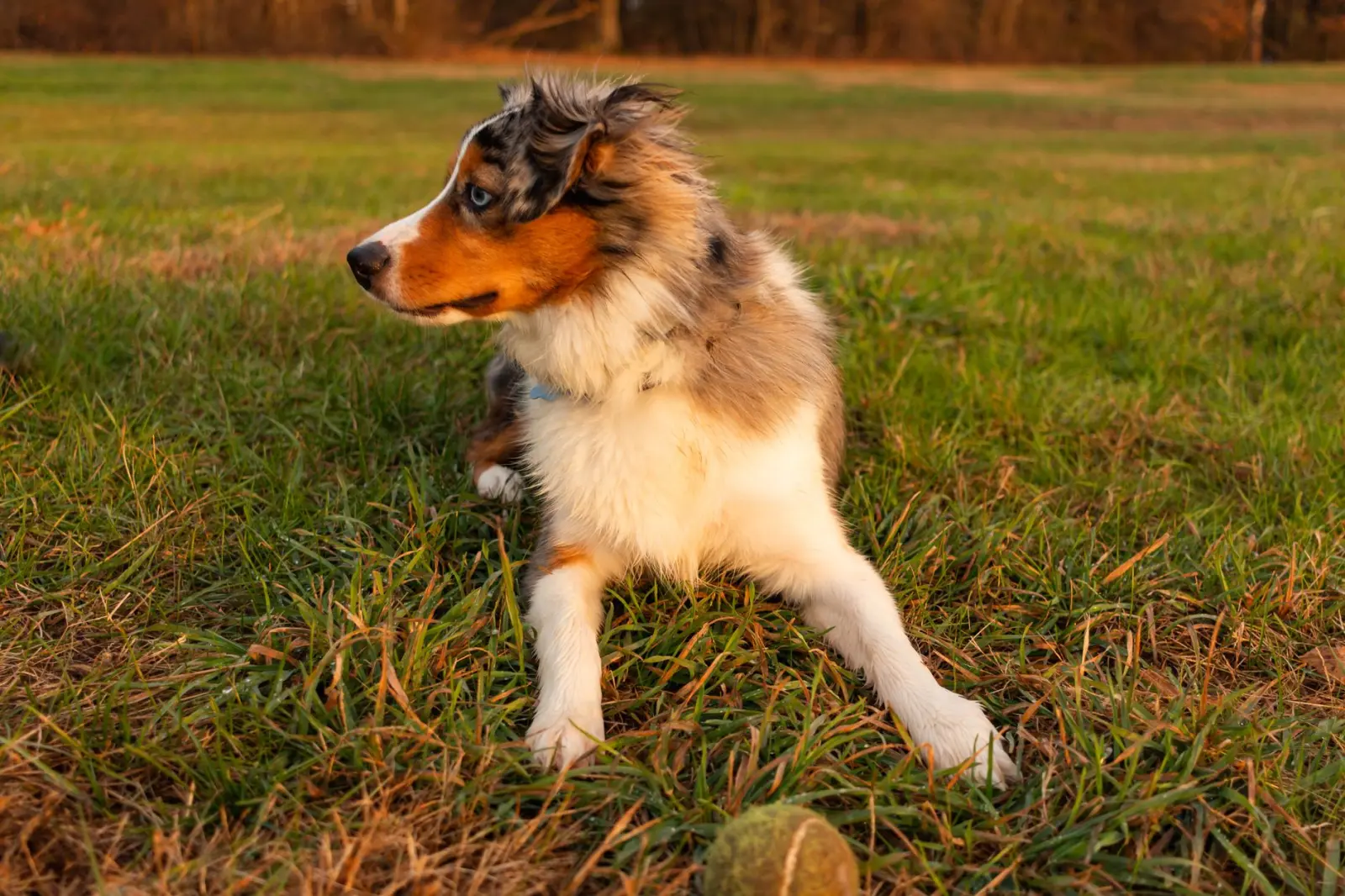
Australian Shepherd puppies bite with a particular intensity that catches many owners off guard. It’s not aggression in the traditional sense, but rather a combination of teething discomfort, play drive, and the breed’s natural herding instinct expressing itself through their mouths. I’ve worked with enough of these puppies to recognize the pattern immediately: they arrive at their new homes with needle-sharp teeth and an almost compulsive need to use them on everything within reach. The biting stage typically peaks between eight weeks and five months, though some individuals remain mouthy well into their first year.
What makes Australian Shepherds different from many other breeds is their intelligence and their drive. They’re not biting out of simple curiosity or teething pain alone. They’re also testing boundaries, learning about their environment, and often seeking engagement. A bored Australian Shepherd puppy will bite more persistently than one that’s mentally stimulated. This is worth understanding early, because it changes how you respond to the behavior.
The Reality of the Teething Phase
Teething in Australian Shepherd puppies is genuine and uncomfortable. Their baby teeth begin falling out around three to four weeks, and the adult teeth come in over the following months. During this time, their gums are sore and sensitive. Many owners assume that providing chew toys alone will solve the problem, but that’s only part of the picture. A puppy might have access to a dozen appropriate chew items and still prefer your hand or your pant leg because human contact offers something a rubber toy doesn’t: engagement and response.
The intensity of biting often increases when puppies are tired or overstimulated. This is a detail that matters. An exhausted Australian Shepherd puppy is frequently a bitey puppy, not because they’re more aggressive but because they’ve lost the ability to regulate themselves. Their impulse control collapses. You’ll notice this pattern if you pay attention: the worst biting episodes often occur in late afternoon or evening, after the puppy has been playing or exploring for hours without a break.
What Doesn’t Work (and Why People Keep Trying It)
Yelping and making a big fuss when bitten is a strategy that sounds reasonable in theory. The idea is that you’re mimicking how littermates would respond, teaching the puppy that biting leads to the end of play. In practice, with Australian Shepherds, this often backfires. These puppies are smart and responsive to attention. A loud yelp can actually reinforce the behavior because it’s interesting. The puppy learns that biting produces a reaction, which is exactly what they were looking for. I’ve seen puppies bite harder and more frequently after owners started using this method.
Punishment-based approaches create their own problems. Yelling at a puppy, swatting them, or pinning them down doesn’t teach them not to bite. It teaches them to be wary of hands, to bite when they think they might be punished, or to bite harder before the punishment comes. Australian Shepherds are sensitive dogs in many ways, and harsh corrections tend to produce anxiety rather than understanding.
Redirecting to a toy works sometimes, but not consistently, especially if the puppy has already locked onto your hand. By the time they’re actively biting, redirecting often comes too late. It’s more effective as a preventive strategy, offering appropriate items before the puppy reaches that state of arousal.
Managing Biting Through Environment and Routine
The most reliable approach I’ve found involves controlling what the puppy has access to and managing their energy levels throughout the day. This means limiting unsupervised time with people, especially during peak biting hours. It sounds restrictive, but it’s actually protective for both the puppy and the household. A puppy confined to a pen with appropriate toys and water is not learning bad habits. They’re learning to settle, which is a skill that takes time to develop.
Exercise and mental stimulation matter more than most people realize. A twenty-minute training session using positive reinforcement can tire an Australian Shepherd puppy more effectively than an hour of free play. These puppies need their brains engaged. Simple activities like teaching sit, down, or basic impulse control exercises provide the mental work they’re seeking. When that need is met through appropriate channels, the compulsive biting often decreases noticeably.
Teething toys that can be frozen are genuinely useful. The cold numbs sore gums and provides relief. Offering these at specific times rather than leaving them constantly available makes them more interesting to the puppy. Some puppies will work on a frozen toy for extended periods if it’s presented as something special.
Handling Biting When It Happens
When a puppy is actively biting your hand or arm, the response should be calm and consistent. Withdrawing your hand is the first step, but doing it abruptly can trigger a chase response in some puppies. Slow removal is often more effective. Following withdrawal, removing yourself from the interaction entirely works better than any verbal correction. The puppy learns that biting ends the engagement they were seeking. This is information they understand.
Some puppies respond well to a brief time-out in a safe space, but only if it’s done without emotion or drama. The goal isn’t punishment. It’s simply removing the opportunity to continue the behavior. A puppy placed in a pen or quiet room for a few minutes learns that biting has a consequence: the interaction stops.
Consistency across all household members is essential. If one person redirects to a toy while another person uses withdrawal, the puppy receives mixed messages and learns nothing. Everyone needs to respond the same way, every time.
When Biting Indicates Something Else
Most puppy biting is normal development, but occasionally it signals pain or an underlying issue. A puppy that suddenly bites more intensely or in a different pattern might have a mouth injury, an infection, or dental pain beyond normal teething. If you notice swelling, discharge, or signs of infection around the mouth, a veterinary check is warranted.
Biting that’s accompanied by growling, stiffness, or a guarding posture is different from play biting. This is less common in young Australian Shepherds but can indicate resource guarding or fear. These situations require different management and sometimes professional guidance.
The biting stage in Australian Shepherd puppies is temporary but can feel endless while you’re living through it. The key is understanding that it’s a normal developmental phase driven by teething, play drive, and intelligence rather than aggression. Managing the environment, providing appropriate outlets, and responding consistently when biting occurs will move you through this phase more smoothly than any single technique or trick. Most puppies naturally bite less as their adult teeth come in and as they develop better impulse control, usually by six to eight months of age. Until then, patience and structure make the difference between a frustrating experience and a manageable one.