
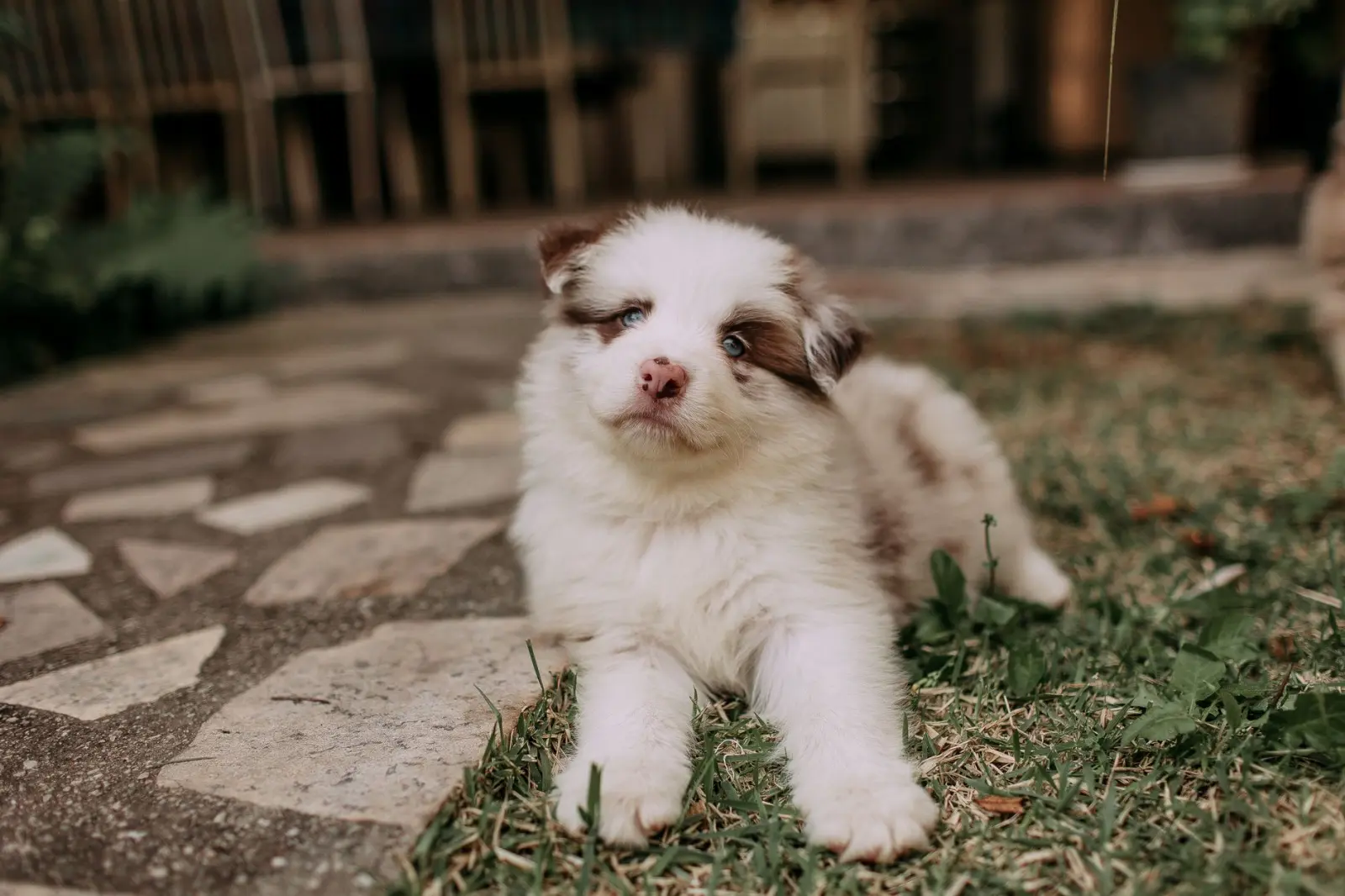
Australian Shepherds have one of the more demanding coats you’ll encounter regularly. After years of working with these dogs, I’ve learned that the difference between a well-maintained coat and a matted, shedding mess often comes down to having the right brush and understanding what your dog’s coat actually needs at any given time. Most people underestimate how much work their Aussie’s coat requires, and they usually find out the hard way when they’re pulling clumps of hair off their furniture in spring.
The coat itself is a double coat with a medium length and a dense undercoat that sheds year-round, with dramatic seasonal increases. This isn’t a coat that responds well to casual brushing. The structure means that surface-level grooming often misses the real problem – the undercoat matting and shedding that accumulates underneath. I’ve seen dogs that looked fine on top but had serious matting issues once you worked through the guard hairs.
Slicker Brushes and Why They Matter
A quality slicker brush is probably the most useful tool for Australian Shepherds, and it’s where I’d recommend anyone start. The fine, short wires close together are designed to work through the outer coat and catch the undercoat without damaging the guard hairs. The key is using one that’s actually well-made. Cheap slicker brushes bend too easily, and the wires lose their tension quickly, which means you’re not doing much of anything except moving hair around.
What I’ve noticed is that people often use slicker brushes incorrectly. They brush in the direction the coat grows, which feels natural but doesn’t actually penetrate the undercoat effectively. The real technique involves brushing against the grain in sections, working methodically through the coat. This takes longer, but it’s the difference between removing loose hair and actually preventing mats. A slicker with a handle that doesn’t cause hand fatigue matters more than you’d think when you’re working through a full coat, especially during shedding season.
Undercoat Rakes for Serious Shedding
An undercoat rake is different from a slicker and serves a specific purpose. Where a slicker works on the whole coat, a rake is designed to pull out the loose undercoat specifically. The teeth are spaced wider and often have a double row, which allows them to grab and remove dead undercoat without cutting the guard hairs.
I use rakes during heavy shedding periods, particularly in spring and fall when Aussies blow their coat. The amount of hair that comes out with a proper undercoat rake is genuinely surprising the first time you use one. Some people worry they’re being too rough, but a correctly used rake doesn’t damage the coat – it removes hair that’s already loose and ready to shed anyway. The difference is that you’re removing it before it ends up on your clothes and furniture.
There’s a learning curve with rakes. Too much pressure and you can irritate the skin or pull out coat you shouldn’t. The right approach is light, consistent strokes that let the tool do the work. A rake with adjustable depth settings, if you can find one, gives you more control, but most people do fine with a standard model once they understand the technique.
Dematting Tools and Prevention
Mats are inevitable if you’re not consistent with brushing, and they’re one of the main reasons people struggle with Australian Shepherd coats. Once a mat forms, you have limited options. A dematting comb or mat splitter can help, but these are damage-control tools, not ideal solutions. Prevention through regular brushing is always better than trying to work out established mats.
I’ve found that problem areas tend to be consistent. Behind the ears, under the legs, and around the rear end are where mats form most often because those areas get less air circulation and more friction from movement. If you’re going to focus your effort anywhere, those spots deserve extra attention. A few minutes of targeted brushing in those areas several times a week prevents hours of work later.
Comb Types and Their Place
Metal combs with varying tooth spacing are useful for finishing work and checking for remaining mats or tangles. A wide-tooth comb helps you work through problem areas gently, while a fine-tooth comb is good for checking if your brushing actually removed everything. I use combs more as a diagnostic tool than a primary grooming tool. If a comb glides through smoothly, your brushing was effective. If it catches, you’ve missed something.
Some people prefer combs for regular maintenance, and that works if you’re consistent and your dog’s coat isn’t heavily matted. For most Australian Shepherds, though, a comb alone won’t manage the undercoat effectively enough to prevent the matting and shedding issues that develop.
Seasonal Adjustments and Maintenance Frequency
The reality of Australian Shepherd coat care is that your routine needs to change with the seasons. During non-shedding months, a slicker brush used once or twice a week is often sufficient to keep the coat in decent condition. During heavy shedding periods, you might need to brush three or four times a week, and you’ll want to incorporate the undercoat rake regularly.
I’ve noticed that dogs who get consistent brushing year-round have far fewer behavioral issues related to grooming. They’re used to the process, they understand it’s not painful, and they’re more cooperative. Dogs who only get brushed when they’re matted or shedding excessively often develop anxiety around grooming tools because their experience is usually uncomfortable.
The investment in good brushes pays for itself quickly when you consider how much easier regular maintenance is compared to dealing with severe matting. A slicker brush that costs thirty dollars and lasts years is far cheaper than professional dematting services or having to shave out a severely matted coat. Over time, you develop a feel for what your individual dog’s coat needs, and the process becomes routine rather than a chore.