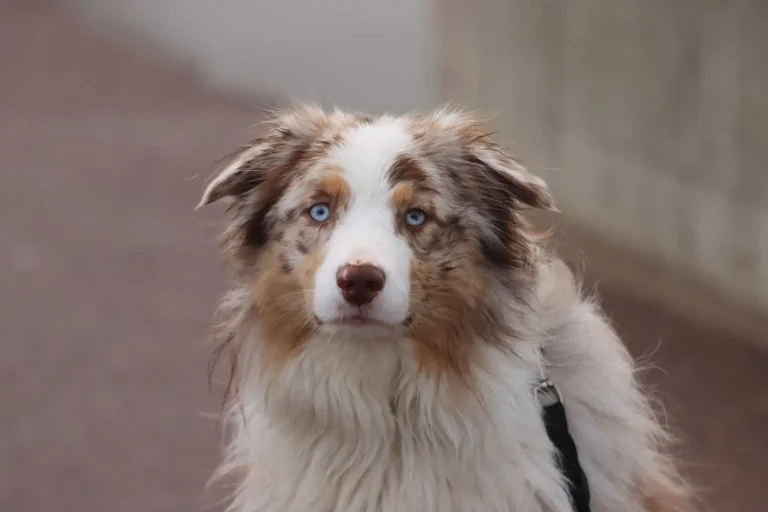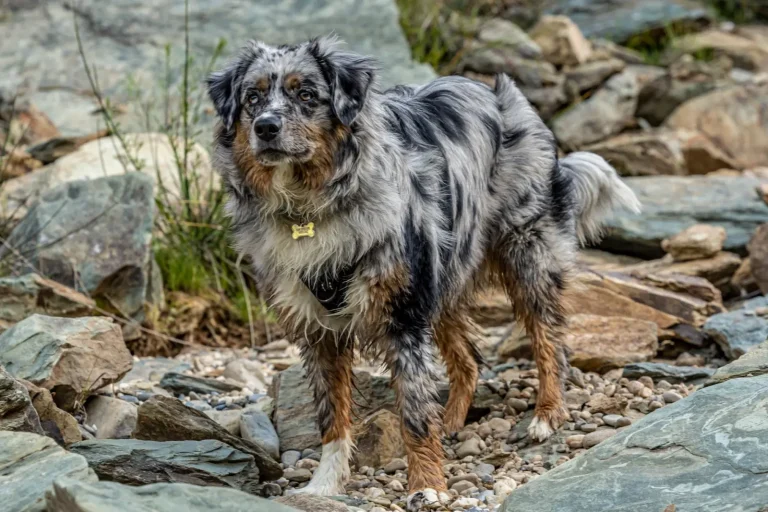


Australian Shepherds shed year-round, and there’s no way around it. I’ve worked with these dogs long enough to know that the common assumption – that they only shed during spring and fall – misses the reality of living with one. Yes, they blow their coat twice a year in heavier cycles, but the daily shedding in between is steady and persistent. Understanding this from the start changes how you approach managing hair in your home.
The first thing I noticed when I started living with Aussies is that their shedding isn’t random. It follows the dog’s activity level, stress, diet quality, and seasonal light exposure. A dog that spends most of its time indoors under artificial light will shed differently than one with consistent outdoor time. Indoor heating in winter intensifies shedding. Even a period of anxiety or dietary changes can trigger increased hair loss. Once you recognize these patterns in your own dog, you stop treating shedding as a mystery and start seeing it as information about what’s happening with the dog’s system.
Grooming as the Foundation
The single most effective tool for managing Aussie hair around the house is a high-velocity dryer, not a standard pet dryer. Standard dryers take forever and don’t penetrate the double coat effectively. A high-velocity dryer forces water and loose hair out of the coat at the source, which means you’re removing hair before it ends up on your furniture. I typically use one after a bath, and it cuts down on shedding for about two weeks afterward. The investment is worth it if you’re serious about managing hair indoors.
Between baths, a slicker brush used twice weekly makes a noticeable difference. The key is consistency rather than intensity. Many people wait until they see visible mats or excessive shedding, then do an aggressive grooming session. That approach works, but it’s reactive. What I’ve found more effective is a light, regular schedule. Ten minutes with a slicker brush twice a week removes loose undercoat before it falls out naturally. You’ll see the difference in how much hair ends up on your floors and furniture within a month.
Undercoat rakes are useful during heavy shedding periods, but I’ve learned not to overuse them. They’re excellent for removing matted undercoat, but if used too aggressively or too frequently, they can irritate the skin and actually trigger more shedding. During the spring and fall coat blows, an undercoat rake once a week is appropriate. Outside those periods, stick with the slicker brush.
The Reality of Vacuuming and Cleaning
You will need a good vacuum. Not a good vacuum for a pet owner – a genuinely good vacuum that can handle dense, fine hair. Cordless stick vacuums are popular but tend to clog quickly with Aussie hair. A canister vacuum with strong suction and a motorized brush roll handles the job more reliably. I vacuum high-traffic areas three times a week during normal shedding and daily during coat blow periods. This isn’t excessive; it’s the baseline for maintaining a reasonably clean floor.
Lint rollers and rubber brooms are useful for furniture and quick cleanups, but they’re supplements, not solutions. A rubber broom is particularly effective on hardwood or tile floors because it gathers hair into clumps rather than spreading it around. On carpeted areas, it’s less efficient than vacuuming but works well as a maintenance tool between vacuum sessions.
Furniture covers are practical if you want to protect your couch or chairs. The advantage is that you can remove and wash them rather than dealing with hair embedded in fabric. However, they can shift around, and some dogs find them uncomfortable. I’ve had better results with washable throws that stay in place and can be laundered weekly.
What Doesn’t Work as Well as People Think
Specialized “de-shedding” shampoos and conditioners have limited effectiveness. They don’t prevent shedding; they can only make the coat healthier, which may reduce excessive shedding caused by poor coat condition. If your dog’s shedding is normal and the coat is healthy, these products won’t change the volume of hair you’re managing. Diet quality matters far more. A dog on a poor-quality diet with inadequate protein and omega fatty acids will shed more and have a drier, less resilient coat. A good diet shows up in coat quality within weeks.
Supplements marketed for coat health – omega-3, biotin, and similar products – do help, but the effect is gradual and modest. They’re worth considering if your dog has a dry or dull coat, but they won’t solve the fundamental shedding problem. They’re part of overall health, not a shedding solution.
Air purifiers with HEPA filters reduce airborne hair and dander, which is helpful for people with allergies, but they don’t address the hair on surfaces. They’re a comfort measure, not a management strategy.
Seasonal Patterns and Planning
The coat blow typically happens in spring and fall, though the timing varies by individual dog and geography. In my experience, dogs that spend significant time outdoors respond more predictably to seasonal changes. Indoor dogs sometimes shed more continuously with less dramatic seasonal peaks. When the blow starts, you’ll notice hair accumulating faster than usual – this is the time to increase grooming frequency and vacuum more often. These periods last roughly three to four weeks, though some dogs stretch it longer.
Planning ahead makes a difference. If you know a coat blow is coming, schedule a professional grooming session with a high-velocity dryer if you don’t have access to one. This single session removes an enormous amount of loose hair and can reduce the duration and intensity of the shedding period.
Living with an Australian Shepherd’s shedding is manageable once you accept that it’s a consistent part of ownership and establish a realistic routine. The dogs are worth the effort, but the effort is real. Grooming regularly, vacuuming consistently, and maintaining good diet quality keep hair from becoming an overwhelming problem. There’s no way to eliminate shedding, but there are many ways to keep it from taking over your home.