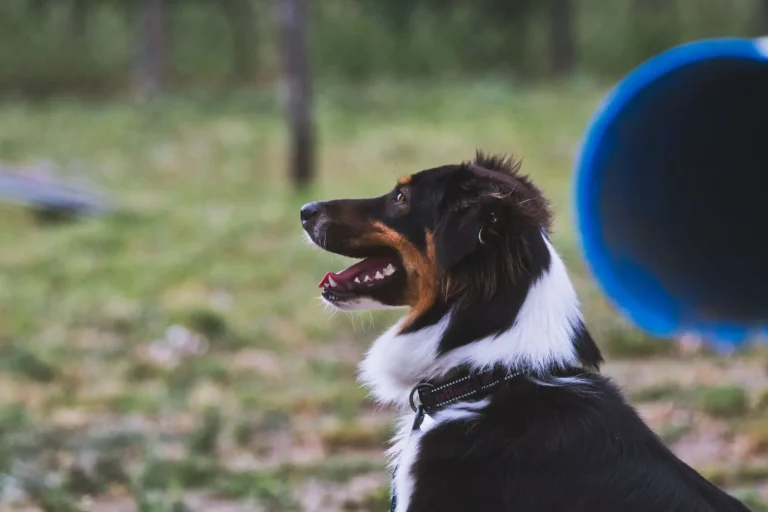

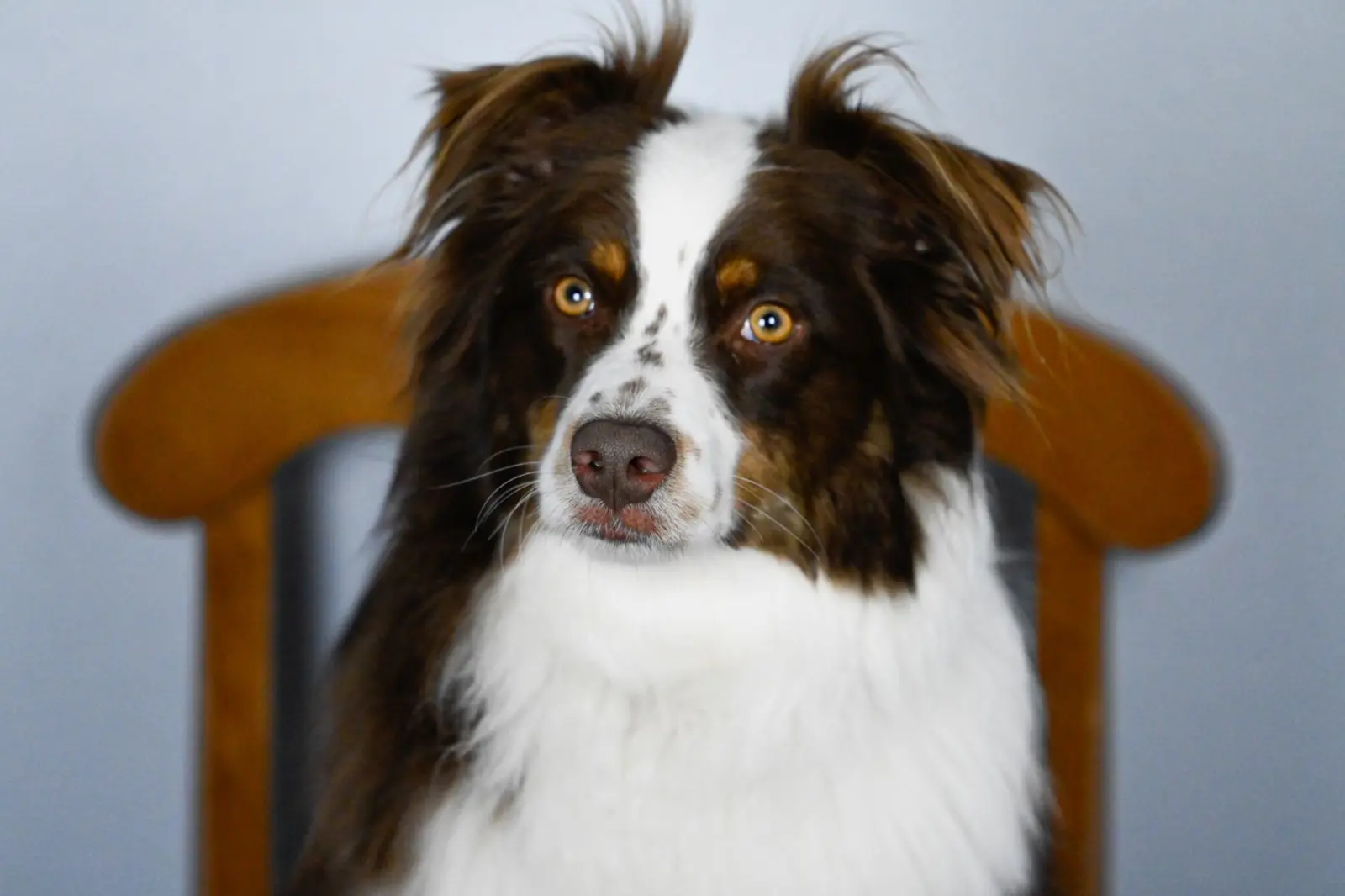
Australian Shepherds have ears that sit somewhere between fully erect and semi-folded, which creates a particular set of conditions worth understanding. After years of working with this breed, I’ve noticed that ear problems don’t arrive randomly – they develop predictably when certain environmental or management factors align. The ear canal itself is relatively long and has a bend in it, which means moisture and debris don’t naturally exit the way they might in a dog with completely upright, open ears.
What strikes me most is how often owners assume their Aussie’s ears are fine because the dog isn’t scratching visibly. Scratching is actually a late-stage indicator. By the time a dog is digging at their ears, infection has usually taken hold. The real work happens much earlier, in the preventive space where you’re managing moisture, wax buildup, and the microbial environment inside the canal.
The breed’s activity level compounds ear management. Australian Shepherds are working dogs bred for herding, and they spend time outdoors in variable weather. They swim, they run through brush, they get rained on. All of this introduces moisture into the ear canal, and moisture is the primary driver of ear problems in this breed. Unlike some other conditions, ear issues in Aussies aren’t usually genetic or breed-predisposed in the way hip dysplasia might be. They’re environmental and behavioral.
Moisture and the Ear Canal Environment
I’ve seen the same pattern repeatedly: a dog gets wet, the owner dries the coat but doesn’t think about the ears, and within a week or two, the ear canal becomes a favorable environment for yeast or bacterial growth. The problem isn’t that the ear got wet once. The problem is that water stays trapped in the canal, and the warm, moist environment becomes self-sustaining.
This is why dogs that swim regularly or live in humid climates tend to have more ear trouble. It’s also why some owners notice their Aussie’s ears smell slightly off during certain seasons. That smell – slightly sweet or musty – is the first real sign that the microbiome inside the ear has shifted. It’s not infection yet, but it’s the condition that leads to infection.
Drying the ears properly after water exposure makes a tangible difference. I’m not talking about elaborate procedures. A simple approach is to gently tilt the dog’s head to each side and use a soft cloth or paper towel to absorb water from the ear canal opening. Some people use a low-heat hair dryer on a cool setting held at a distance, though this requires the dog to be comfortable with the noise. The goal is removing standing water, not sterilizing the ear.
Cleaning: Frequency and Method
Routine ear cleaning is where I see the most confusion. Many owners either clean too aggressively or not at all, and both extremes create problems. Aggressive cleaning can damage the delicate skin lining the canal and disrupt the natural ear flora. No cleaning allows debris and wax to accumulate, which traps moisture and creates an ideal breeding ground for opportunistic organisms.
For a healthy Aussie with no active ear issues, I recommend a gentle cleaning every two to four weeks, more frequently if the dog swims or spends time in wet conditions. A basic approach uses a commercial ear cleaner formulated for dogs – these are typically slightly acidic and help maintain the canal’s natural pH. You apply the solution, let it sit for a minute, and allow the dog to shake their head naturally. This shaking is important; it helps dislodge debris and move the cleaner deeper into the canal.
The actual mechanics matter less than consistency and gentleness. I’ve seen owners use cotton balls, cotton swabs, or specialized ear cleaning pads. The key is never forcing anything deep into the canal. The ear is self-cleaning to a degree; you’re assisting the process, not performing deep excavation. If you’re seeing a lot of dark, crusty debris coming out repeatedly, that’s a sign something else is happening – usually infection or a mite infestation – and that warrants a veterinary visit.
Recognizing When Cleaning Isn’t Enough
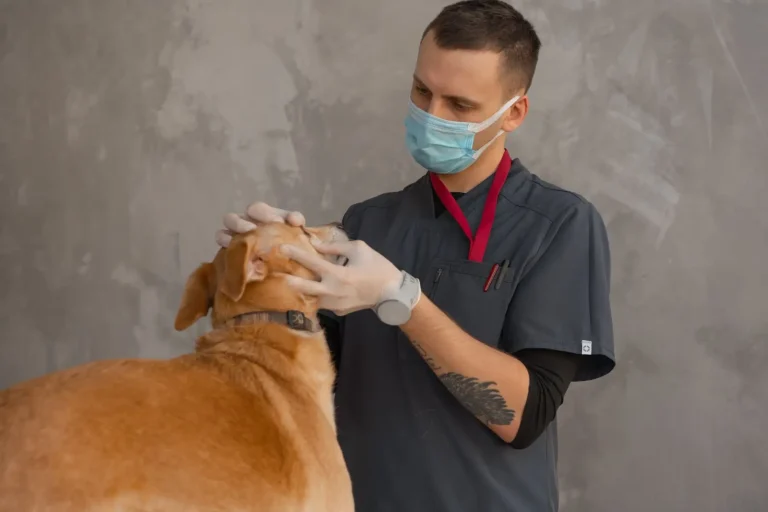
There’s a clear line between normal ear maintenance and treating an actual problem. I can usually tell within the first few minutes of examining an ear whether we’re dealing with maintenance cleaning or infection. Redness inside the ear canal, a strong smell, excessive wax buildup, or discharge that’s thick and discolored all indicate infection rather than simple accumulation.
Yeast infections are the most common issue I encounter in Aussies. They present with a particular smell – almost sweet or bread-like – and the ear canal often looks red and inflamed. The dog may scratch, shake their head frequently, or hold their ear at an odd angle. Bacterial infections tend to produce more purulent discharge and a different odor. Ear mites, less common in adult dogs but possible, cause intense itching and dark, granular debris.
The challenge is that early infection can look subtle. A slightly redder canal than usual, a touch more wax, a hint of smell – these are easy to miss or rationalize as normal variation. This is why regular visual checks matter. Spend a minute each week looking inside your dog’s ears under good light. You’ll quickly learn what normal looks like for your individual dog, and deviations become obvious.
When to Involve Your Veterinarian
I always tell owners that if an ear problem persists beyond a week of careful cleaning, or if it appears suddenly with obvious inflammation or discharge, a veterinary visit is warranted. A vet can examine the eardrum, rule out mites or foreign bodies, and identify whether you’re dealing with yeast, bacteria, or something else. Treatment varies significantly depending on the cause, and guessing usually delays recovery.
Chronic or recurrent ear infections deserve particular attention. If your Aussie has ear problems multiple times per year, something systemic is usually at play – allergies, thyroid issues, or an underlying immune condition. These dogs benefit from more aggressive prevention and sometimes from prescription-strength cleaners or preventive treatments. I’ve seen dogs whose ear problems resolved once their underlying allergy was addressed.
Ear infections can progress quickly if left unmanaged. What starts as mild yeast can become a deep canal infection within days, and untreated deep infections can affect the middle and inner ear, leading to balance problems or permanent hearing loss. This isn’t meant to alarm, but to emphasize that early intervention genuinely matters.
Australian Shepherds thrive with straightforward, consistent ear management. The breed doesn’t require exotic or complicated care. What they need is awareness of how moisture and activity interact with ear health, a simple cleaning routine, and the willingness to notice when something has shifted. Most ear problems in this breed are preventable through basic attention and environmental management. When problems do develop, catching them early makes treatment simpler and outcomes better.