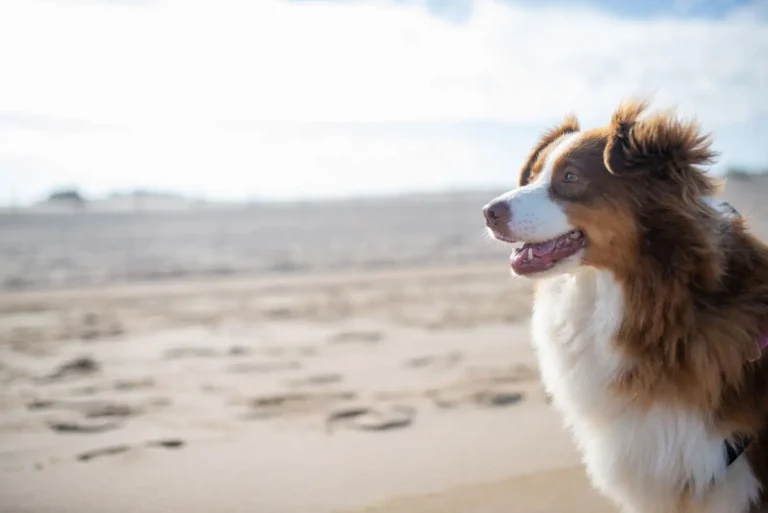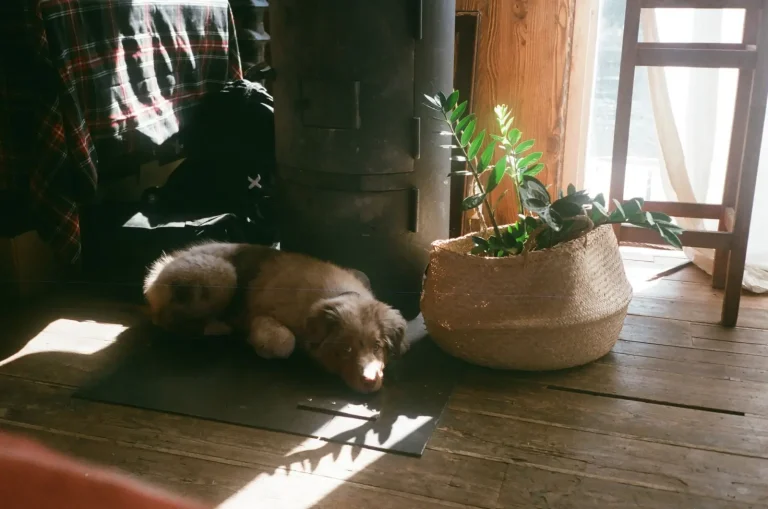

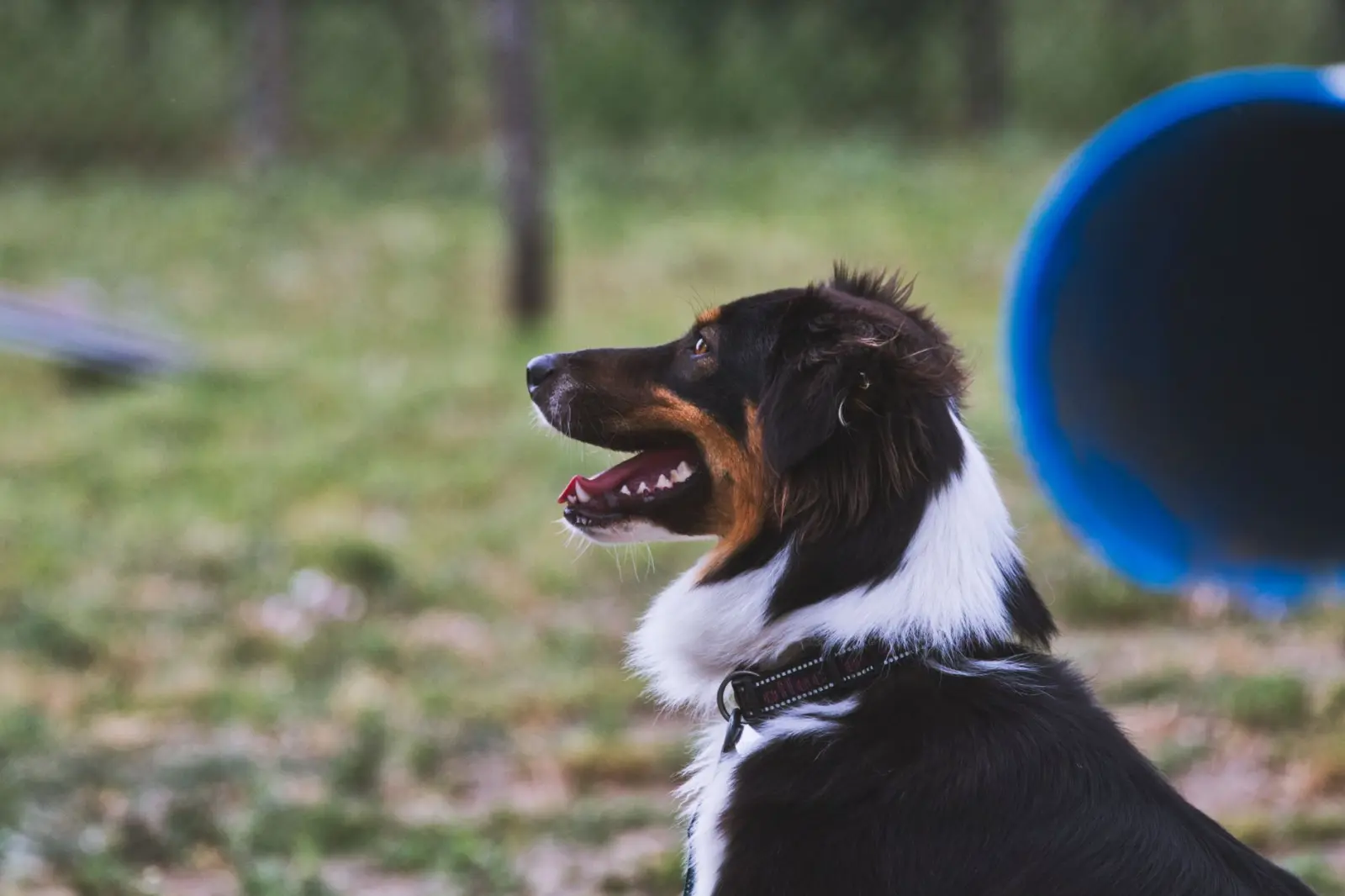
Australian Shepherds are built for work. After years of living with and observing these dogs, I can tell you that understanding their exercise needs means understanding what they were originally bred to do – herd livestock across open terrain for hours at a time. That genetic blueprint doesn’t disappear in a family home, and it shapes everything about how much movement they actually need.
The standard advice you’ll hear is “at least an hour a day,” and that’s not wrong, but it’s incomplete. What matters more than the number is the quality and consistency of that activity. An Australian Shepherd jogging alongside a bike for 45 minutes straight will come home in a different mental state than one who spent an hour doing varied, engaging work – fetch sessions, training, exploring new terrain, problem-solving games. The breed doesn’t just need to burn calories. They need to engage their mind in ways that feel purposeful to them.
I’ve seen what happens when these dogs don’t get adequate exercise, and it’s predictable. Within a few days of reduced activity, you notice changes in behavior. Destructive chewing intensifies. They become reactive on walks. Some develop obsessive behaviors like shadow chasing or constant ball fixation. Others become restless at night, pacing or whining. These aren’t signs of a “bad” dog – they’re signals that the dog’s energy and mental stimulation aren’t being met. The behavior usually resolves quickly once activity levels return to normal.
The Range That Works in Practice
Most adult Australian Shepherds thrive on somewhere between 1.5 and 2 hours of daily activity. That’s not a rigid rule, but it’s what I’ve observed across different dogs, different living situations, and different seasons. A dog living on a property with space to move around and other dogs to interact with might stay balanced on the lower end of that range. A dog in an apartment or suburban home typically needs closer to the upper end, because the owner has to provide what the environment doesn’t.
The type of exercise matters significantly. A structured activity like agility training, herding work, or an obedience class engages these dogs differently than free play or running. Thirty minutes of focused training often satisfies them more than an hour of casual walking. They’re problem-solvers by nature, and when you give them something to figure out – a new command, a puzzle, a scent trail – you’re feeding the part of their brain that actually drives their behavior.
Fetch is deceptively useful with this breed. A 20-minute fetch session in an open space can be equivalent to an hour of leash walking in terms of mental and physical satisfaction. The repetition, the decision-making involved in tracking a moving object, and the self-regulation required to return the item all tap into their working instincts. I’ve watched dogs who seemed chronically restless become noticeably calmer after regular fetch sessions became part of their routine.
Age and Individual Variation
Young Australian Shepherds – puppies through the first 18 months – need exercise, but it has to be managed carefully. Their joints are still developing, and excessive repetitive impact can cause problems later. Shorter, varied activities work better than long runs. A six-month-old puppy might do well with three 20-minute sessions of mixed activity rather than one long exercise period. By two years old, most are ready for the full adult workload.
Senior dogs, typically over seven or eight years old, usually need less total exercise, but the pattern matters. They still benefit from daily activity, but it’s often shorter and at a gentler pace. Many older Australian Shepherds remain mentally sharp and benefit from continued mental engagement even when physical capacity declines. I’ve seen 10-year-old dogs still eager for training sessions and puzzle games, even if they can’t handle a two-hour hike anymore.
Individual temperament plays a role too. Some Australian Shepherds are naturally more intense and driven than others. A dog from working lines often needs more structured activity than one from show lines. A dog with higher prey drive might need more outlet for that instinct than a more laid-back individual. Observing your specific dog over time teaches you where they land on that spectrum.
Weather, Season, and Practical Adjustments
Australian Shepherds handle heat poorly. Their thick double coat was designed for temperature regulation in variable conditions, not sustained heat. In summer, I shift exercise timing to early morning or evening and reduce intensity. A dog that’s comfortable with a midday hike in spring might overheat in the same activity during July. This isn’t about being soft – it’s about preventing heat stress, which can develop quickly in active dogs.
Cold weather is less of a concern for this breed. They were developed in the American Southwest, but their coat gives them solid cold tolerance. Winter exercise can actually be easier to manage because these dogs don’t fatigue as quickly in cooler conditions. That said, snow and ice require attention to paw care, and some dogs develop ice balls between their toes that need regular clearing.
Rainy or muddy conditions don’t stop Australian Shepherds, but they do affect how you manage exercise. A dog who’s spent an hour in wet conditions will need a proper dry-off afterward. Wet coat left unattended can lead to skin issues, especially in the dense undercoat. It’s a practical consideration, not a reason to skip activity, but it shapes how you structure the day.
The Mental Component
What I’ve learned over time is that Australian Shepherds will tell you when they’re not getting enough. The signal isn’t always obvious – it’s not always destructive behavior or hyperactivity. Sometimes it’s subtle: a dog who seems anxious, one who’s overly focused on minor things, or one who’s developed compulsive behaviors. These dogs were bred to work independently and make decisions, and when they don’t have an outlet for that, they create their own problems.
Training sessions count as exercise in the sense that they satisfy mental needs, but they don’t fully replace physical activity. A dog who’s mentally stimulated but physically under-exercised will still show restlessness. Conversely, a dog who’s physically tired but mentally unchallenged might still seem unsettled. The best routine includes both components.
Variety matters more than people realize. The same walk every day becomes routine and loses its mental engagement value. Changing routes, introducing new environments, adding training elements, or switching between different types of activity keeps these dogs engaged. An Australian Shepherd who’s bored with their routine will show it through loss of enthusiasm and increased behavioral issues.
The reality is that Australian Shepherds aren’t dogs for sedentary households. They’re not unsuitable for apartment living, but they require active owners who understand that these dogs need consistent, meaningful engagement. When that need is met, they’re stable, responsive, and genuinely pleasant to live with. When it’s not, problems develop quickly and predictably. The exercise requirement isn’t arbitrary – it’s fundamental to how the breed functions.