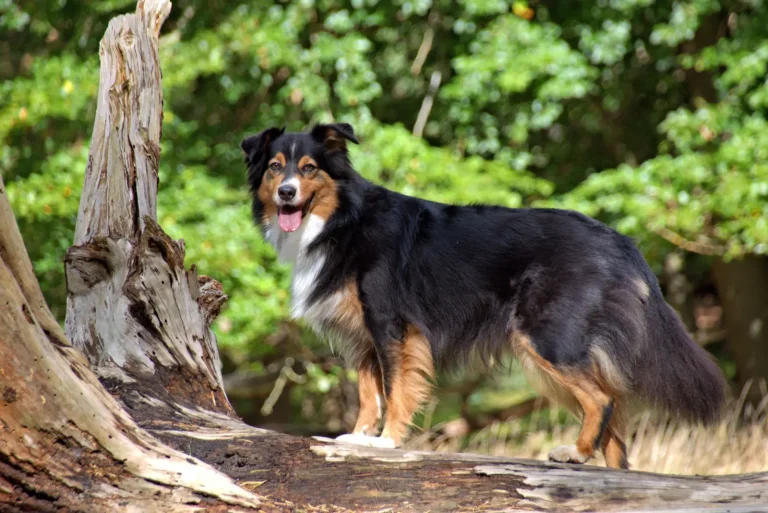

Australian Shepherds are built for work. Their lean, muscular frame and high drive make them look like they should never struggle with weight. Yet in my years working with this breed, I’ve seen obesity become one of the most common health issues I encounter – often in dogs whose owners genuinely believe they’re feeding and exercising them appropriately. The disconnect between what people think is happening and what’s actually happening is usually where the problem lives.
The breed’s intelligence and food motivation create a particular trap. These dogs are eager to please and respond enthusiastically to treats, which makes training rewarding for both dog and owner. But that same responsiveness can mask how much they’re actually consuming across the day. An Australian Shepherd will take every treat offered, every scrap at dinner, every bit of human food without hesitation. They don’t self-regulate the way some breeds do. This isn’t a character flaw – it’s just how they’re wired.
What I’ve noticed most often is that weight creeps up gradually, almost invisibly. An owner will say their dog looks the same as last year, but when you compare photos from two or three years back, the difference is striking. The ribs become harder to feel. The waist disappears. The dog moves differently – less fluid, more deliberate. By the time someone notices enough to mention it, the dog has usually already gained 15 to 25 pounds beyond their healthy weight.
The Activity Paradox
One of the most misleading assumptions I encounter is that an active Australian Shepherd can’t become overweight. The breed’s reputation for high energy and working ability creates a false sense of security. An owner will say, “My dog runs every day,” or “We hike regularly,” and assume that covers their nutritional needs. But activity level and caloric intake are separate equations. A dog that exercises for an hour a day still spends the other 23 hours at rest, and what they eat during those 24 hours is what determines their weight.
I’ve worked with dogs that had genuinely active lifestyles – regular herding work, daily runs, structured training – and were still overweight. The issue was almost always food intake. A working dog might burn an extra 300 to 500 calories on a high-activity day, but if they’re being fed an extra 600 calories daily as a baseline, the activity doesn’t offset it. The math doesn’t work in the dog’s favor.
There’s also a behavioral component. Australian Shepherds that don’t have adequate mental stimulation or a clear job will sometimes eat more as a form of self-soothing or boredom management. I’ve seen dogs whose owners thought they were providing enough activity actually needed more structured purpose – herding practice, advanced training, problem-solving games. When that need went unmet, the dog would seek comfort in food. The solution wasn’t more running; it was more engagement.
Metabolic Changes and Age
Australian Shepherds tend to be relatively stable in their metabolic rate through their prime adult years, but I’ve noticed a shift around age 7 or 8 where weight management becomes noticeably harder. The dog doesn’t need less food dramatically, but they need somewhat less, and owners often don’t adjust portions accordingly. A dog that maintained weight on a certain amount of food at age 5 may need 10 to 15 percent less at age 9, all else being equal.
Spaying and neutering also plays a role, though it’s often overstated. The surgery itself doesn’t cause obesity, but the hormonal changes do reduce caloric needs by roughly 25 to 30 percent. I’ve seen owners keep feeding their newly spayed female the same amount she ate before surgery and watch her gain weight steadily over the following months. The adjustment needs to happen fairly quickly after the procedure.
What Gets Overlooked in Daily Feeding
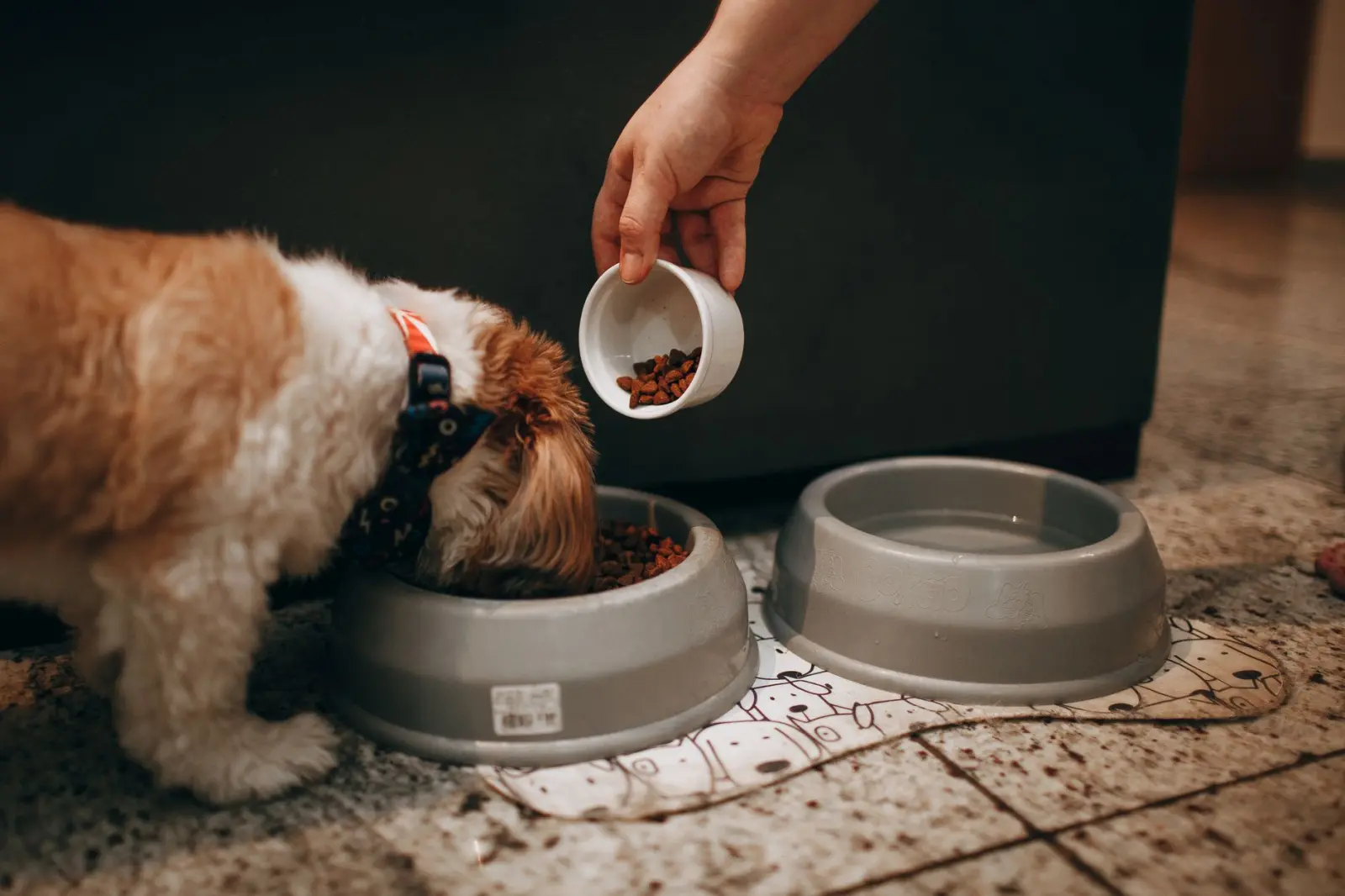
The gap between what owners think they’re feeding and what they’re actually feeding is usually the core issue. I ask owners to write down everything their dog eats for a week, and almost always they underestimate by 20 to 40 percent. They forget to count training treats. They don’t measure kibble – they just scoop. They give the dog a bit of their breakfast, a piece of cheese, a corner of a sandwich. None of these feel significant in isolation, but they add up to hundreds of calories a week.
Treats are the biggest culprit. A single large dog biscuit can be 50 to 80 calories. If a dog gets five or six of those throughout the day as training rewards or just casual snacks, that’s 300 calories from treats alone. Add in their regular meals and suddenly you’re well over their needs. For Australian Shepherds, I typically recommend that treats make up no more than 10 percent of daily calories, and that usually means a significant reduction from what owners are currently doing.
The type of food matters less than the total amount, though I’ve seen some correlation between grain-free diets and weight gain in this breed. I’m not sure if it’s the food itself or whether owners perceive grain-free as “healthier” and therefore feed more of it. Either way, the caloric density is what drives weight, not the ingredient list.
Health Consequences Specific to the Breed
Australian Shepherds are prone to hip dysplasia, and excess weight accelerates and worsens the condition significantly. A dog carrying an extra 20 pounds puts substantially more stress on joints that may already be genetically predisposed to problems. I’ve seen dogs with mild hip dysplasia that remained asymptomatic until weight gain triggered noticeable lameness. Once that happens, exercise becomes painful, activity decreases, and weight becomes even harder to manage.
The breed also has a tendency toward certain eye conditions, and while obesity doesn’t directly cause these, the inflammation and systemic stress that comes with excess weight can exacerbate them. I’ve noticed overweight Australian Shepherds seem to have more general joint stiffness and earlier-onset arthritis than their lean counterparts.
Diabetes is another consideration. While Australian Shepherds aren’t as predisposed to diabetes as some breeds, obesity significantly increases the risk. I’ve seen a few cases where a dog developed diabetes in their early senior years, and weight management became critical to their quality of life and medication needs.
Getting Weight Back to Normal
Weight loss in Australian Shepherds is straightforward in principle but requires consistency that many owners underestimate. The dog needs to eat less – usually 15 to 25 percent fewer calories than they currently are – and that reduction needs to be maintained for months. A dog that needs to lose 15 pounds typically takes 4 to 6 months to do so safely, and that assumes perfect adherence to the calorie reduction.
The challenge isn’t the diet itself; it’s the behavioral adjustment. The dog will be hungry. They will beg. They will seem deprived. Owners often cave because the dog’s behavior makes them uncomfortable. I’ve found that success usually requires the owner to accept that the dog will be hungry for a period and that this is acceptable – the dog’s long-term health matters more than their momentary comfort.
Measuring food precisely is non-negotiable. Eyeballing portions doesn’t work. A kitchen scale and a clear understanding of how many calories the dog should be eating daily is the foundation. From there, the calories need to come from their regular food, not from treats or table scraps. If treats are part of training or bonding, they need to be subtracted from the daily kibble amount, not added on top of it.
Increasing activity helps, but it’s secondary to calorie reduction. A dog losing weight will naturally have less energy anyway, so dramatic increases in exercise aren’t realistic. Consistent, moderate activity is more useful than trying to exercise the weight off. The real work happens in the bowl.
What I’ve learned from working with many overweight Australian Shepherds is that the issue is rarely about the dog. It’s about the owner’s habits, expectations, and willingness to make sustained changes. The breed’s intelligence and responsiveness make them excellent partners in weight management once the owner commits to it. But that commitment needs to be genuine and sustained, because these dogs will happily eat whatever is offered to them, regardless of what they actually need.