

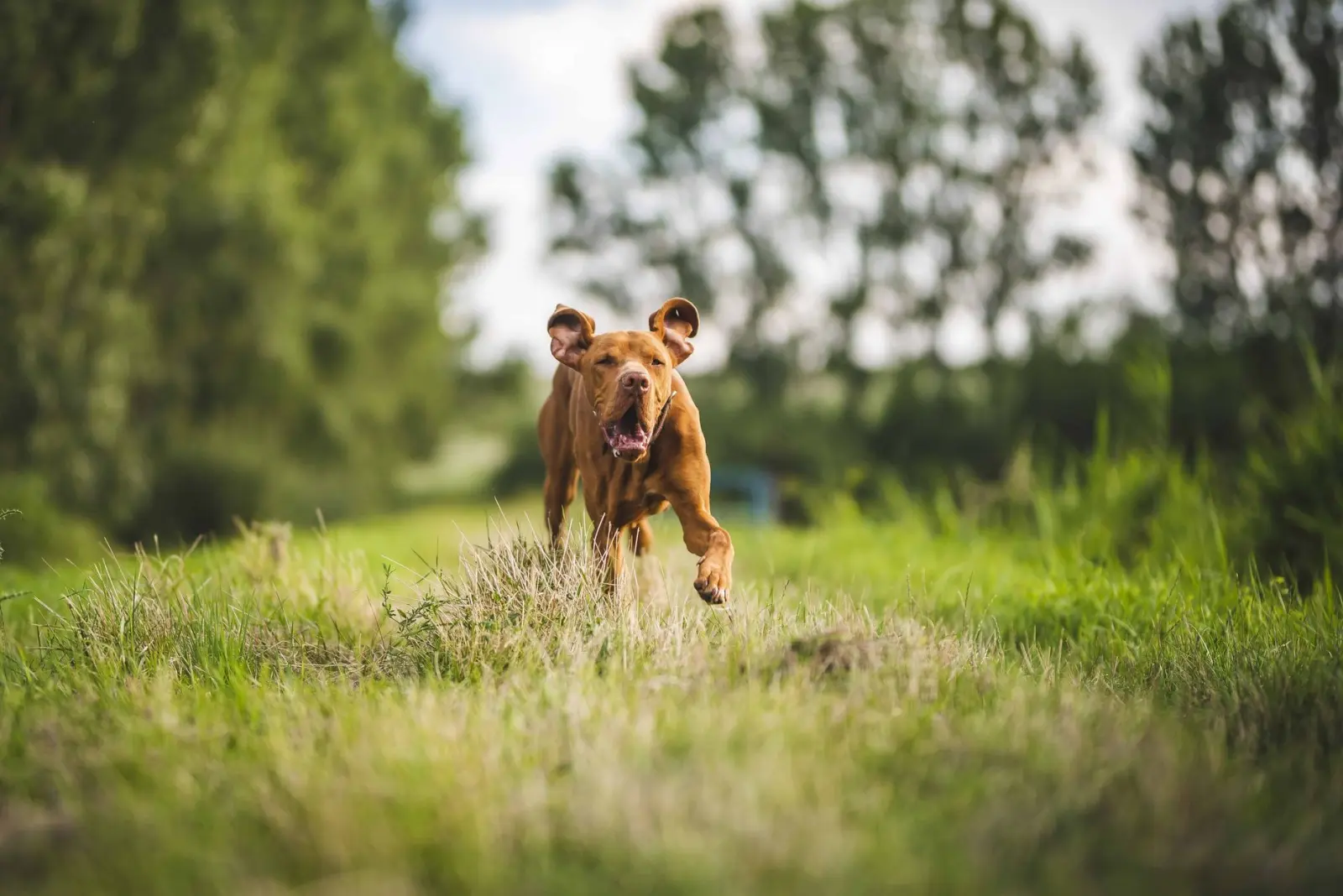
Australian Shepherds are relentless. After years of working with these dogs, I’ve noticed that their appetite and energy output exist in a different category than most breeds. They’re not just active – they’re driven. A dog that spends six hours herding, running, or working on a property operates under completely different nutritional demands than one taking neighborhood walks. The gap between what an Australian Shepherd actually needs and what many owners feed them is often wider than people expect.
The first thing to understand is that activity level isn’t a fixed variable. A young Australian Shepherd living on acreage with regular work burns calories at a rate that casual observers tend to underestimate. I’ve watched dogs that appear lean and fit suddenly lose weight when their routine changed – not because they were underfed before, but because the caloric math shifted. A dog working cattle or sheep all day operates at a metabolic level that’s fundamentally different from one spending most hours indoors. This matters more than breed generalizations.
When you’re feeding an active Australian Shepherd, the baseline calorie requirement starts higher than breed charts typically suggest. A moderately active adult Australian Shepherd might need 1,400 to 1,600 calories per day, but that number climbs quickly with genuine work or intense exercise. A dog with serious daily activity can easily require 2,000 calories or more. The issue I see most often is owners calculating based on weight alone, which misses the reality of what their individual dog actually does. A 50-pound Australian Shepherd that works is not equivalent to a 50-pound Australian Shepherd that doesn’t.
Protein and Fat for Sustained Energy
Active Australian Shepherds benefit from higher protein content than sedentary dogs. I typically look for foods in the 22 to 26 percent protein range for working dogs, though this varies. What matters more than the percentage is whether the protein sources are digestible and appropriate for the dog’s individual metabolism. Some dogs thrive on chicken-based proteins; others do better with beef or fish. The only way to know is observation over time – looking at coat quality, muscle definition, energy levels, and stool consistency.
Fat is equally important and often overlooked. Active dogs need adequate fat for sustained energy and joint health. A food with 15 to 20 percent fat is typical for working Australian Shepherds, though some high-performance dogs do well with slightly higher levels. Fat isn’t the enemy for active dogs; it’s fuel. The difference between a dog that maintains steady energy throughout the day and one that crashes mid-afternoon often comes down to fat content and meal timing rather than total calories.
I’ve noticed that Australian Shepherds fed on lower-quality proteins and fats often require larger volumes of food to maintain condition. This creates its own problems – digestive stress, inconsistent energy, and sometimes behavioral changes tied to blood sugar fluctuations. A dog eating a nutrient-dense food typically maintains better condition on less volume, which also means less waste and more predictable digestion.
Meal Frequency and Timing
How often you feed matters more than most owners realize. A single large meal once daily can work for some dogs, but active Australian Shepherds often benefit from two meals. The practical reason is straightforward: a dog working hard through the day performs better with fuel distributed across the day rather than concentrated in one feeding. I’ve seen dogs with access to two meals maintain steadier energy and better focus than those fed once daily, even when total calories are identical.
Timing around activity is worth considering, though it’s less critical than people sometimes think. Feeding a large meal immediately before intense exercise can cause digestive upset, so spacing meals and activity by an hour or two is reasonable. But the broader pattern – consistent meal times, appropriate portion sizes relative to activity – matters far more than precise timing protocols.
Reading Your Dog’s Condition
The most reliable indicator of whether you’re feeding correctly isn’t a chart or formula. It’s the dog in front of you. An Australian Shepherd in good condition should have visible ribs when you run your hands along the sides, but not ribs that protrude visibly from a distance. The waist should be apparent when viewed from above. Energy levels should be consistent through the day – not hyperactive or sluggish. Coat should be glossy and dense. Stools should be firm and consistent.
When any of these shift, the feeding approach needs adjustment. A dog losing weight despite adequate calories might have a digestive issue, parasite load, or underlying health concern that needs investigation. A dog becoming overweight on what seems like appropriate portions might actually be less active than assumed, or the food might be higher in digestible calories than the label suggests. These aren’t failures of the system; they’re signals that the individual dog’s needs differ from the baseline.
I’ve worked with Australian Shepherds whose metabolism changed with age, season, or life stage. A dog that maintained perfectly on a certain food and portion size at three years old might need adjustment at five or seven. Pregnancy, lactation, and recovery from illness all shift requirements. The feeding approach that works today might need refinement in six months.
Supplements and Whole Foods
Most commercial dog foods formulated for active dogs contain adequate vitamins and minerals, but some owners add whole foods to the diet. This is where observation becomes critical. Adding vegetables, eggs, or lean meat to kibble can improve palatability and nutrient diversity, but it also changes the caloric density and nutritional balance. If you’re supplementing, you’re essentially creating a custom diet, which means you need to account for those additions in your overall portion sizing.
Joint support is something I consider for active Australian Shepherds, particularly as they age. Glucosamine and omega-3 supplementation can support joint health in dogs doing high-impact work, though the evidence is mixed and individual response varies. If you’re adding these, it’s worth monitoring whether they actually make a difference in your dog’s mobility or comfort over several months.
Water intake often gets overlooked in discussions of feeding, but it’s inseparable from nutrition. An active dog needs consistent access to fresh water, particularly during and after work. Dehydration affects digestion, energy, and overall health. I’ve seen dogs that appeared to have feeding issues actually just needed better access to water.
Feeding an active Australian Shepherd isn’t complicated, but it does require paying attention. The dog’s condition, energy, and individual response to food matter more than any general guideline. What works for one active Australian Shepherd might not work for another, even within the same household. The goal isn’t to follow a perfect formula – it’s to match what you’re feeding to what your specific dog actually needs based on what you observe over time.