
Hip dysplasia in Australian Shepherds is one of those conditions that shows up more often than most owners expect when they bring home a puppy. Over years of working with these dogs, I’ve seen it range from barely noticeable to severely limiting. The frustrating part is that it doesn’t always announce itself early. A pup can move normally at six months, then gradually develop a gait change by three or four years old. Other times, the signs are there from the start if you know what to look for.
The core issue is straightforward: the hip joint doesn’t fit together properly. In a normal hip, the ball of the femur sits snugly in the socket of the pelvis. With dysplasia, there’s too much space, too much movement, or the socket is shallow. Australian Shepherds, being a medium-to-large working breed, carry enough weight and drive that poorly formed hips become a real problem over time. The joint wears unevenly. Cartilage degrades. Arthritis follows.
What makes this breed particularly susceptible comes down to genetics and growth rate. Aussies grow fast and they’re built for sustained activity. When the hip structures don’t develop symmetrically during those critical early months, the mismatch becomes permanent. Breeders who don’t screen for this condition pass it along reliably. I’ve seen litters where nearly every dog showed signs by middle age.
How It Actually Presents
The early signs are subtle enough that owners miss them regularly. A dog might be slightly reluctant to jump into a vehicle or climb stairs. They might sit with one hind leg extended rather than tucked underneath. Some develop a bunny-hop gait where both back legs move together instead of alternating. You notice it most after rest or on cold mornings – the dog seems stiff, then loosens up as they move around.
What I’ve observed is that many owners attribute these changes to normal aging or assume the dog is just being lazy. They don’t connect the dots until the dog is visibly uncomfortable or limping. By then, the joint damage is already significant. The earlier you catch the behavioral shifts, the more you can do to manage the condition and slow progression.
Pain expression varies. Some Aussies are stoic and hide discomfort well, especially if they’re working dogs or have strong drive. Others become noticeably irritable, reluctant to engage in activities they once enjoyed, or protective of their hindquarters when touched. A few develop compensatory issues – they put more weight on their front legs, which eventually stresses those joints too.
Diagnosis and What It Reveals
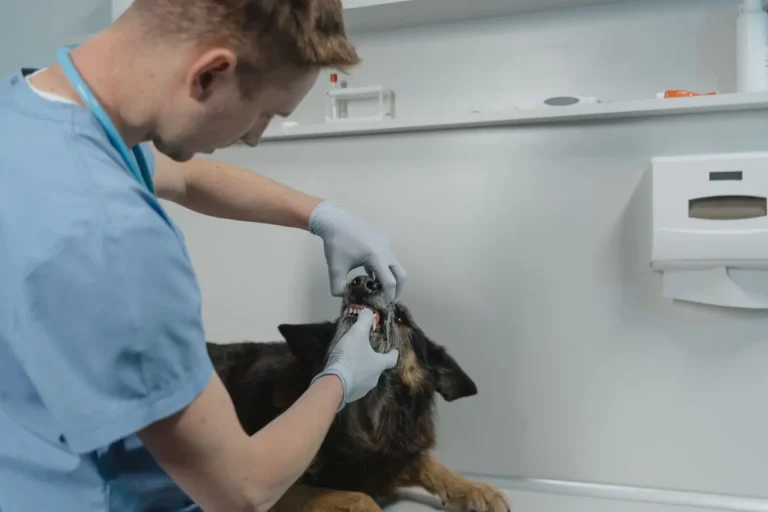
X-rays are the standard tool, and they’re revealing. A vet can see the degree of laxity in the joint, the shape of the socket, and whether arthritis has already begun. The Orthopedic Foundation for Animals (OFA) scoring system grades hips from excellent to severe. Many breeders use this as a screening tool, though not all do.
What’s important to understand is that radiographic findings don’t always match clinical signs. A dog with moderate dysplasia on X-ray might move almost normally, while another with mild dysplasia limps noticeably. Individual pain tolerance, muscle development, weight, and activity level all influence how much a dog is actually affected. This is why you can’t rely solely on imaging to predict how a dog will function.
I’ve also seen cases where owners get X-rays done early – at two or three years old – and find dysplasia they didn’t suspect. The relief is sometimes that at least there’s an explanation for the gait change they’ve been noticing. The concern is what comes next.
Management in Daily Life
Once you know a dog has hip dysplasia, the approach shifts toward slowing progression and maintaining function. Weight management is non-negotiable. Every pound of excess weight increases stress on the joint. An Aussie that should weigh 50 pounds but weighs 60 is carrying 20 percent more load through already compromised hips. I’ve seen dramatic improvement in mobility just from getting dogs to a lean body condition.
Exercise needs careful calibration. These are active dogs with high drive, and they don’t naturally self-limit. A dysplastic Aussie will chase a ball until they’re limping, then keep going if you let them. The trick is consistent, moderate activity rather than intense bursts. Regular walks at a steady pace are better than weekend hiking trips or long fetch sessions. Swimming is excellent because it builds strength without impact stress.
Environmental changes matter too. Slippery floors aggravate hip problems because the dog has to work harder to stabilize. Ramps or steps help avoid the impact of jumping down from furniture or vehicles. Raised food and water bowls reduce strain on the hind legs during eating. These aren’t dramatic interventions, but they add up.
Supplements and medications have their place. Joint supplements containing glucosamine and chondroitin are widely used, though evidence for their effectiveness is mixed. Some dogs seem to respond well; others show no obvious change. Anti-inflammatory medications like NSAIDs can help during flare-ups or periods of increased activity. Prescription pain management becomes necessary for some dogs as arthritis worsens.
Breeding and Prevention
From a breeding perspective, hip dysplasia is preventable through selective screening. Dogs with confirmed dysplasia should not be bred. Even carriers – dogs with mild dysplasia or questionable hips – pass the trait along. Responsible breeders get OFA or PennHIP evaluations before breeding and don’t use dogs with poor scores.
The problem is that not all breeders prioritize this. Hip dysplasia is recessive in some cases and polygenic in others, meaning multiple genes contribute. A dog can look perfectly normal and still carry the genetic predisposition. This is why buying from a breeder who screens parents is the most reliable way to reduce risk, though it doesn’t eliminate it entirely.
If you’re considering an Australian Shepherd, asking about hip scores of both parents is a legitimate question. A responsible breeder will have documentation and be willing to discuss it. If they brush off the question or don’t have screening results, that’s a red flag.
The reality is that hip dysplasia in this breed isn’t going away soon. The genetic pool is large enough that the condition persists even with some breeders selecting against it. What you can do as an owner is manage it well, keep the dog at a healthy weight, monitor for changes, and work with a vet who takes it seriously. Most dysplastic Aussies live full, active lives if caught early and managed consistently.