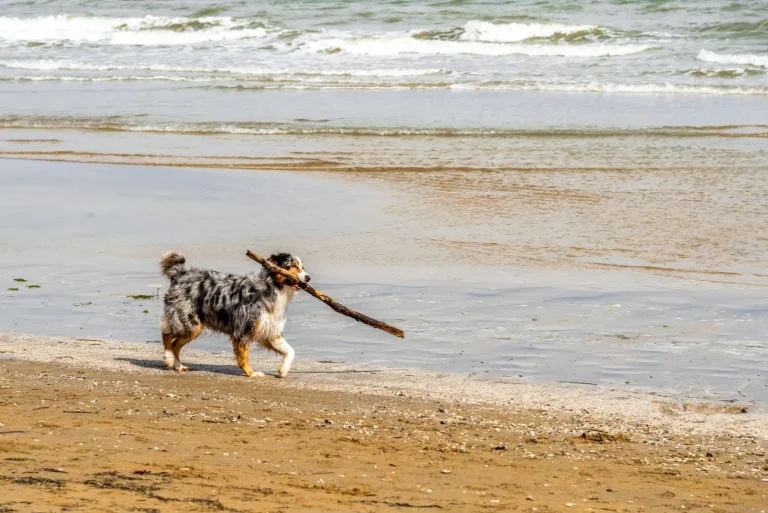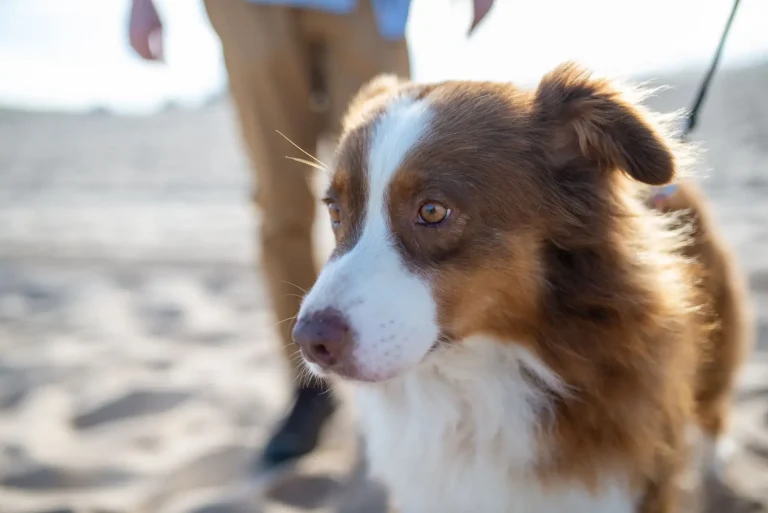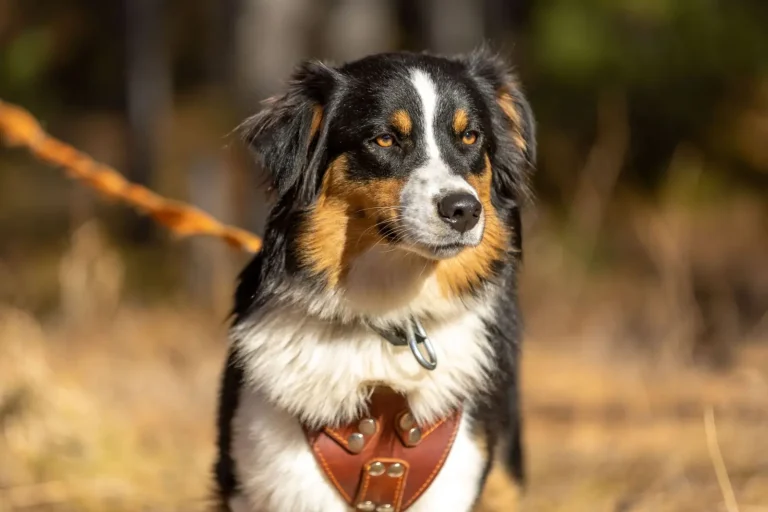

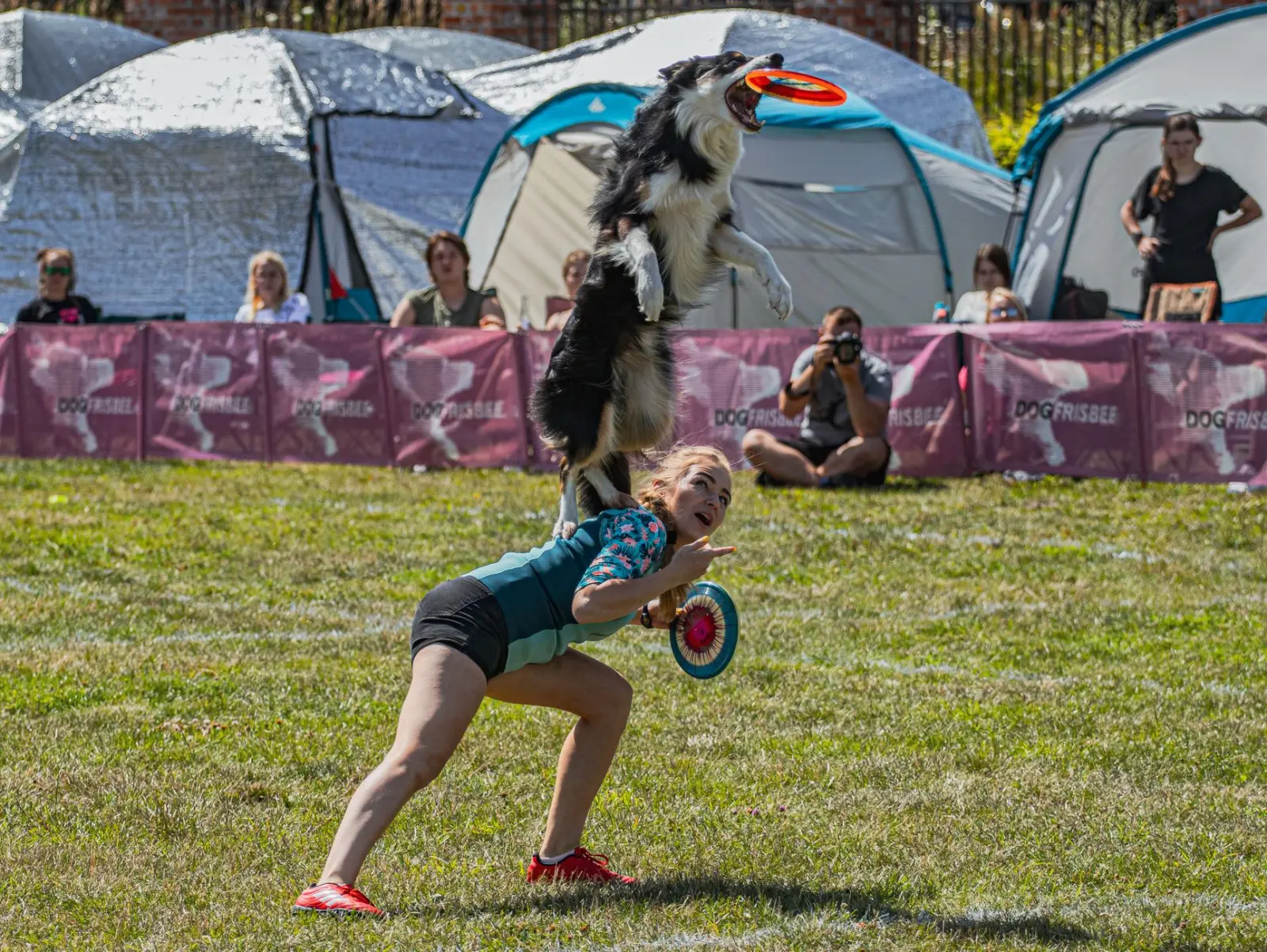
Australian Shepherds arrive at the door with a particular kind of energy. It’s not random excitement – it’s purposeful, driven by genetics that shaped them to move stock and monitor activity. When a visitor crosses your threshold, your Aussie doesn’t see a guest; they see movement, change, and something that requires engagement. I’ve watched this play out hundreds of times, and it rarely looks the way owners expect it to.
The problem most people encounter isn’t that their Aussie is aggressive or even poorly socialized. It’s that the dog’s natural intensity doesn’t match the social script visitors expect. A guest walks in wanting a calm greeting, and instead they’re met with a dog who wants to circle them, jump, bark, or physically herd them toward a specific room. The owner gets embarrassed. The dog gets confused about why this normal behavior suddenly isn’t welcome. And the visitor leaves thinking the dog is untrained.
What’s actually happening is that your Australian Shepherd is doing exactly what they were built to do, just in a domestic context where it doesn’t fit. Understanding this distinction changes how you approach the problem.
Why the Intensity Matters
Australian Shepherds have a working drive that doesn’t switch off just because they live in a house. That herding instinct, combined with their intelligence and need for mental engagement, means they’re constantly reading their environment and looking for something to do. When a visitor arrives, that’s novel stimulation. The dog’s brain lights up. For many Aussies, the response is to engage with that stimulus directly – through movement, vocalization, or physical contact.
I’ve noticed that owners often underestimate how much of this is hardwired versus learned behavior. A young Aussie who jumps on guests isn’t necessarily being reinforced for it; they’re often just following their instinct to engage. But if that behavior gets attention – even negative attention like scolding – it can become part of their greeting routine because interaction is what they wanted in the first place.
The intensity also varies based on the individual dog’s temperament and how much exercise and mental stimulation they’ve had that day. An Aussie who’s been under-stimulated will have more pent-up energy when the doorbell rings. One who’s had a solid morning of work or play tends to be more regulated, though still alert and engaged.
What Doesn’t Work (and Why)
Punishment-based approaches tend to backfire with this breed. If you correct your Aussie for jumping on a guest, you’re not teaching them how to greet appropriately; you’re teaching them that guests are stressful. The dog still has all that engagement energy, but now it’s paired with anxiety about what might happen when someone arrives. I’ve seen this create dogs who bark frantically at the door or who become tense and suspicious of visitors rather than calm.
Isolation also misses the point. Putting your Aussie in another room during visits might reduce the immediate chaos, but it doesn’t address the underlying drive. It also prevents the dog from learning what appropriate greeting behavior looks like in your presence. Some owners do this out of necessity, but it’s a management tool, not a solution.
Generic obedience commands sometimes help, but they’re incomplete. Asking your Aussie to sit when a guest arrives might suppress the jumping for a moment, but it doesn’t channel the dog’s engagement energy productively. The dog is still internally activated, just held in place. That’s not the same as being genuinely calm or settled.
Redirecting Without Suppressing
The most effective approach I’ve seen involves giving your Aussie a specific job during visits. This isn’t complicated, but it requires consistency. Before guests arrive, decide what you want your dog to do. This might be going to a specific spot – a bed, a mat, a crate – and staying there until released. Or it might be fetching a toy and settling with it nearby. The key is that the behavior channels their engagement drive rather than blocking it.
Some owners teach their Aussies to greet guests by bringing them a toy. This gives the dog a way to engage with the visitor’s arrival without jumping or herding. It also gives the visitor something to do with the dog – they can play, throw the toy, or simply acknowledge the offering. The dog gets the interaction they want, and the social dynamic shifts from chaos to participation.
The timing of this redirection matters more than people realize. You need to set up the behavior before the guest arrives, not after. If you wait until the doorbell rings and then try to redirect, you’re competing with the dog’s already-activated state. If you’ve established the routine beforehand – guest arrives, dog goes to mat with a toy – the behavior becomes automatic. Your Aussie still has that engagement energy, but it’s flowing into a channel you’ve created.
Exercise and Mental Load
I’ve noticed a clear pattern: Aussies whose owners maintain consistent daily exercise and mental stimulation have far fewer visitor-related issues. This isn’t because exercise makes them tired in a sedated way. It’s because a dog who’s had adequate outlet for their drive is less desperate to engage with novel stimulation. They can observe a guest’s arrival with interest rather than urgency.
The type of activity matters. A long walk is good, but it’s not the same as a work-oriented activity. Training sessions, fetch games, puzzle toys, or even herding practice if you have access to it – these engage the Aussie’s brain in ways that satisfy their core drive. A dog who’s spent an hour working on obedience or problem-solving is in a different headspace than one who’s only had a walk.
On days when you know visitors are coming, I’d recommend doing something more substantial than usual beforehand. Not to tire the dog out into submission, but to give them a sense of completion. They’ve worked, they’ve engaged, they’ve accomplished something. When the guest arrives, the dog isn’t running on empty and desperate for stimulation.
Reading Individual Variation
Not all Australian Shepherds respond to visitor arrivals the same way. Some are naturally more reserved and need encouragement to engage with guests at all. Others are so driven to interact that they struggle to settle even with good management. Temperament, age, socialization history, and individual personality all play a role.
A younger Aussie who hasn’t had much visitor exposure might be more chaotic simply because they haven’t learned the routine yet. An older dog who’s had years of practice might have a well-established greeting pattern. A dog with a more independent temperament might be easier to redirect than one who’s highly social and wants constant engagement.
The point is to observe your specific dog and adjust accordingly. What works for one Aussie might need modification for another. Some dogs respond well to a designated spot; others do better with an active job like retrieving a toy. Some settle faster if you give them something to chew. Others need a bit of initial interaction with the guest before they can relax.
Over time, you’ll develop a sense of what your dog needs in those moments. That intuition – built on repeated observation – is more valuable than any generic advice. You’re not trying to change your Aussie’s fundamental nature; you’re learning to work with it in a way that fits your home and your visitors’ comfort.