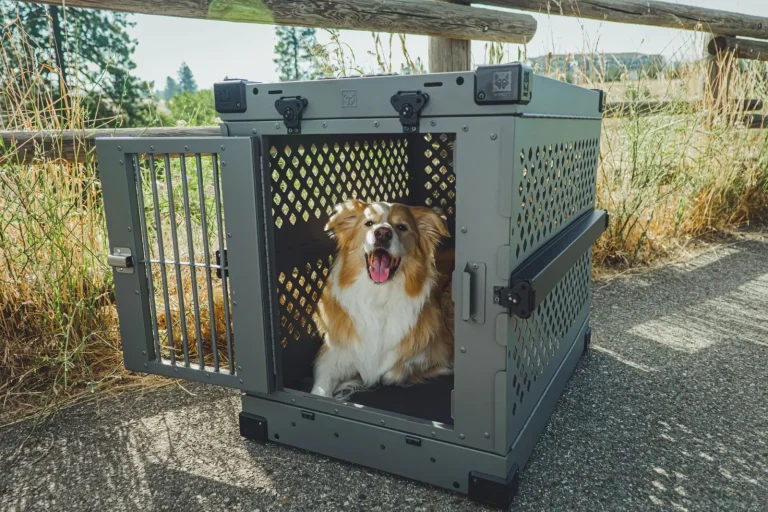

Australian Shepherds bring something distinct to rally obedience. After years of running dogs through rally courses, I’ve noticed that Aussies don’t just perform the exercises – they seem to anticipate them. Their herding background wires them to read movement, respond to subtle shifts in handler position, and stay locked into what you’re doing. This can be an enormous advantage, but it’s also where many handlers run into trouble. The breed’s natural intensity and problem-solving ability create a dynamic that requires a different approach than what works with many other dogs.
The first thing that strikes me about Australian Shepherds in rally is their sensitivity to pressure. These dogs were bred to make decisions on their own while working stock, which means they’re acutely aware of tension, hesitation, and inconsistency in their handler. When an Aussie senses you’re uncertain about what comes next at a station, they’ll often offer their own solution – sometimes by anticipating the next exercise, sometimes by breaking focus entirely. This isn’t disobedience; it’s them trying to solve the problem they perceive you’re having. Understanding this distinction changes how you work with them.
The Energy Question
People often assume Australian Shepherds need to be exhausted before training, and there’s a kernel of truth there, but it’s more nuanced than that. What they actually need is appropriate outlet for their drive. A tired Aussie and a properly engaged Aussie are not the same thing. I’ve seen dogs come to the rally ring completely worn out from a morning run and still struggle because their mind wasn’t engaged. Conversely, I’ve worked with Aussies that had moderate exercise but were mentally focused and performed cleanly through an entire course.
The breed’s herding instinct can manifest in unexpected ways during rally. Some dogs develop a tendency to “work” the handler’s movement – anticipating turns, trying to flank, or positioning themselves based on where they think you’re headed rather than where you actually are. This looks like anticipation, but it’s really their herding background expressing itself. The fix isn’t punishment; it’s clarity. You have to be absolutely consistent about what you’re asking for at each station and what happens between stations. Aussies respect precision.
Building Reliable Sits and Stays
The stationary exercises in rally – sits, downs, and stays – can be deceptively tricky with this breed. Australian Shepherds are built for motion. Sitting still while you walk away or stand beside them goes against their nature. What I’ve found effective is making the stationary work feel like a job with clear parameters, not like you’re asking them to suppress themselves. A sit-stay at a rally station isn’t about restraint; it’s about maintaining position until released. The distinction matters.
Many handlers underestimate how much their own body language influences an Aussie’s performance at these stations. These dogs read you constantly. If you’re standing at a sit-stay station and your weight shifts, your breathing changes, or your eyes move toward the next station, your Aussie will pick it up. They’re not being disobedient when they break; they’re responding to information you’re sending. Developing a neutral, consistent stance during stationary exercises is as important as the dog’s training.
Pace and Handler Movement
Rally obedience requires a particular kind of handler awareness. With Australian Shepherds, this becomes critical. The breed’s natural pace is often faster than what works well in rally. A dog that’s moving too quickly will anticipate turns, overshoot stations, and struggle with the precision that rally demands. But slowing an Aussie down isn’t about holding them back – it’s about teaching them a different rhythm.
I’ve noticed that handlers who struggle most with Aussies in rally are often those who try to control the dog’s speed through tension or restriction. The breed responds better to a clear, consistent pace set by the handler. When you establish a steady speed and stick to it, Australian Shepherds tend to fall into line. They want to know what the job is, and a predictable handler pace communicates that clearly.
Handler position between stations matters more with this breed than with many others. Australian Shepherds are acutely aware of where you are and where you’re going. If you’re sloppy about your footwork or your path through the course, they’ll be sloppy too. They’re not being difficult; they’re following your lead. The precision that makes rally challenging for handlers is exactly what this breed needs to settle and perform well.
Focus and Distraction
One of the genuine strengths Australian Shepherds bring to rally is their ability to focus intensely on their handler. In a trial environment, this is valuable. However, that same intensity can work against them if they’re overstimulated or if the environment is chaotic. Unlike some breeds that can compartmentalize environmental noise, Aussies tend to process everything happening around them.
The key is not to eliminate their awareness but to channel it. Training in varied environments – different locations, different times of day, with different distractions present – helps an Aussie learn to maintain focus despite what’s happening around them. This isn’t about desensitization; it’s about building confidence that the job remains the same regardless of the setting.
I’ve also found that Australian Shepherds benefit from understanding the *why* behind exercises. This sounds abstract, but in practice it means that these dogs perform more reliably when the exercises make sense to them structurally. A dog that understands that a sit-stay means “hold this position until I release you” performs differently than a dog that simply knows it will be rewarded for sitting. The Aussie’s problem-solving nature means they’re always looking for the logic in what you’re asking.
Competition Readiness
Taking an Australian Shepherd into rally competition requires acknowledging that these dogs bring intensity to the ring. Some of that intensity is an asset – their focus, their responsiveness, their willingness to work. The challenge is channeling it without dampening it. A dog that’s too controlled or too suppressed will perform flatly. An Aussie that’s appropriately engaged will shine.
The transition from practice to competition is often where Australian Shepherds show their real character. In training, many handlers can get away with inconsistency because the dog knows the routine. In the ring, that inconsistency becomes apparent. Aussies that have been trained with precision and consistency tend to handle the trial environment better because there’s nothing new about the expectation – just a different location.
What I’ve learned over time is that Australian Shepherds in rally aren’t a puzzle to solve so much as a partnership to understand. These dogs have clear preferences, strong instincts, and genuine intelligence. They respond to handlers who respect those qualities and build training around them rather than against them. When that alignment happens, they’re genuinely impressive in the ring.