

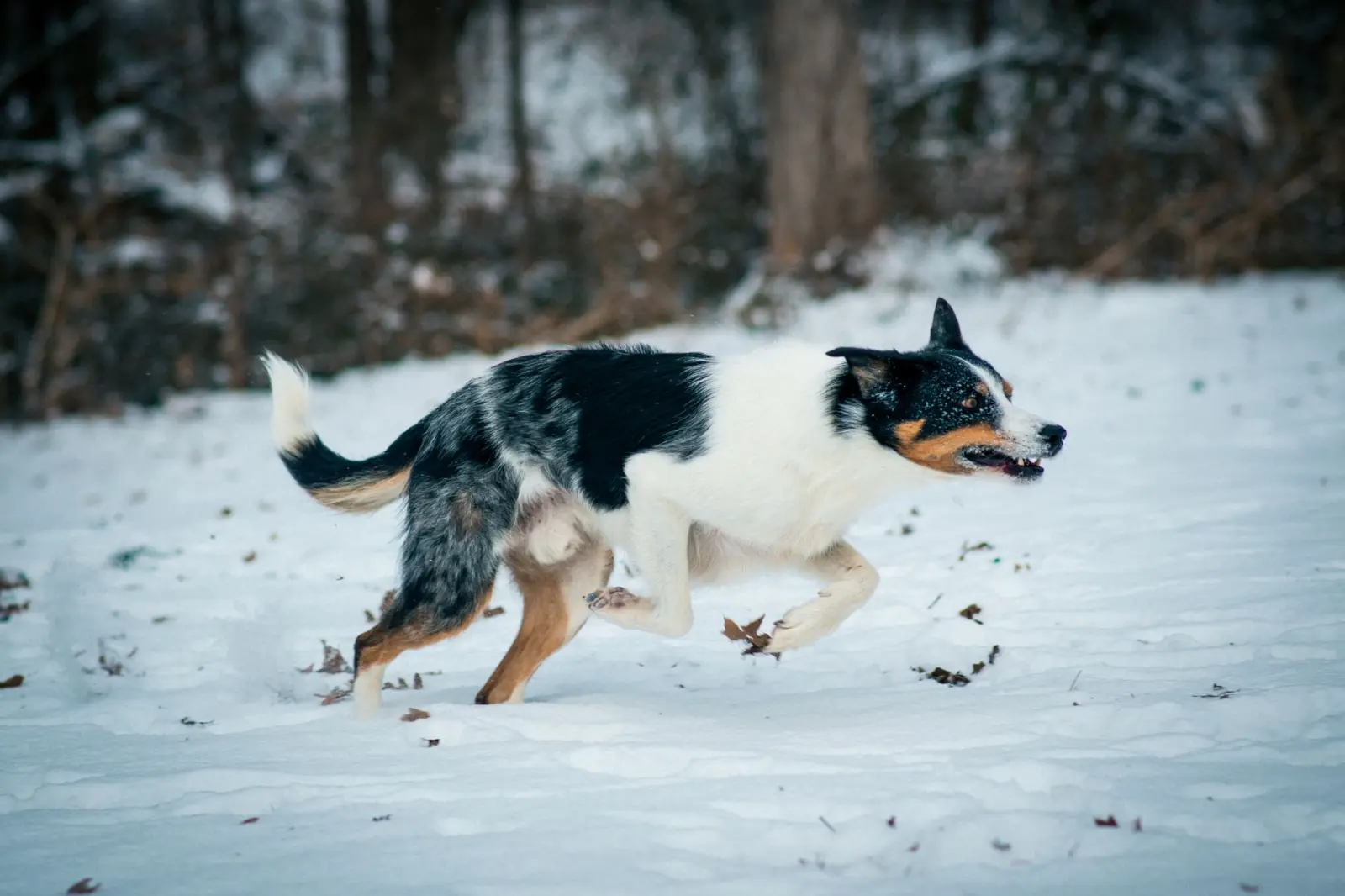
Australian Shepherds are working dogs bred to move stock across rough terrain for hours without complaint. That heritage runs deep in their temperament. They don’t vocalize pain the way some breeds do, and they certainly don’t stop moving just because something hurts. This makes them particularly difficult to read when they’re uncomfortable, and it’s something I’ve seen trip up even experienced owners.
Over years of working with these dogs, I’ve learned that pain in an Australian Shepherd often announces itself through behavioral shifts rather than obvious lameness or whining. The dog that was reliably eager for a morning run suddenly hesitates at the door. The one that jumped onto the couch without thinking twice now takes the long way around. These aren’t dramatic changes, which is exactly why they get missed.
The first place I look is movement quality during routine activities. A dog in pain often moves differently when they think no one is watching. They may walk stiffly after rest, then loosen up once warmed up – this pattern is common with joint issues or muscle soreness. Watch how your dog rises from lying down. Do they push off with their hind legs evenly, or does one side seem reluctant? Do they stand and stretch before moving, or do they just get up and go? Pain often makes dogs more deliberate about transitions.
Gait Changes and Posture Shifts
Australian Shepherds typically move with confidence and fluidity. When that changes, it’s worth paying attention. Some dogs develop a shortened stride on one side, or they may shift their weight to favor a particular leg without actually limping visibly. I’ve seen dogs carry their tail differently when they’re sore – held lower, or tucked more tightly than usual. The ears may flatten slightly more than normal, not in fear but in a kind of resigned discomfort.
Posture tells a story too. A dog in chronic pain often stands with their back slightly hunched or their hindquarters tucked under them more than usual. They may stand with their front legs stretched out in front, almost like a play bow, because it relieves pressure on their lower back. Some dogs stand with their weight shifted forward onto their front legs, which can indicate rear leg or hip discomfort. These postural adjustments happen gradually, so they’re easy to normalize over time.
Activity and Interest Patterns
Australian Shepherds are naturally driven dogs. They want to work, chase, explore. When pain sets in, that drive doesn’t disappear, but the execution changes. A dog might start a run enthusiastically and then quit halfway through, which is unusual for the breed. They may show interest in activities but hesitate before committing – standing at the edge of the water before swimming, or pausing before jumping into the truck.
Rest behavior shifts noticeably too. Dogs in pain often seek out harder surfaces to lie on rather than soft bedding, or they may avoid certain resting positions altogether. I’ve seen dogs refuse to lie on one side, always favoring the other. Some become restless at night, unable to find a comfortable position, getting up and down repeatedly. Others sleep more than usual, which can signal either pain or the exhaustion that comes from compensating for it.
Appetite and bathroom habits deserve attention as well. Pain doesn’t always cause loss of appetite, but some dogs eat less or eat more slowly when they’re uncomfortable. Straining during defecation or reluctance to squat can point to abdominal pain or rear leg soreness. Excessive drinking or changes in urination patterns sometimes accompany pain, though they can also indicate other issues entirely.
Behavioral Responses and Temperament
Pain changes personality. A typically social dog may become withdrawn or irritable. They might snap or growl when touched in certain areas, or they may simply move away when you try to pet them – not because they don’t want affection, but because contact hurts. Some dogs become clingy and anxious, following you constantly or seeking reassurance more than usual. Others do the opposite and isolate themselves.
Sensitivity to touch is one of the clearest signals. A dog that normally enjoys full-body petting may flinch when you touch their hindquarters, their spine, or their joints. Sometimes the reaction is obvious – a yelp or quick movement away. Other times it’s subtle: a slight tensing, ears pinning back, or a quick glance toward the area you touched. Run your hands along your dog’s body regularly when they’re healthy so you know what normal feels like. When something changes, you’ll notice it.
Behavioral regression can also happen. A housetrained dog may have accidents. A dog that was reliable off-leash may start bolting or refusing to return. These changes often stem from anxiety or the physical difficulty of maintaining previously normal behavior. A dog that’s sore may not be able to hold their bladder as long, or they may panic about being unable to move quickly if needed.
When to Seek Veterinary Attention
The challenge with Australian Shepherds is that they’ll often push through pain rather than stop. A dog that’s limping visibly is already significantly uncomfortable. By the time lameness is obvious, you’ve likely missed several weeks of subtle signals. This is why paying attention to the small changes matters.
Acute changes – sudden onset of limping, yelping when moving, or obvious swelling – warrant a veterinary visit quickly. Gradual changes that develop over weeks are trickier to evaluate, but they’re worth documenting. Keep notes on what you observe: which leg seems affected, when the behavior started, whether it’s worse in certain conditions like cold weather or after exercise. This information helps your veterinarian narrow down possibilities.
Australian Shepherds age well and can work into their senior years, but joint issues, arthritis, and muscle soreness become more common as they get older. What looked like normal aging slowdown might actually be pain that’s manageable with proper care. The earlier you catch it, the more options you have for managing it effectively.
Living with an Australian Shepherd means learning to read the subtle language they use. They’re not designed to complain, so the responsibility falls on us to notice when something shifts. It’s the difference between catching a problem early and letting it progress to the point where it significantly impacts their quality of life.