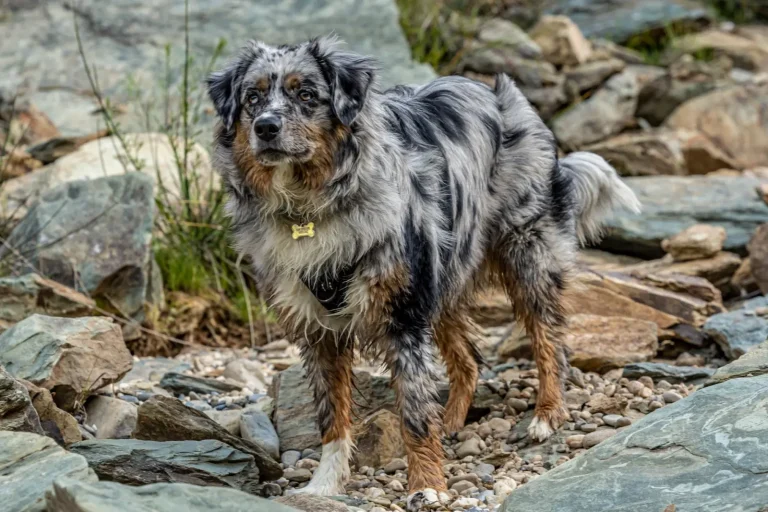

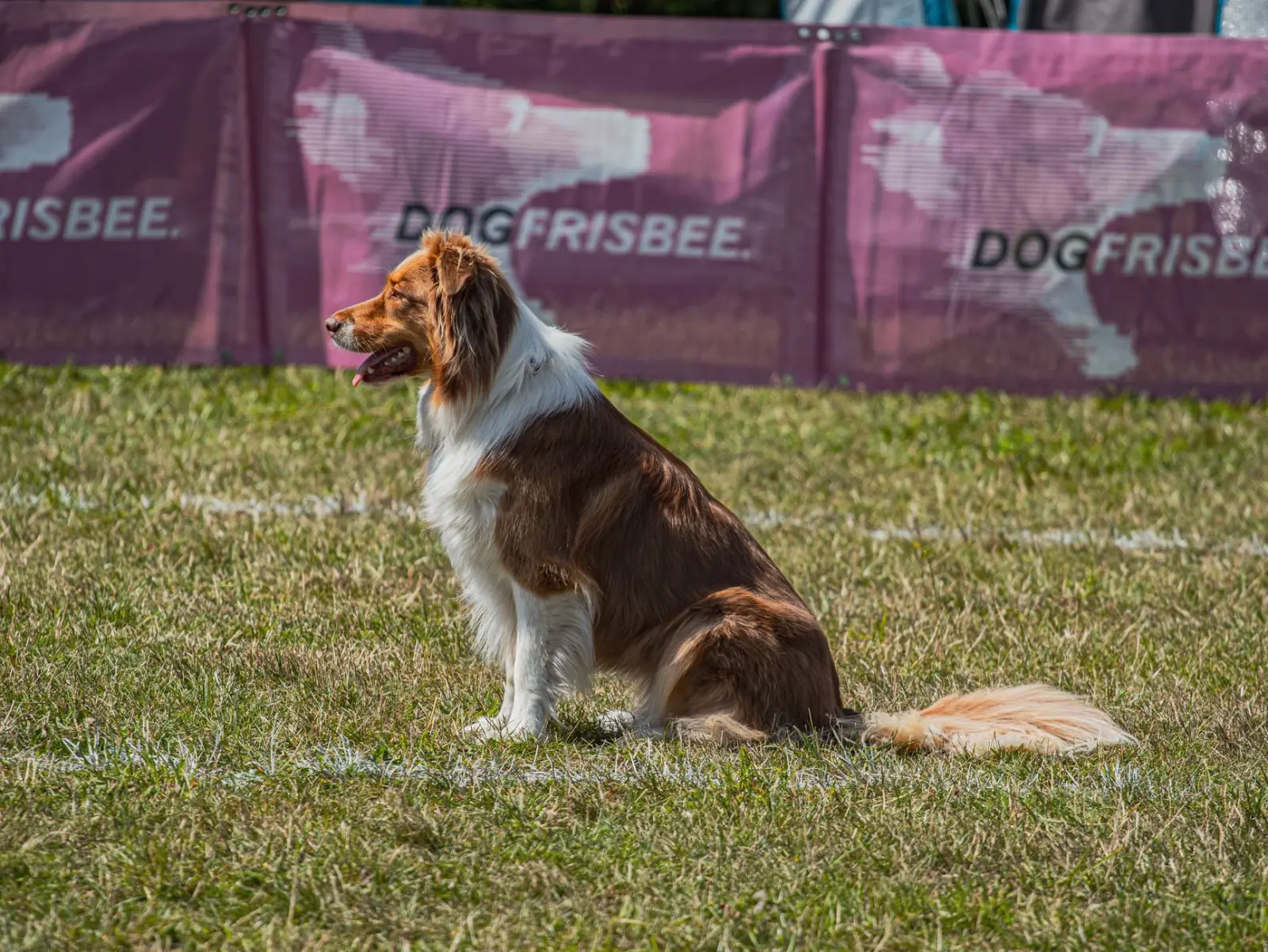
After years of working with Australian Shepherds, I can tell you that owning one is fundamentally different from owning most other dog breeds. The gap between what people expect and what they actually get is substantial. These dogs arrive with a specific kind of intelligence and drive that shapes nearly every aspect of daily life, and if you’re not prepared for that, the relationship becomes strained quickly.
The first thing that strikes most new owners is the relentless mental engagement these dogs demand. An Australian Shepherd doesn’t simply want exercise – it wants purpose. A two-hour hike might satisfy a Labrador for the day, but an Aussie will come home, settle for twenty minutes, and then start looking for something to do. This isn’t boredom in the traditional sense. It’s a working dog’s baseline state. They were bred to move livestock across rough terrain for hours, making constant decisions about where to go and what to do. That neural wiring doesn’t switch off because you’ve thrown a ball around a park.
The behavioral consequences of under-stimulation are real and specific. You don’t get a lazy, couch-bound dog. You get a dog that herds the cat, nips at children’s heels, obsesses over shadows on walls, or develops fixations on repetitive behaviors. Some Aussies become obsessed with chasing light reflections or their own tails. Others develop intense focus on one family member and become anxious when separated. These aren’t signs of a bad dog or poor breeding – they’re signs of a dog whose brain isn’t being used the way it was designed to be used.
The Energy Paradox
What confuses many owners is that physical exercise alone doesn’t solve the problem. I’ve seen people run their Aussies for an hour and still end up with a wired, restless dog. The issue is that these dogs need mental work more than they need miles. Training sessions, puzzle toys, scent work, herding trials, agility, or even structured play with rules and boundaries – these tire an Australian Shepherd far more effectively than simple running.
This is where the breed becomes either deeply rewarding or genuinely difficult, depending on what you’re willing to invest. If you enjoy training, problem-solving, and structured activities, an Aussie becomes a partner in that work. If you’re looking for a dog that’s content with a daily walk and casual interaction, you’re fighting against the breed’s nature every single day.
The physical exercise requirement is real, but it’s secondary to the mental piece. A healthy adult Aussie typically needs somewhere between 60 and 90 minutes of intentional activity daily. That’s not a walk around the neighborhood – that’s active engagement. In winter or bad weather, this becomes logistically challenging, and many owners discover that their dog’s behavior deteriorates not because of physical deconditioning but because the mental stimulation drops off.
Trainability and Its Complications
Australian Shepherds are genuinely easy to train in the technical sense. They learn commands quickly, retain information reliably, and respond well to structure. This is often cited as a major advantage of the breed. What gets overlooked is that this same intelligence and responsiveness means they learn everything – including bad habits, inconsistency, and mixed signals.
These dogs are extremely sensitive to household dynamics and emotional tone. If training is inconsistent, if rules change, or if there’s tension in the home, an Aussie picks up on it and reflects it back. I’ve worked with dogs that developed anxiety or reactivity not because of a single traumatic event but because they lived in an environment where expectations shifted unpredictably. They’re not forgiving of chaos in the way some breeds are.
This sensitivity extends to handling and physical interaction. Many Aussies don’t enjoy being grabbed, petted roughly, or handled in ways they haven’t been conditioned to accept. They’re not aggressive about it, but they’ll stiffen, move away, or show clear discomfort. Families with young children sometimes struggle with this because children naturally want to pet and hold dogs, and an Aussie’s response can feel like rejection when it’s actually just a preference for controlled, predictable interaction.
Social Behavior and Boundaries
The herding instinct manifests in ways that catch people off guard. Yes, some Aussies herd livestock if given the opportunity. But many display herding behavior toward people – circling, nipping at heels, or trying to control the movement of family members. This is especially common in adolescent dogs and can be genuinely dangerous around small children or elderly people who might fall.
Socialization helps, but it doesn’t eliminate the behavior. What it does is make the dog more discriminate about when and how the herding impulse emerges. A well-socialized Aussie might still try to herd during play or excitement, but it’s less likely to do so with guests or in situations where it’s clearly inappropriate.
These dogs are also selective about their social circle in ways that can surprise owners. Many Aussies bond intensely with their family and are polite but reserved with strangers. They’re not typically aggressive, but they’re not the dogs that greet everyone with enthusiasm either. If you’re expecting a social butterfly that loves meeting new people, you may end up with a dog that tolerates social situations but doesn’t particularly enjoy them.
Health and Longevity Considerations
Australian Shepherds tend to be healthy, long-lived dogs. Many live well into their early teens with relatively few major health issues, especially if they come from responsible breeding. That said, certain conditions show up more frequently in the breed than in the general dog population. Hip dysplasia, various eye conditions, and epilepsy occur with enough regularity that it’s worth discussing screening and genetic history with any breeder.
The breed’s high energy and athleticism mean that injuries are a consideration. Torn ligaments, joint problems, and spinal issues can develop, particularly in dogs that are pushed hard athletically or that don’t have adequate conditioning. A dog that’s asked to do agility or herding work without proper physical preparation is at higher risk than one with a more moderate activity level.
Preventive care matters more with this breed than with some others. Regular exercise that builds and maintains muscle, appropriate nutrition, and attention to joint health in the early years can prevent or delay problems that might otherwise emerge. Many owners find that consistency in care and activity level pays dividends as the dog ages.
Living with an Australian Shepherd is ultimately about accepting that you’re sharing your life with a dog that has specific needs and specific ways of being. They’re not difficult dogs in the sense of being stubborn or aggressive, but they are demanding in their need for engagement and structure. If that matches your lifestyle and temperament, the relationship can be deeply satisfying. If you’re hoping for a dog that fits into your life as it currently exists, an Aussie will likely push back against that arrangement consistently. The breed doesn’t adapt to a passive lifestyle – it asks you to adapt to its nature.