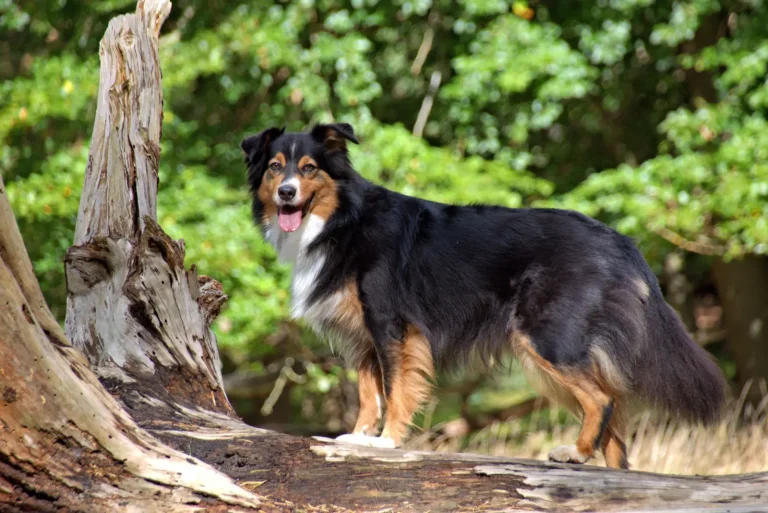

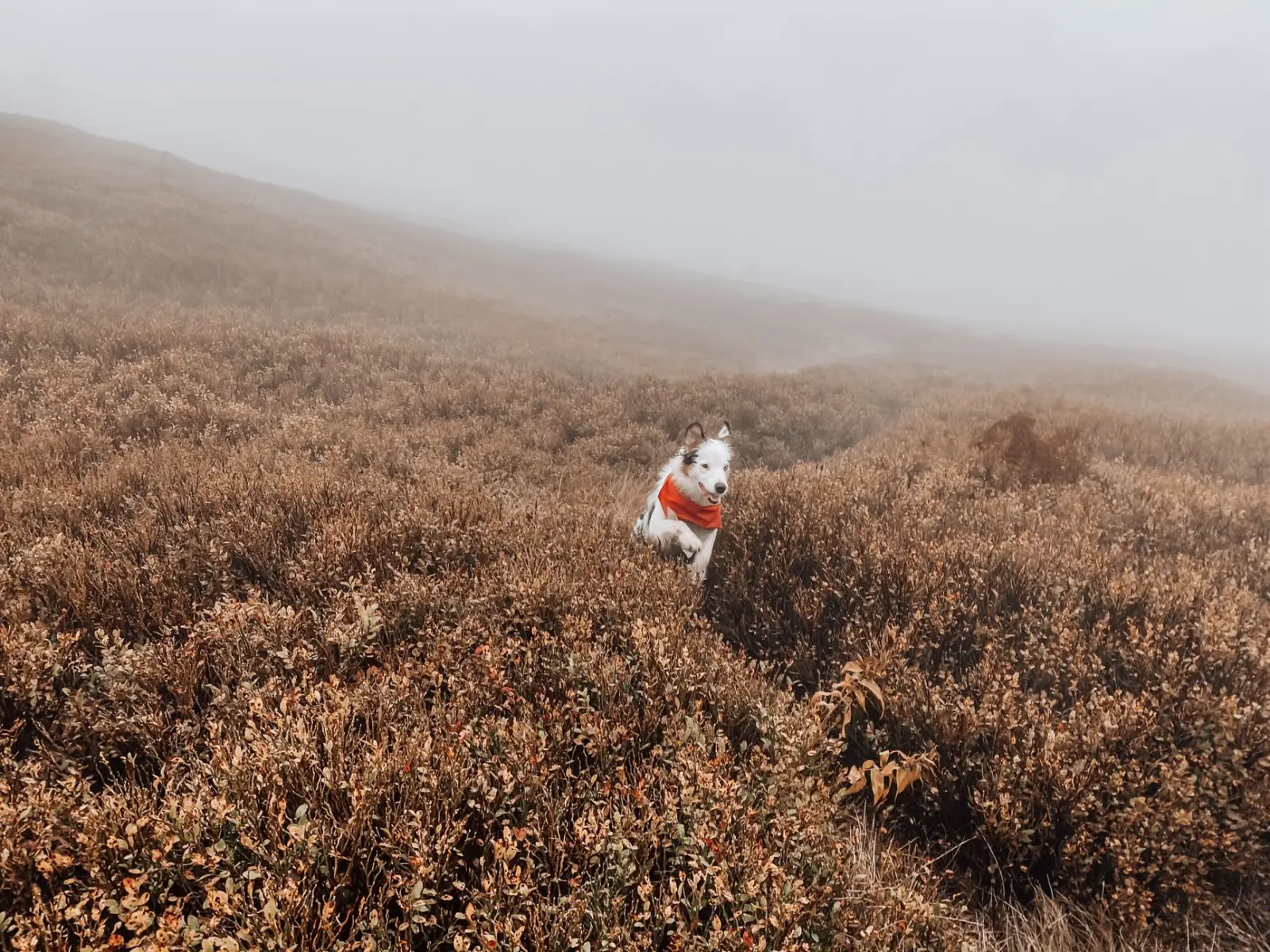
Australian Shepherds are built for work. Their structure – lean, muscular, with a low center of gravity – makes them exceptional at herding, agility, and endurance tasks. But that same design creates a particular vulnerability. The breed’s intensity, combined with their willingness to push through discomfort, often masks early joint problems until they become noticeable. Over many years of working with these dogs, I’ve seen a clear pattern: the ones who develop significant joint issues are rarely the ones who were overworked in obvious ways. The damage usually comes from subtler sources.
Joint stress in Australian Shepherds accumulates through repetitive, uncontrolled movement rather than occasional intense activity. A dog who sprints hard twice a week and rests the other days typically handles it well. The problem emerges when a young Aussie is allowed constant, unsupervised play – jumping on and off furniture, rough-housing with other dogs, or running on hard surfaces multiple times daily. The repetition, not the intensity, wears the cartilage. And because these dogs are so driven and pain-tolerant, they keep moving even when their joints are beginning to degrade.
Early Signs That Are Easy to Overlook
Most owners notice limping or reluctance to jump only after significant damage has occurred. The earlier indicators are much quieter. A slight stiffness after rest – particularly in the morning or after a nap – is one of the first things I look for. An Aussie might take a few steps that seem slightly off before settling into normal movement. This often gets dismissed as “just waking up,” but it’s frequently the joint’s way of signaling that cartilage is beginning to thin or that inflammation is present.
Another pattern I see regularly is a shift in how the dog carries weight. An Australian Shepherd might favor one hind leg slightly without actually limping. The owner notices the dog sits at a slight angle, or shifts weight when standing still. Some dogs begin to avoid certain movements – they’ll climb stairs normally but hesitate before jumping down, or they’ll run enthusiastically but seem reluctant to change direction sharply. These aren’t dramatic changes. They’re the kind of thing you notice only if you’re watching the same dog every day and you know what normal looks like for that individual.
Behavioral changes can also point to joint discomfort. Some Australian Shepherds become less interested in play, which is easy to attribute to maturity or changing preferences. Others become more reactive or anxious, particularly in situations where they need to move unpredictably or on unstable surfaces. A dog who was confident navigating rough terrain might suddenly seem hesitant. This isn’t fear – it’s often joint pain creating uncertainty about whether their legs will respond as expected.
The Role of Growth Rate and Early Structure
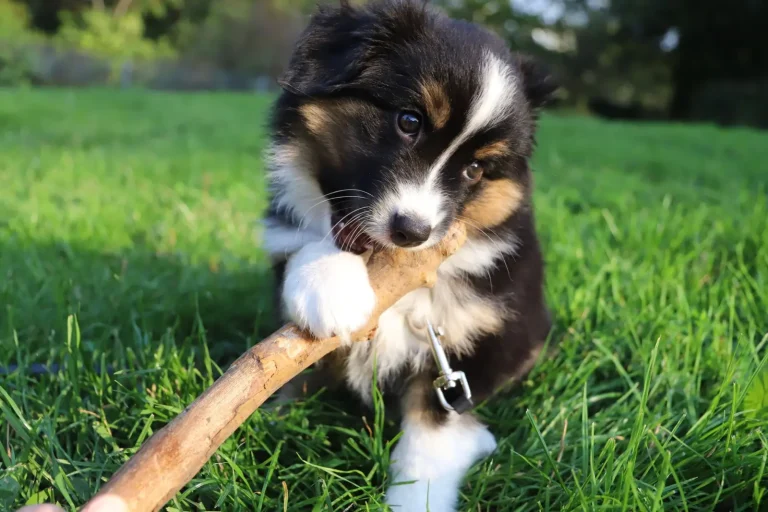
Australian Shepherds grow quickly, and that rapid development is where some of the vulnerability begins. Large-breed puppies whose bones and joints are still ossifying need protection from high-impact activity, yet these are exactly the dogs whose temperament drives them toward constant motion. A four-month-old Aussie puppy has the energy and coordination of a young athlete, but their growth plates won’t fully close until around 12 to 14 months. Jumping, hard running on pavement, and repetitive directional changes during this window can cause subtle damage that doesn’t manifest as obvious lameness until the dog is older.
I’ve noticed that dogs from lines with larger frames or heavier bone tend to show joint issues earlier than more moderate-sized individuals. This isn’t universal, but the correlation is real. A 65-pound Australian Shepherd carries more load through each joint than a 50-pound one, and that difference compounds over years of activity. Genetics also plays a role – some families within the breed simply have more predisposition to joint degradation. Without genetic testing or detailed pedigree knowledge, it’s impossible to know where a puppy falls on that spectrum, but it’s worth asking breeders about joint health in the parents and grandparents.
What Actually Helps
The most effective approach I’ve seen is controlled activity during the growth phase and sustained, moderate exercise throughout adulthood. This means limiting jumping and hard running for puppies under 12 months, even though they’re desperate to do these things. It means avoiding repetitive high-impact play – fetch on hard surfaces, for example – in favor of varied movement. Swimming and walking are exceptional for Australian Shepherds because they build strength and endurance without the joint trauma of jumping or sharp directional changes.
Weight management matters significantly. An Australian Shepherd at a healthy weight carries considerably less stress through their joints than one who is even slightly overweight. The difference between a dog at 50 pounds and one at 55 pounds might seem minor, but over years it accumulates. These are food-motivated dogs, and owners often overfeed them or give too many treats without realizing the impact.
Supplementation is where I see the most confusion. Glucosamine and chondroitin are widely recommended, and there’s enough evidence that they can help slow progression of existing joint degradation, though the effect is modest. Omega-3 fatty acids have clearer anti-inflammatory benefits and seem worth including, particularly as dogs age. Joint supplements are not preventative in the way people often hope – they won’t stop joint problems from developing in a dog doing too much high-impact activity. But for a dog with early signs of wear, they can slow progression and may reduce discomfort.
Maintaining muscle mass is underrated. A dog with strong supporting muscles around the joints experiences less stress on the cartilage itself. This is why consistent, moderate exercise throughout a dog’s life is more protective than sporadic intense activity. An Australian Shepherd who walks regularly, swims occasionally, and does controlled play maintains better joint health than one who is sedentary most of the time and then taken on occasional long hikes or intense training sessions.
When to Intervene More Directly
If stiffness or reluctance to move becomes noticeable, a veterinary assessment is worth doing early rather than waiting. X-rays can reveal cartilage thinning or early arthritis that isn’t yet causing obvious lameness. Knowing the actual state of the joints allows for more informed decisions about activity level and treatment. Some dogs benefit from prescription anti-inflammatory medications, particularly during flare-ups. Others do well with physical therapy or controlled exercise protocols designed specifically for their joint status.
I’ve also seen significant improvement in dogs with established joint problems when owners commit to consistent, low-impact exercise combined with weight management and supplementation. The goal isn’t to reverse damage – that’s not realistic – but to slow progression and maintain the dog’s quality of life. An Australian Shepherd with moderate arthritis can still live a full, active life if the approach is thoughtful.
The reality with Australian Shepherd joints is that some degree of wear is nearly inevitable given the breed’s structure and temperament. But the difference between a dog who develops significant problems at age seven and one who remains mobile and comfortable into their early teens often comes down to what happened in the first two years and how consistently the owner managed activity and weight throughout the dog’s life. It’s not dramatic intervention – it’s the quiet, sustained choices made over time.