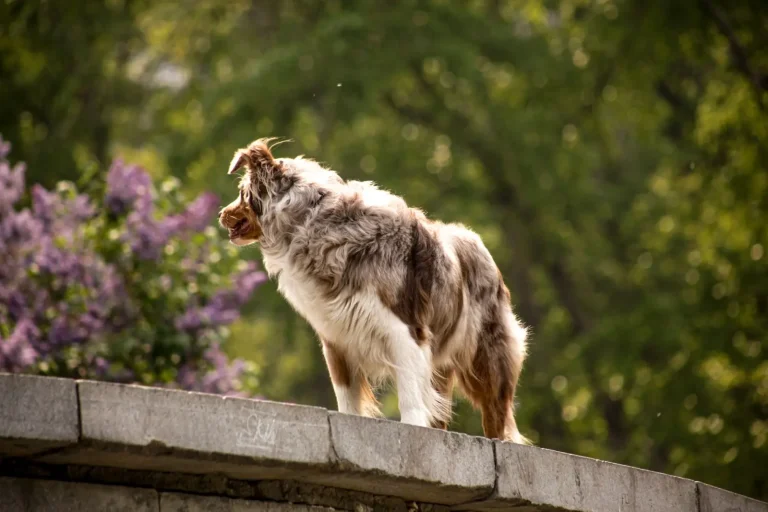

Australian Shepherds develop lumps and bumps with reasonable frequency, and most of the time they’re nothing serious. I’ve worked with enough of these dogs over the years to recognize that owners often panic at the first sign of any growth, while occasionally missing something that actually does warrant attention. The key isn’t memorizing a checklist of conditions – it’s understanding what changes in your dog’s skin and what stays stable, and recognizing when the pattern shifts.
The reality is that skin growths in Australian Shepherds tend to cluster around a few common types. Lipomas, which are benign fatty tumors, appear regularly in middle-aged and older dogs. Sebaceous cysts form when oil glands become blocked and harden under the skin. Warts and other benign proliferations show up, especially in dogs with sun exposure or certain genetic predispositions. These account for the vast majority of what you’ll feel when you’re running your hands over your dog’s body during grooming or play.
What I’ve noticed is that owners often discover these growths accidentally – while bathing the dog, scratching an ear, or just petting. That initial discovery usually triggers worry, but the timing of when you notice something doesn’t necessarily correlate with how urgent it is. A lump that’s been there for two years and hasn’t changed is a very different situation from one that appeared last month and is growing visibly.
Stability and Growth Rate Matter Most
The single most useful observation you can make about any lump on your Australian Shepherd is whether it’s changing. A growth that’s remained the same size for six months or a year is behaving differently than one that’s noticeably larger than it was two months ago. Stable lumps, even if they’re somewhat unsightly, rarely represent an emergency. Growing lumps deserve veterinary attention sooner rather than later, not because they’re automatically cancer, but because understanding what’s driving the growth matters.
I’ve seen owners bring in dogs with lumps they’ve had for years without any change, and those visits, while sometimes reassuring, often aren’t urgent. Conversely, a lump that appears and grows over weeks warrants a veterinary check within a reasonable timeframe – not necessarily an emergency visit, but not something to delay for months either. The growth rate tells you something about the biology of what’s happening under the skin.
Texture and attachment to underlying tissue also communicate useful information. A lump that moves freely under the skin when you push on it behaves differently than one that feels fixed in place. Soft, squishy growths tend to be lipomas or cysts. Hard, fixed lumps deserve closer evaluation. These tactile differences aren’t diagnostic on their own, but they help your veterinarian prioritize what needs investigation.
When Location Raises the Priority Level
Where a growth appears on your dog’s body can shift how urgently you should have it checked. A lump on the chest or flank that’s not bothering the dog is less pressing than a growth on a paw pad, between toes, or in the ear canal. Growths in areas where your dog licks or chews at them become irritated more easily and can become infected or bleed. A bump on the eyelid or near the eye warrants quicker attention simply because of proximity to sensitive structures. Growths around the mouth or throat, especially if they’re affecting eating or breathing, are genuinely time-sensitive.
I’ve also noticed that Australian Shepherds with growths in their ear canals or on ear flaps tend to shake their heads more, and these can become infected faster than growths elsewhere. A lump on a leg that your dog is bearing weight on differently is worth checking sooner than one on a less-used area. Location doesn’t automatically mean something is serious, but it does determine how much the growth is likely to be bothered, traumatized, or infected.
Signs That Suggest a Veterinary Visit Is Needed Soon
Certain characteristics make a growth worth having checked within days or a week rather than waiting for your next routine appointment. If a lump is bleeding, oozing, or has an open sore on top of it, that’s worth addressing sooner. A growth that’s rapidly enlarging – noticeably bigger week to week – deserves evaluation. If your dog is licking, chewing, or otherwise traumatizing the area, you need to prevent infection and understand what’s driving the behavior.
Changes in the appearance of the skin around or over a growth can signal something worth investigating. Redness, swelling, discharge, or a change in color of the growth itself are worth mentioning to your veterinarian. If a lump appears suddenly and your dog seems uncomfortable or is favoring a limb, that’s different from a slow-growing bump that’s been there for months and doesn’t bother the dog at all.
Multiple new lumps appearing across the body over a short period is worth discussing with your veterinarian, even if each individual lump seems minor. This pattern can sometimes suggest something systemic rather than isolated growths, though it’s often just coincidence or a reflection of your dog’s age.
The Routine Check Approach
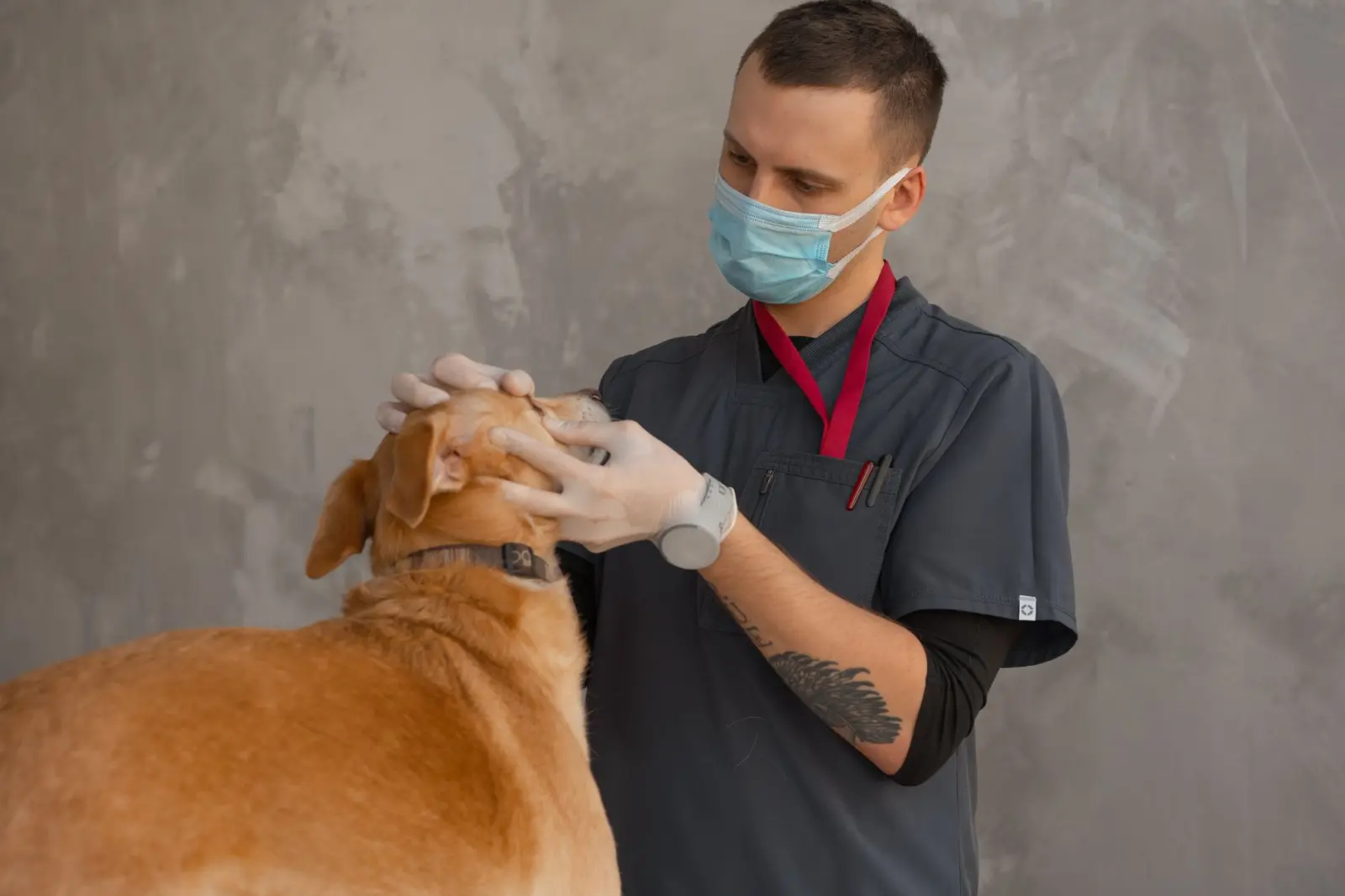
For stable lumps that aren’t bothering your dog, incorporating them into your regular veterinary visits makes sense. Your veterinarian can document size, consistency, and location, and you build a baseline for comparison. This approach removes the pressure of deciding whether something is urgent while still ensuring that changes get noticed. I’ve found that owners who do this tend to feel more confident about their dog’s health overall, and their veterinarian has better information for tracking changes over time.
Many Australian Shepherds will have several benign lumps by their senior years, and that’s normal. The goal isn’t to remove every growth – it’s to distinguish between what’s stable and benign versus what’s changing or problematic. Some owners choose to have benign lipomas removed for cosmetic reasons or because the dog is bothered by them, but that’s a quality-of-life decision rather than a medical necessity.
What I’ve learned from years of working with these dogs is that the anxiety around lumps often exceeds the actual risk. Most growths in Australian Shepherds are benign. The ones that aren’t tend to show themselves through behavior – the dog is uncomfortable, the lump is growing, or something about it is changing. Your hands-on familiarity with your own dog’s body is genuinely valuable. Notice what’s there, track whether it’s changing, and let your veterinarian know what you’ve observed. That combination of awareness and professional evaluation is what keeps these dogs healthy.