
Australian Shepherds are bred to work at distance, reading livestock movement and responding to environmental cues rather than constant handler input. This heritage creates a fundamental mismatch when owners expect the same obedience indoors to translate seamlessly to outdoor settings. After years of working with this breed, I’ve noticed the problem isn’t usually that the dog doesn’t know commands – it’s that the outdoor environment offers competing priorities that feel more urgent than listening to you.
The difference between indoor and outdoor listening often surprises owners. A dog that reliably sits on command in your living room may completely ignore you in the backyard or at a park. This isn’t defiance or selective hearing. The shift happens because outdoor spaces introduce movement, scent, sound, and open space – all things that naturally trigger a herding dog’s attention and drive. Your voice becomes one signal among many, and not necessarily the most interesting one.
Environmental distraction is real, but it’s not the whole story. I’ve found that Australian Shepherds also respond differently to outdoor settings based on how much freedom they perceive. A fenced yard feels different from a leashed walk, which feels different from an off-leash field. The dog’s brain is working harder to process space, and that cognitive load affects listening ability. Add in weather changes, unfamiliar people, or other dogs, and you’re asking for obedience under conditions the dog hasn’t been systematically prepared for.
Why Indoor Training Doesn’t Automatically Transfer
The mistake I see most often is assuming that a dog trained indoors will simply apply those skills outdoors without additional work. Indoor training happens in a controlled, predictable space where distractions are minimal and the dog’s focus naturally narrows. Outdoor training is a different skill entirely. It requires the dog to filter environmental input, maintain focus despite competing stimuli, and respond to your commands even when other things are happening around them.
Australian Shepherds have strong prey and herding drives. A bird moving across the yard, a squirrel in a tree, or even wind moving leaves can trigger their attention in ways that don’t happen indoors. When these drives activate, they’re not choosing to ignore you – they’re responding to something their genetics tells them is important. The dog needs to learn that your commands take priority over these impulses, and that learning happens through consistent outdoor practice, not through assuming the indoor behavior will transfer.
I’ve also noticed that many owners underestimate how much novelty affects outdoor listening. Even in your own yard, a new smell, a neighbor’s dog barking, or a change in weather can shift the dog’s focus. The dog isn’t being stubborn; they’re processing new information. Expecting immediate obedience in novel outdoor situations is unrealistic until the dog has been specifically trained to maintain focus despite those changes.
Building Outdoor Focus Gradually
The practical approach is to treat outdoor obedience as a separate training skill. Start in low-distraction outdoor environments – a quiet driveway, an empty parking lot, or a secluded area of a park. The goal is to practice commands in outdoor space without the competing stimuli that make it harder. This gives the dog a chance to learn that listening works the same way outdoors as it does indoors, just in a different setting.
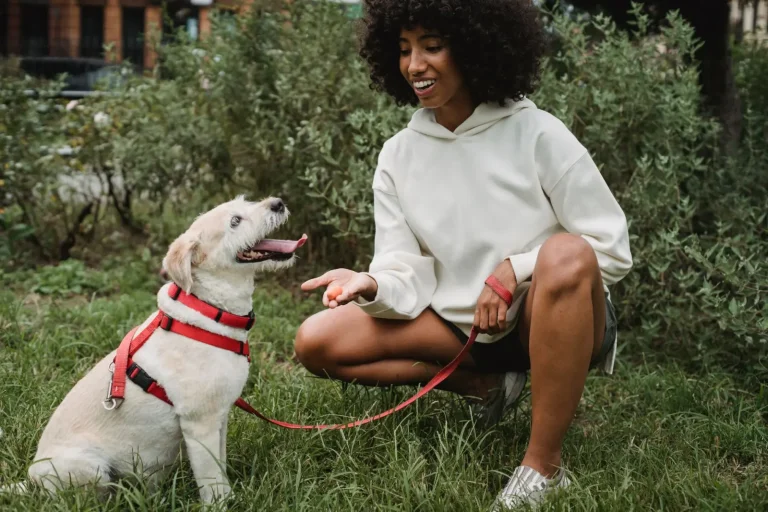
Reward value matters more outdoors than it does indoors. A treat that works fine for indoor training may not be compelling enough to compete with outdoor stimuli. I’ve found that higher-value rewards – something the dog really wants – are necessary when you’re asking them to ignore environmental distractions. This isn’t bribery; it’s acknowledging that you’re asking the dog to override natural instincts, and the reward needs to reflect that difficulty.
Consistency is where most outdoor training falls apart. A dog that gets inconsistent responses to commands will stop taking them seriously. If you call your Australian Shepherd to come and sometimes they comply while other times you let them keep doing what they’re doing, they learn that obedience is optional. Outdoors, where there are more opportunities for the dog to make independent choices, consistency becomes even more critical. Every command should have a clear consequence, whether that’s reward for compliance or removal of freedom for non-compliance.
The Role of Impulse Control
Australian Shepherds need impulse control work before they can reliably listen in high-distraction environments. This means teaching the dog to wait, to make eye contact on request, and to defer to you even when something interesting is happening. These skills build the foundation for outdoor obedience. A dog that has learned to check in with you before chasing something is already halfway to reliable outdoor listening.
I’ve found that teaching a solid “watch me” or “look at me” command is particularly useful with this breed. It gives you a way to redirect attention when outdoor distractions are pulling the dog’s focus. The command itself becomes a reset button – when the dog looks at you, they’ve broken away from whatever was distracting them, and you can then give your actual command from a position of better attention.
Impulse control also means managing the dog’s access to distractions while they’re learning. A young Australian Shepherd that’s allowed to chase squirrels whenever they want is learning that squirrel-chasing is rewarding and acceptable. That behavior becomes stronger every time it happens. If you want outdoor obedience, you need to prevent the dog from self-rewarding through distraction. This might mean keeping them on a long line during outdoor time until their listening is reliable, or choosing training locations where distractions are limited.
Distance and Reliability
Australian Shepherds were bred to work at distance, which means they can develop reliable outdoor listening at range. However, this requires specific training. Many owners only practice obedience when the dog is close by, then expect it to work when the dog is thirty feet away. Distance changes everything. The dog’s ability to see you clearly, hear your voice, and respond decreases with distance, especially outdoors where wind and ambient noise interfere with sound.
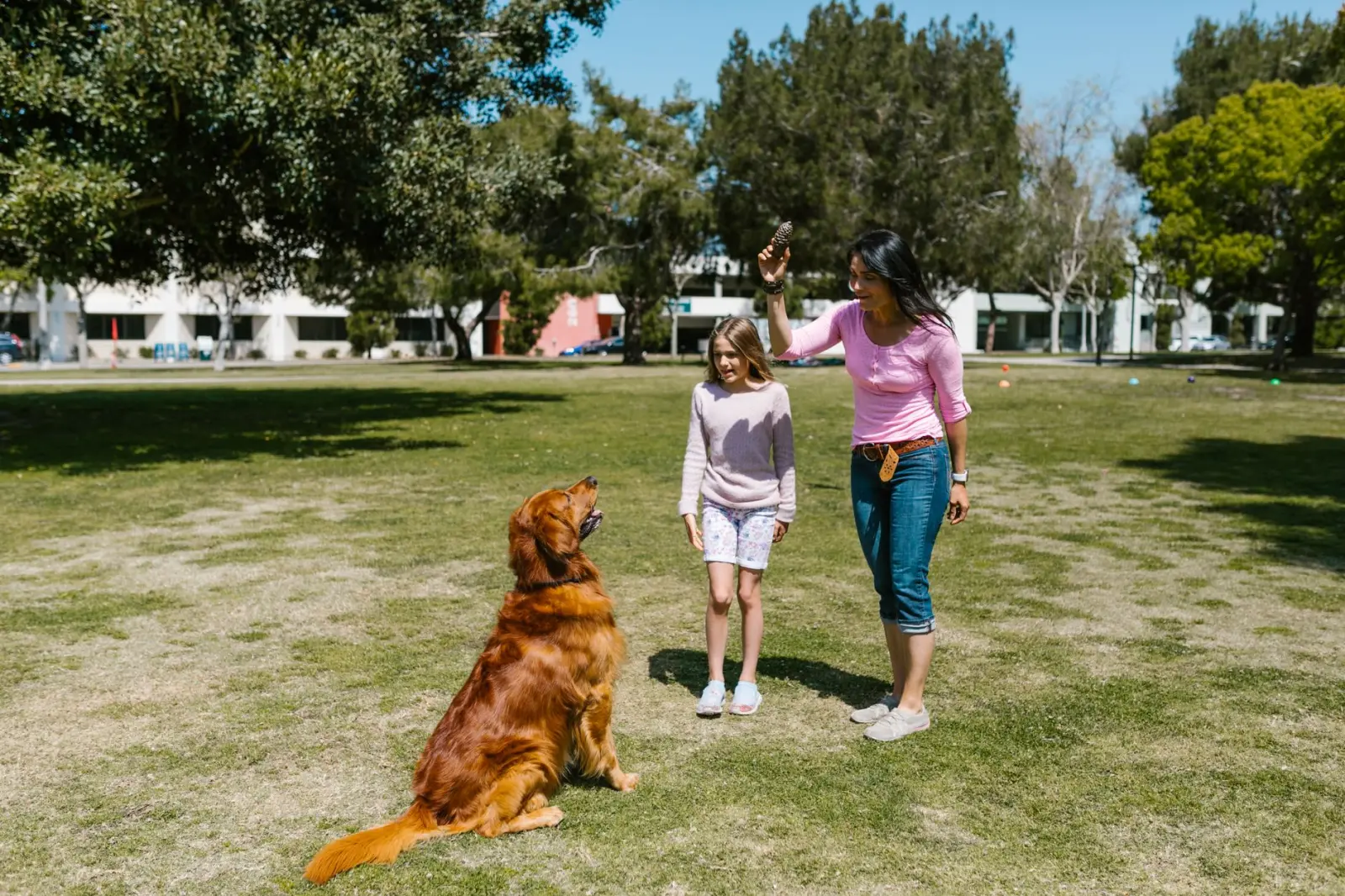
Building distance gradually works better than expecting it immediately. Practice commands at close range until they’re solid, then slowly increase distance as the dog shows reliable responses. Use a long line if necessary to enforce compliance at distance. The dog learns that your commands apply regardless of how far away they are, but they need to learn this through repeated practice, not assumption.
Weather and time of day affect outdoor listening more than most owners realize. A dog that listens well on a calm, cool morning might struggle on a hot afternoon or during windy conditions. Environmental factors change how alert and responsive the dog is. I’ve noticed that Australian Shepherds often listen better when they’re not overheated or overstimulated. Managing these factors – training during appropriate times, taking breaks in heat, avoiding peak distraction times – makes a real difference in success rates.
The reality of outdoor obedience with Australian Shepherds is that it requires ongoing work. This breed doesn’t naturally defer to handlers in the way some other dogs do. Their independence and environmental awareness are part of what makes them good working dogs, but those same traits mean outdoor listening is never truly automatic. It’s maintained through consistent practice, clear expectations, and respect for the dog’s natural instincts. When you work with those instincts rather than against them, outdoor listening becomes much more reliable.