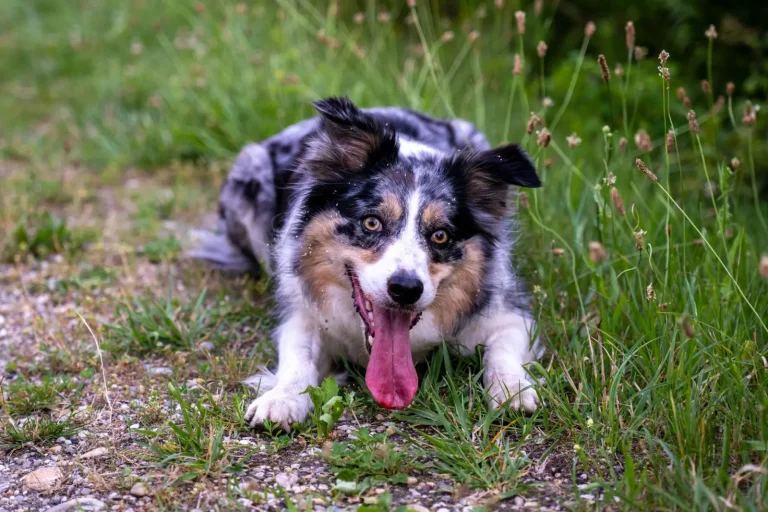

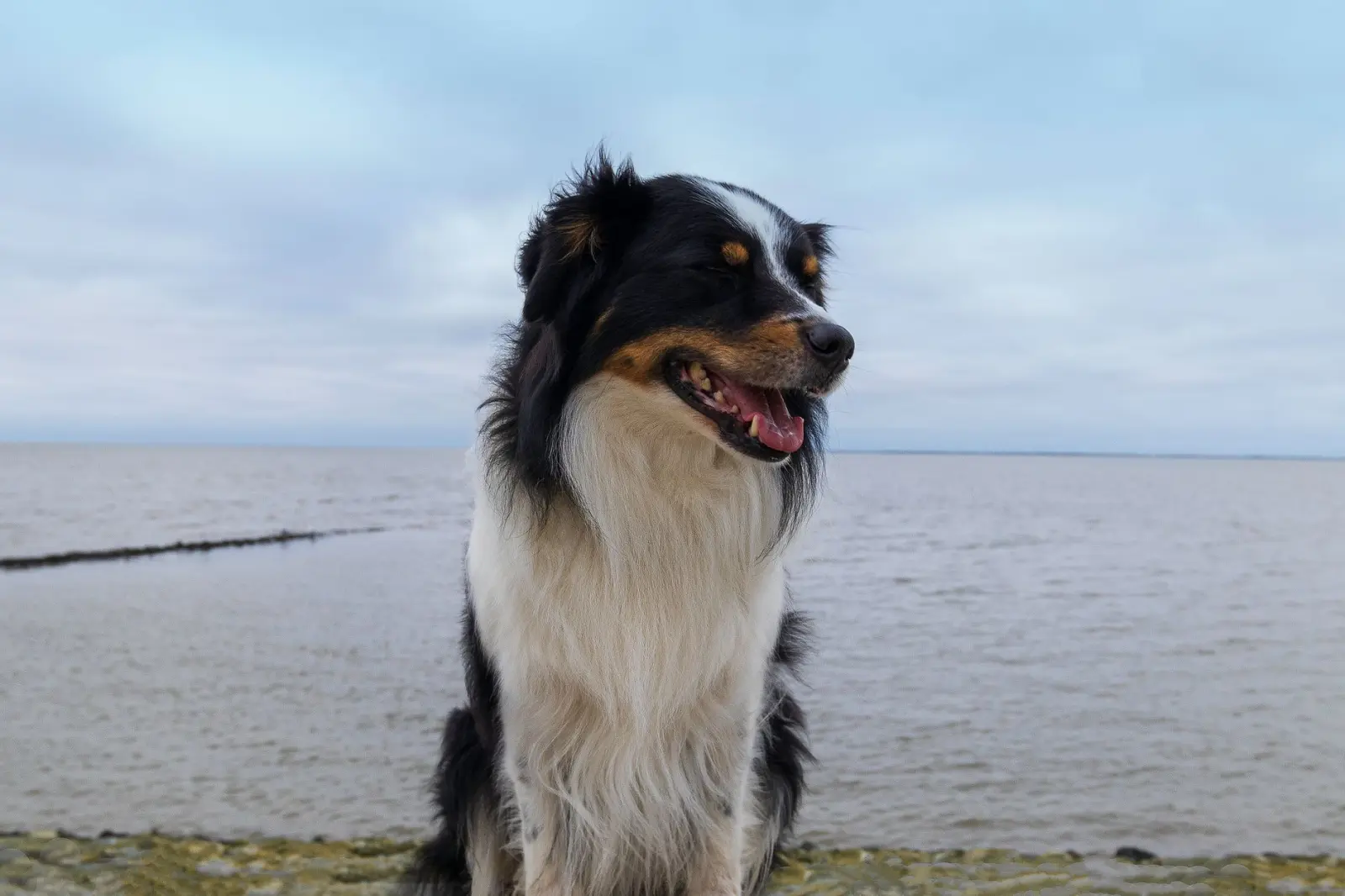
Australian Shepherds in Brisbane are a study in contrasts. You get a dog bred for work in cooler mountain ranges, now living in a city where summer temperatures regularly hit the mid-30s Celsius and humidity sits thick in the air. After years of working with these dogs in this climate, I’ve learned that it’s less about whether they can handle Brisbane and more about recognizing what changes when you ask them to live here.
The first thing most people underestimate is how much their Aussie’s behavior shifts with temperature. A dog that’s comfortable and engaged at 22 degrees becomes noticeably different at 32 degrees. They don’t simply slow down – their entire tolerance for stimulation narrows. A dog that would happily play fetch for twenty minutes in cooler weather might manage five minutes before seeking shade. This isn’t laziness. It’s a physiological response, and misreading it often leads to owners pushing their dogs too hard or, conversely, assuming their dog has developed a behavioral problem when really the heat is just changing what’s possible.
Heat Management as a Daily Reality
Brisbane’s heat isn’t occasional. From November through March, you’re managing it almost every day. The practical side of this means your routine shifts entirely. Morning walks need to happen early – genuinely early, before 7 AM – because by 9 AM the pavement is already uncomfortable underfoot. I’ve seen too many dogs develop pad sensitivity or reluctance to walk because owners waited until mid-morning thinking it would be cooler than afternoon. It doesn’t work that way in Brisbane.
Evening walks present their own problem. The heat lingers well into the night, and while the air temperature drops, the ground retains warmth for hours. A walk at 6 PM might feel pleasant to you but still be too warm for sustained activity. The real window for meaningful exercise often compresses into early morning and late evening, with maybe some water-based activity during midday if you have access to a pool or beach.
Inside the house, air conditioning becomes non-negotiable, not a luxury. An Aussie’s double coat is designed to insulate against temperature extremes, but it works both ways – it traps heat as efficiently as it retains cold. Without proper cooling, you’ll see panting that doesn’t resolve, restlessness, and dogs that simply can’t settle. Some owners try to manage this by shaving their dogs, thinking it will help. In my experience, this rarely solves the problem and often creates new ones. The coat actually provides some protection from direct sun exposure. Better to invest in reliable air conditioning and keep the coat intact.
Exercise and Mental Stimulation Patterns
Australian Shepherds are working dogs with high mental and physical drive. Brisbane’s heat doesn’t eliminate that need – it just changes how you meet it. The mistake I see most often is owners trying to maintain the same exercise volume year-round. A dog that needs ninety minutes of activity in winter might only tolerate forty-five minutes of intense activity in summer, with the rest needing to happen indoors or in water.
This is where puzzle toys, training sessions, and indoor games become essential rather than supplementary. An hour of focused training work in an air-conditioned room can tire an Aussie’s brain more effectively than two hours of outdoor activity in the heat. The key is understanding that mental exhaustion counts as real exhaustion. Many owners don’t realize this until they’ve already pushed their dog too hard physically.
Water play deserves special mention. Swimming or wading isn’t just recreation in Brisbane – it’s often the only way to give your dog meaningful physical exercise during peak heat months without risking heat stress. If you have access to a pool or safe water, your Aussie will likely take to it readily. Even dogs that aren’t natural swimmers often appreciate shallow water to wade through. This becomes part of your heat management strategy, not just a fun activity.
Behavioral Changes and Misconceptions
Heat affects behavior in ways that aren’t always obvious. A dog that’s slightly too warm becomes less responsive to commands, more reactive to minor triggers, and less tolerant of other dogs or people. Owners sometimes interpret this as stubbornness or a training regression. What’s actually happening is their dog is uncomfortable and their threshold for patience has lowered. Recognizing this distinction prevents you from mishandling the situation.
I’ve also noticed that Aussies in Brisbane often develop a pattern of activity and rest that differs from what owners expect based on breed descriptions. They might seem less driven or less energetic than their reputation suggests. This isn’t because Brisbane’s Aussies are different dogs – it’s because the climate is genuinely limiting their capacity to express their natural drive. Understanding this prevents you from constantly feeling like your dog isn’t living up to the breed standard.
Anxiety and hypervigilance can increase in heat. Some dogs become more reactive to sounds, more alert, or more prone to pacing. This seems counterintuitive when you’d expect heat to make dogs lethargic, but it’s real. The discomfort can make dogs more nervous. This is another reason why consistent air conditioning and a predictable routine become so important – they help stabilize a dog’s nervous system in conditions that are naturally stressful.
Health Considerations Beyond Heat Stroke
Heat stroke is the obvious concern, and yes, you need to watch for it. But the subtler health issues are what I see more frequently. Paw pad sensitivity increases when dogs are regularly walking on hot surfaces. Skin issues can flare up – not necessarily from the heat itself, but from the combination of heat, humidity, and reduced grooming attention. Ear infections become more common because moisture and warmth create ideal conditions for bacterial growth.
Hydration needs are straightforward in theory but easy to get wrong in practice. Your dog needs constant access to fresh water, but they also need to actually drink it. Some dogs become less interested in drinking when they’re hot, which seems backward but happens. Offering water frequently throughout the day, keeping bowls in multiple locations, and sometimes using a water fountain to encourage drinking helps. I’ve found that dogs often drink more if the water is cool, so refreshing bowls regularly or using a chilled bowl makes a difference.
Digestive upset is common in heat. Dogs often eat less when they’re warm, which is normal, but sometimes this leads to owners worrying unnecessarily. A slight reduction in appetite during summer is typical. What matters is that your dog is still eating something and maintaining hydration. If appetite drops dramatically or doesn’t return when temperatures cool, that’s worth investigating.
Living with an Australian Shepherd in Brisbane works best when you stop fighting the climate and start planning around it. The dog doesn’t need to change – your expectations and routines do. This means accepting that summer looks different, that exercise patterns shift, and that what works in cooler months won’t work here. Once you adjust to that reality, these dogs settle into Brisbane life quite well. They’re adaptable enough to manage the heat, and Brisbane offers enough space and outdoor opportunity that they can still live full lives. The key is recognizing what the heat actually demands and responding to it honestly rather than pushing through as if conditions were different.