

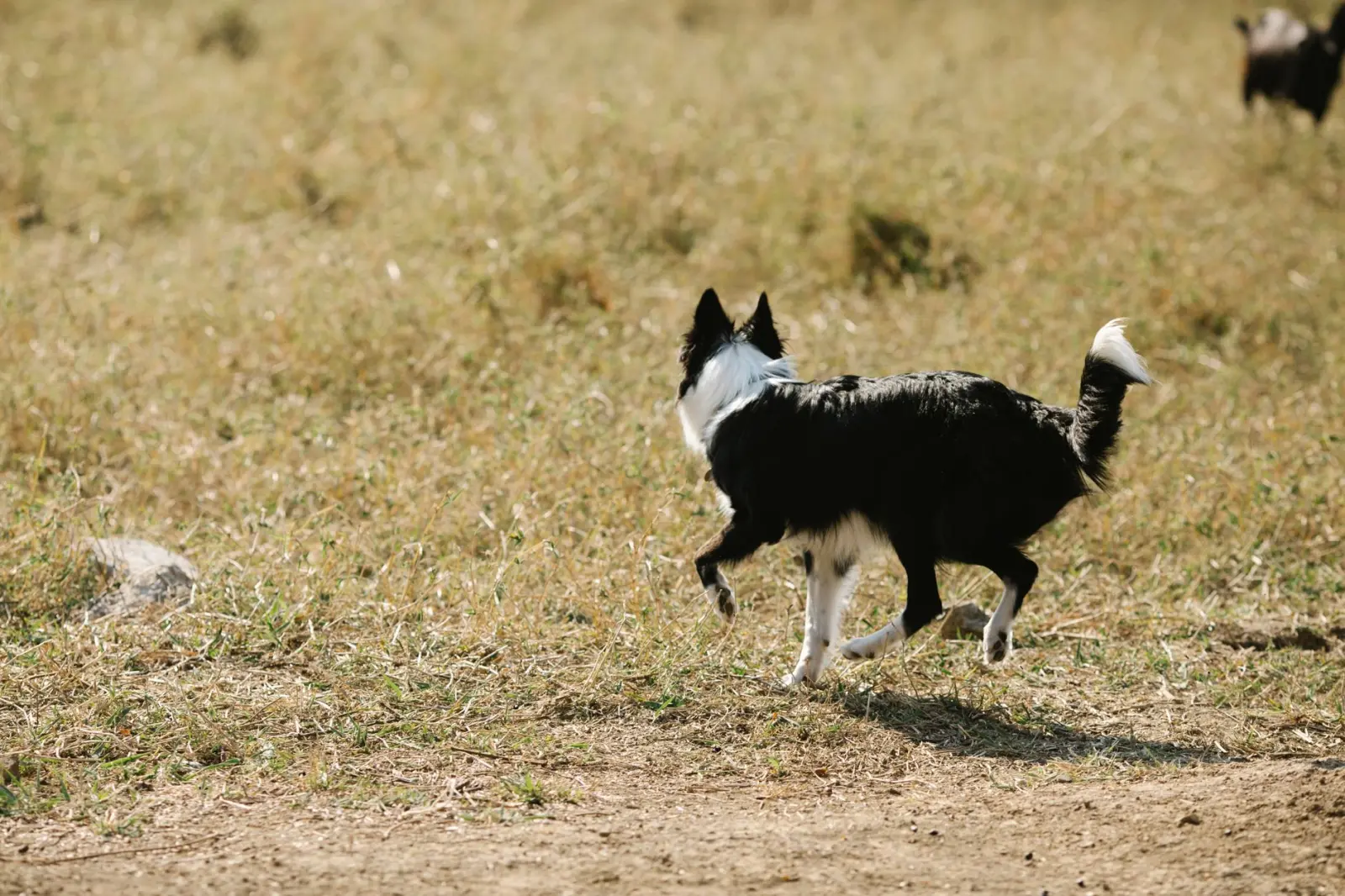
After years of working with Australian Shepherds, I’ve noticed they carry a reputation that doesn’t quite match reality. People hear “high maintenance” and imagine a dog that demands constant attention and specialized care. The truth is more nuanced. These dogs do have real needs, but those needs are predictable and manageable once you understand what you’re actually dealing with.
The maintenance question usually comes down to three things: exercise, grooming, and mental engagement. Australian Shepherds were bred to work livestock all day, and that heritage shows up in their daily behavior. They’re not dogs that thrive on a couple of walks around the block. But calling them “high maintenance” because of this misses the point. A dog that needs two hours of real activity daily isn’t difficult – it’s just a dog with clear requirements. The problem arises when someone brings one home expecting a moderate-energy companion, then struggles when the dog becomes destructive or anxious.
What the Exercise Reality Actually Looks Like
Most Australian Shepherds need somewhere between 60 and 90 minutes of substantial activity per day. That’s not a gentle stroll. It’s running, herding games, fetch sessions, or trail work where they’re genuinely using their bodies and minds. I’ve seen owners manage this through a combination of morning runs, afternoon play sessions, and weekend hikes. The key is consistency. A dog that gets this outlet regularly becomes a calm, manageable companion at home. A dog that doesn’t becomes a problem – pacing, destructive behavior, obsessive play, sometimes aggression.
The difference between a well-exercised Australian Shepherd and an under-exercised one is striking. I’ve visited homes where the dog seemed almost like a different breed depending on whether they’d had adequate activity that day. This isn’t unique to the breed, but Australian Shepherds do seem to show the gap more obviously than some others. Their energy doesn’t gradually fade – it either gets channeled into work or it builds into restlessness.
What’s worth noting is that exercise needs don’t require fancy equipment or professional services. A backyard, a tennis ball, and 45 minutes of your time works perfectly well. Some owners use herding trials or agility classes, which can be rewarding, but they’re not necessary. The dog doesn’t care whether it’s training for competition or just burning energy in the yard. What matters is the consistency and intensity.
Grooming: Manageable If You’re Realistic
The coat is where people often get surprised. Australian Shepherds have a double coat that sheds year-round and heavily during seasonal blows. Twice a year, usually spring and fall, they shed enough hair to knit a second dog. This isn’t something you manage with a weekly brush and hope for the best. You need to actually engage with the coat, and you need to do it regularly.
A proper grooming routine means brushing two to three times per week during normal shedding periods, and almost daily during heavy shedding seasons. A slicker brush and an undercoat rake are non-negotiable tools. If you’re not willing to do this, or you don’t have the time, this breed will leave hair everywhere – on furniture, clothes, in your car, throughout your home. I’ve seen people describe it as living in a constant state of dog hair, and that’s not an exaggeration when grooming is neglected.
The realistic perspective here is that grooming isn’t complicated, but it is time-intensive. Some owners find it meditative and enjoy the routine. Others resent it. If you fall into the second category, an Australian Shepherd might genuinely be the wrong choice. Professional grooming can help during heavy shedding periods, but it’s an additional cost and doesn’t eliminate the need for regular home maintenance.
Mental Engagement and Behavior
Where Australian Shepherds actually become high-maintenance is in their need for mental stimulation. These are working dogs with working-dog brains. They notice things, they problem-solve, and they get bored easily. A dog that’s physically tired but mentally unstimulated can still develop behavioral issues. I’ve seen well-exercised Australian Shepherds that still had problems because their owners weren’t engaging them mentally.
This might mean training sessions, puzzle toys, scent work, or even just varying their exercise routine so they’re not doing the same thing every day. Some owners set up simple tasks around the house – finding hidden treats, learning new commands, working through obstacle courses. The specifics matter less than the principle: these dogs need to think, not just run.
Behavioral problems in Australian Shepherds often stem from under-stimulation rather than inherent difficulty. Excessive barking, herding family members (especially children), fixation on movement, and anxiety are common complaints. Most of these improve dramatically when the dog gets adequate physical and mental outlet. This isn’t high maintenance in the sense of being broken or difficult – it’s just the breed functioning as designed.
Training and socialization do matter, but Australian Shepherds are generally responsive and intelligent. They’re not stubborn or defiant in the way some breeds can be. They want to work and please. That makes training straightforward if you’re willing to put in the time. Again, this is manageable work, not mysterious or specialized.
Health and Veterinary Considerations
Australian Shepherds don’t have unusual health requirements compared to other medium-sized dogs. Hip dysplasia and certain eye conditions appear in the breed, so purchasing from responsible breeders who test for these issues matters. Beyond that, routine veterinary care is standard. They’re not prone to constant ear infections, skin problems, or digestive issues the way some breeds are. Health-wise, they’re relatively straightforward.
The breed does live 12 to 15 years typically, so you’re committing to a long-term relationship. That’s worth acknowledging upfront, but it’s not a maintenance issue – it’s just a reality of dog ownership.
What separates Australian Shepherds from truly high-maintenance breeds is that their needs are clear and consistent. They don’t require special diets, they don’t have complicated grooming beyond standard brushing, and they don’t have a list of breed-specific health crises. They need exercise, grooming time, and mental engagement. If you can provide those things, the dog thrives. If you can’t, problems develop. That’s straightforward cause and effect, not mysterious difficulty.
The real question isn’t whether Australian Shepherds are high-maintenance. It’s whether you’re prepared to meet their actual needs. For someone with an active lifestyle, access to space, and willingness to brush a dog regularly, an Australian Shepherd is entirely manageable. For someone expecting a lower-energy companion or unwilling to commit to consistent activity, this breed will feel exhausting. The maintenance level depends less on the dog and more on the match between the dog’s nature and your circumstances.