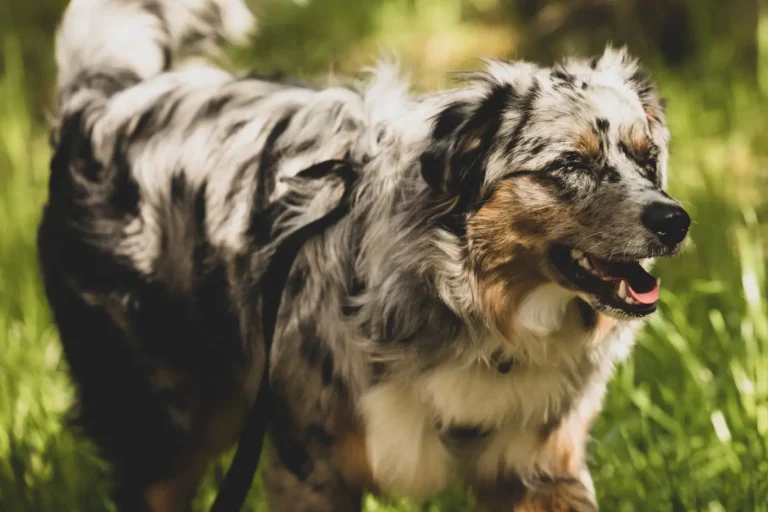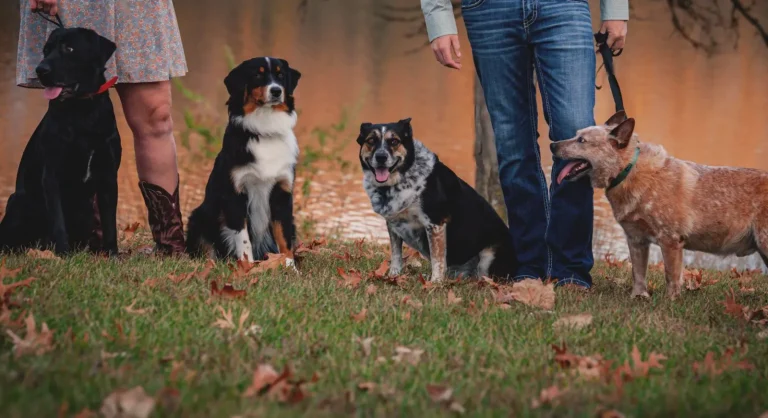

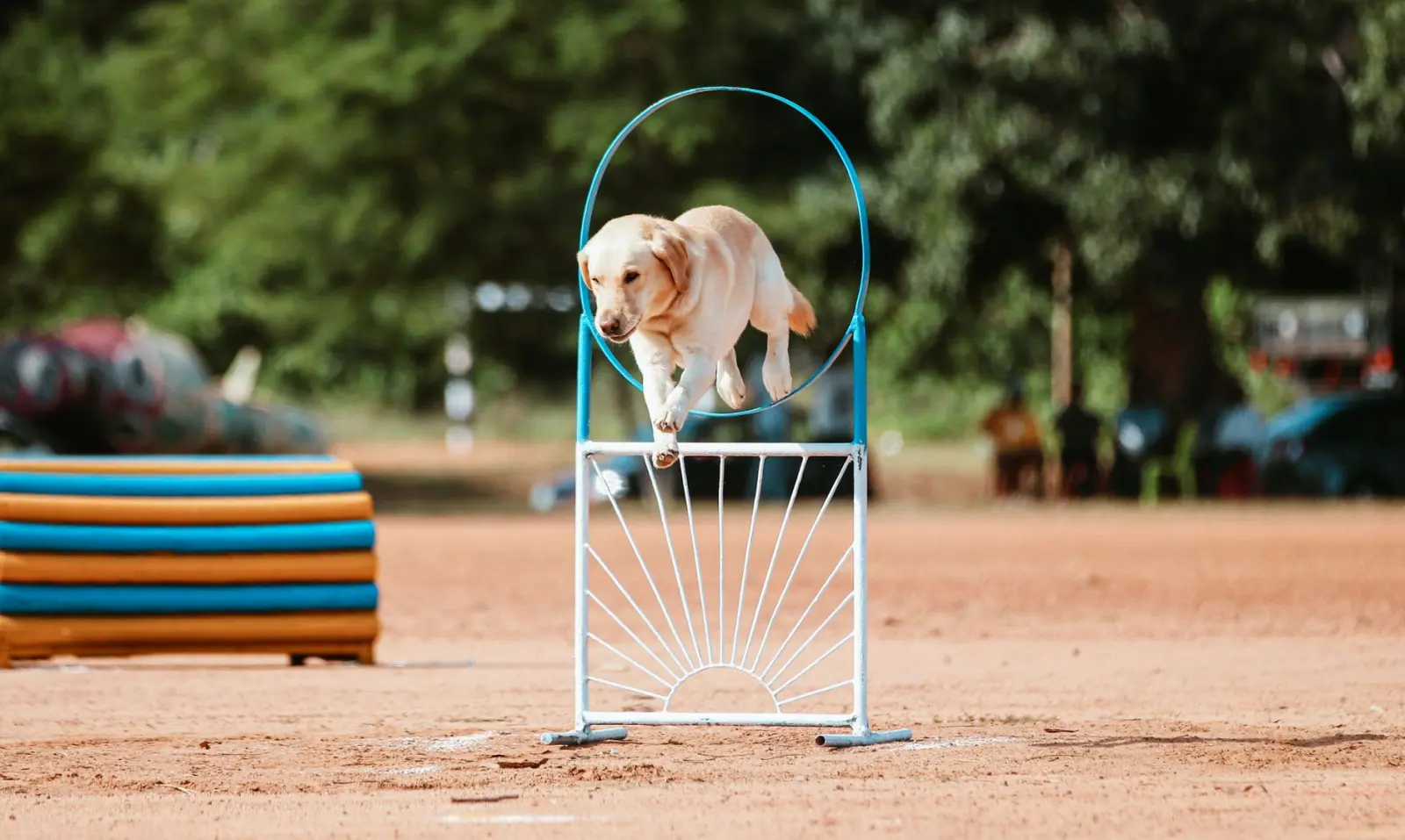
Australian Shepherds have a particular way of moving through space. They’re built for work, and that translates into an almost restless energy when they’re not engaged. Over the years, I’ve found that agility work – even the informal kind you can set up in a backyard – channels that energy in a way that regular walks or fetch sessions don’t quite manage. It’s not just physical exercise; it’s the kind of mental engagement that settles their nervous system.
The thing about starting agility with this breed is that they often arrive already primed for it. Aussies have herding instincts and an innate sense of body control. Many of them will naturally weave through obstacles or jump over low barriers without much encouragement. That said, there’s a significant difference between a dog who can jump and a dog who understands when and how to do it safely. The foundation matters more than the flashy stuff.
What I’ve noticed most often is that people underestimate how young an Aussie can start learning basic agility concepts. You don’t need to wait until they’re fully grown. In fact, introducing simple directional cues and low-impact movements early builds confidence and body awareness. A six-month-old Australian Shepherd can begin learning to navigate poles on the ground or step through a low hoop. The key is keeping the obstacles low and the repetitions short.
Starting With Foundation Movement
Before you set up any obstacle, spend time watching how your dog naturally moves and responds to your body language. Australian Shepherds are highly attuned to handler position and movement. They’ll follow your line of sight, your hand direction, and even subtle shifts in your weight. This responsiveness is your biggest asset when teaching agility at home.
The first thing I usually work on is teaching a dog to follow a simple line or direction. You can do this with nothing more than a garden hose laid out in a straight line or a gentle curve on grass. Walk the line yourself, encourage your dog to follow alongside or through it, and reward them for staying engaged with you. This isn’t flashy, but it teaches the dog that agility is about connection and listening to your cues, not just running around obstacles.
Once a dog understands the basic concept of following a path, you can introduce very low jumps. A PVC pipe set at knee height or even lower – sometimes just 6 to 8 inches – is plenty to start. The goal isn’t height; it’s teaching the dog to lift their feet and clear an obstacle with intention. I’ve seen too many people rush this phase and set bars too high, which creates hesitation or teaches poor jumping form. An Australian Shepherd with good jumping technique early on will carry that efficiency forward.
Simple Obstacles You Can Build or Improvise
You don’t need expensive agility equipment. A weave pole setup can be created with PVC pipes driven into the ground or even garden stakes spaced about 2 feet apart. Jumps can be made from PVC or sturdy branches supported by cones or low stands. A pause table can be a sturdy wooden platform, a pallet, or even a large piece of plywood on the ground. The materials matter far less than the consistency and safety of the setup.
Weaving is something Australian Shepherds often take to naturally because of their herding background. They understand lateral movement and directional changes. When teaching weaves, I start with the poles spaced wider apart – sometimes 3 or 4 feet – and gradually bring them closer as the dog understands the pattern. Most Aussies will figure out the weave pattern within a few sessions, though some take longer to find their rhythm. The dog should move through at a controlled pace, not race through carelessly.
A tunnel made from PVC hoops and fabric or a children’s play tunnel works well for building confidence. Australian Shepherds sometimes hesitate at tunnels initially because they can’t see through them, but most overcome this quickly with encouragement. I’ve found that letting the dog see through the tunnel first – even just having it lying flat – helps. Once they understand it’s a passage, not a trap, they usually move through it readily.
Pacing and Repetition Patterns
One mistake I see repeatedly is doing too much too fast. A 15-minute session with an Australian Shepherd is often more effective than a 45-minute marathon. These dogs have intense focus, but it’s a focused intensity, not an endless reservoir. After 10 to 15 minutes of active work, their attention starts fragmenting. You’ll notice them getting distracted or making mistakes they didn’t make earlier in the session.
Consistency matters more than intensity. Three or four short sessions per week, spaced across different days, will build skill and confidence faster than one long session. The dog’s body also needs recovery time between sessions, especially when they’re young. Growth plates in Australian Shepherds don’t fully close until around 12 to 14 months, so high-impact work should be kept moderate during that window.
I also pay attention to how a dog performs on different surfaces. Grass is forgiving and provides good traction. Concrete can be slippery and hard on joints. Dirt or mulch offers a middle ground. Varying the surface occasionally is fine, but if you’re building skills, stick with one consistent surface until the dog has the pattern down.
Reading Your Dog’s Signals
Australian Shepherds are generally eager to work, but that eagerness can mask fatigue or discomfort. A dog who’s tired might still try to jump because they want to please, not because they’re physically ready. Watch for changes in their jumping form – if they start knocking bars or landing awkwardly, that’s often a sign they need a break. Panting heavily, moving more slowly, or losing interest in treats are other indicators.
Some Aussies develop a kind of obsessive focus on agility work, especially if they’ve had success with it. They’ll want to repeat the same obstacle over and over. While this shows drive, it’s not always productive. Mixing up the obstacles, changing the order, or taking breaks prevents both physical burnout and the development of rigid, repetitive patterns.
Motivation varies among individual dogs. Some Australian Shepherds will work for praise and the satisfaction of completing a task. Others need food rewards to stay engaged. Most respond well to a mix of both. I’ve noticed that Aussies tend to lose interest if the reward system becomes too predictable. Varying when and how you reward keeps them engaged.
The real value of home agility work with Australian Shepherds isn’t about building a competition dog, though some people do go that route. It’s about providing an outlet for their natural drive to work, move with purpose, and connect with their handler. A dog who’s had regular agility practice tends to be calmer at home, more responsive to commands, and more confident in unfamiliar situations. That’s what I’ve consistently observed over years of working with this breed.