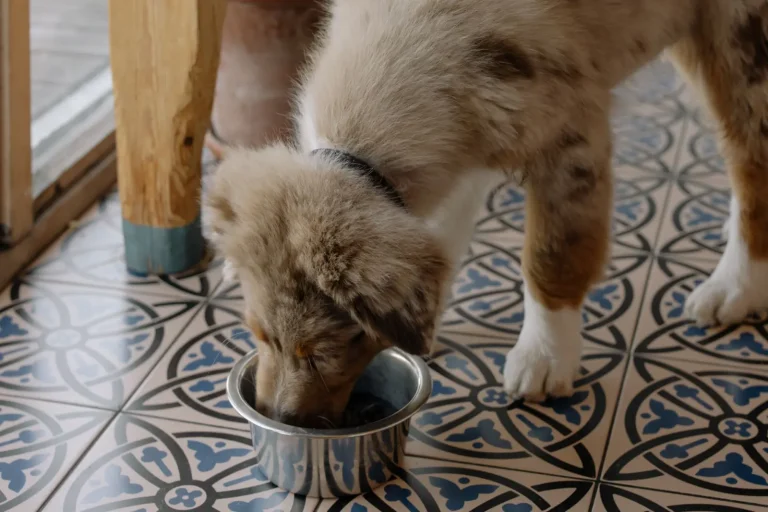


Australian Shepherd puppies develop quickly, and the changes happen in fairly predictable patterns if you know what to watch for. I’ve raised and observed dozens of litters over the years, and while individual puppies vary, the general timeline is consistent enough that you can anticipate what’s coming. The first four months are where the foundation gets laid – not just physically, but in how their nervous system, social awareness, and learning capacity unfold.
The early weeks are deceptive. A newborn Aussie pup looks fragile and helpless, but underneath that soft exterior, a lot is happening neurologically. By the time most people bring a puppy home at 8 weeks, the dog has already experienced more developmental change than many realize. Understanding what happened before you got the puppy matters because it shapes how the animal responds to its new environment.
Weeks 1 to 3: Sensory Awakening
Newborn Australian Shepherd puppies are born with their eyes and ears closed. For the first week or so, they’re almost entirely dependent on touch and smell. Around day 10 to 14, the eyes start to open, though vision is blurry and unfocused. The ears follow a few days later. This isn’t just a physical process – the brain is simultaneously developing the neural pathways to process what these senses are picking up.
During this phase, the dam (mother) is doing most of the work. She’s regulating temperature, stimulating elimination, and providing all nutrition. The puppies spend most of their time sleeping and feeding. What matters from a developmental standpoint is that they’re beginning to recognize littermates through scent and touch. Early litter dynamics are already forming, though they’re crude and instinctive at this stage.
By week 3, puppies are more mobile. They’re crawling around the whelping area, interacting with siblings more deliberately, and starting to eat solid food alongside nursing. Their vision and hearing are functional now, though not fully mature. The world is becoming more distinct to them, and you’ll notice they startle less easily than they did a week prior.
Weeks 4 to 5: Social Engagement Begins
This is when Australian Shepherd puppies start to become recognizable as individual personalities. They’re weaned or weaning, eating puppy food regularly, and their play with littermates becomes more structured. You’ll see play bows, chasing, and wrestling. These interactions are teaching them about bite inhibition, social hierarchy, and how to read other dogs’ signals – lessons they can’t learn from humans alone.
Their coordination improves noticeably. They’re no longer stumbling around; they can walk, trot, and navigate obstacles. Their hearing is acute now, and they startle at sudden noises. This is also when you might notice the first hints of herding instinct – some puppies will crouch and stalk littermates or moving objects. It’s not trained behavior; it’s genetic predisposition beginning to express itself.
Cognitively, they’re becoming more aware of their environment and more responsive to human interaction. If the breeder has been handling them regularly, they’ll show interest in people and less fear of new stimuli. This is a critical window for early socialization, though the puppy’s immune system is still developing, so exposure needs to be thoughtful.
Weeks 6 to 8: Pre-Departure Development
By week 6, most Australian Shepherd puppies are fully weaned and eating solid food exclusively. They’re mobile, playful, and increasingly independent from the dam. Littermates are still important, but they’re beginning to see humans as interesting social partners. Their teeth are coming in – all the deciduous teeth are usually present by week 6 or 7.
This is the period where breeders typically begin more intensive handling and early training exposure. Puppies are learning to walk on a leash, respond to their names, and navigate different surfaces and environments. Their learning capacity is high, and they’re naturally curious. Fear responses are still relatively muted, which is why this window is valuable for introducing them to varied stimuli.
Physically, they’re gaining coordination and strength rapidly. They can jump, climb, and play with more precision. Their play-fighting with littermates is teaching them about force control, even though they don’t consciously understand it. By week 8, when most puppies leave for their new homes, they’ve developed enough independence and social awareness to handle the transition, though it’s still a significant change.
Weeks 9 to 12: Adjustment and Learning
The first few weeks in a new home are intense for a puppy. They’ve lost their littermates and dam, their entire social structure has changed, and they’re processing a completely new environment. Australian Shepherds are smart and adaptable, but they’re also sensitive to change. You’ll likely see a period of adjustment where the puppy is either clingy or exploring frantically, sometimes both in the same day.
Developmentally, this is when the puppy’s own personality really emerges separate from littermate dynamics. Without siblings to compete with, you see how they actually behave – their energy level, their confidence, their response to novelty. Some puppies are bold and curious; others are more cautious. Neither is wrong; it’s just individual temperament expressing itself.
Training becomes more deliberate now. The puppy’s attention span is still short – usually just a few minutes – but they’re capable of learning basic commands and house training. Their bladder control is improving, though accidents are still normal. Teething is in full swing, and they’re chewing everything. This isn’t misbehavior; it’s a developmental necessity. Providing appropriate outlets matters more than punishment.
By week 12, most puppies have had their second or third round of vaccinations, and their immune system is developing more resilience. This opens up more socialization opportunities – puppy classes, exposure to different environments, meeting unfamiliar dogs and people. The critical socialization window is still open, and experiences during this time have lasting effects on how the dog relates to the world.
Weeks 13 to 16: Building Confidence
Australian Shepherd puppies at this age are becoming more coordinated and confident. They’re faster, stronger, and more aware of their own capabilities. Play is more intense, and they’re starting to test boundaries more deliberately. This is when you might see the first real challenges with obedience – not because the puppy is stubborn, but because they’re testing what happens when they don’t comply.
Their herding instinct is more pronounced now. Many Aussie puppies will chase moving objects, nip at heels, or crouch and stalk. This is normal breed behavior, not aggression or dominance. How you respond to it shapes whether it becomes a problem. Redirecting the behavior consistently is more effective than punishment.
Socially, they’re becoming more independent from their human. In weeks 9 to 12, many puppies are velcro dogs, following you everywhere. By week 16, they’re more willing to entertain themselves and explore without constant reassurance. This is healthy development, though it can feel like they’re becoming less bonded. They’re not; they’re just becoming more confident.
Physically, they’re approaching the end of the rapid growth phase. Their puppy proportions are becoming more balanced, though they’ll continue growing until around 12 to 18 months depending on sex and individual genetics. Their deciduous teeth are being replaced by permanent ones, and their coordination is approaching adult-like levels.
The 16-week mark is often where people feel like they’re finally getting somewhere with training and routine. The puppy is more predictable, more capable of holding bladder control, and more responsive to direction. But developmentally, they’re still a puppy. The adolescent phase is coming, and that brings its own set of changes. What you’ve established in these first 16 weeks – the habits, the socialization, the basic trust – becomes the foundation for everything that follows.