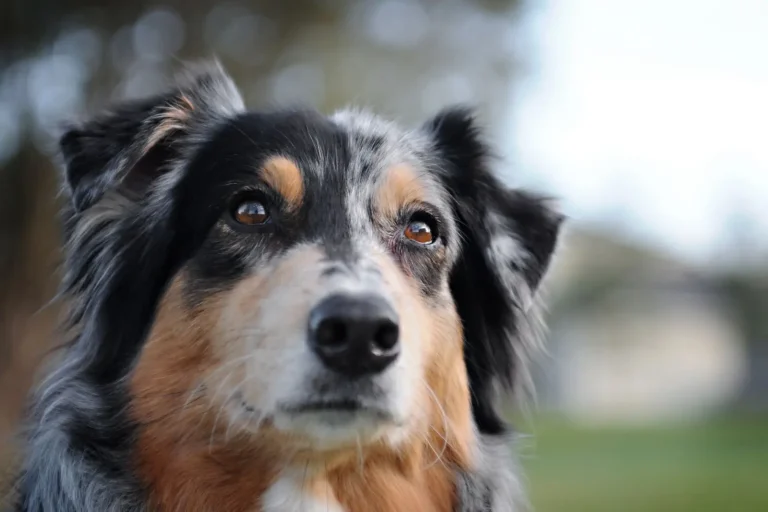

Living with an Australian Shepherd in Perth presents a particular set of challenges that don’t always appear in breed descriptions. After years of working with these dogs in this climate, I’ve noticed patterns that emerge quickly but often catch new owners off guard. The breed’s intelligence and work drive are real, but they manifest differently depending on how much structure and outlet you can actually provide in a suburban or urban setting.
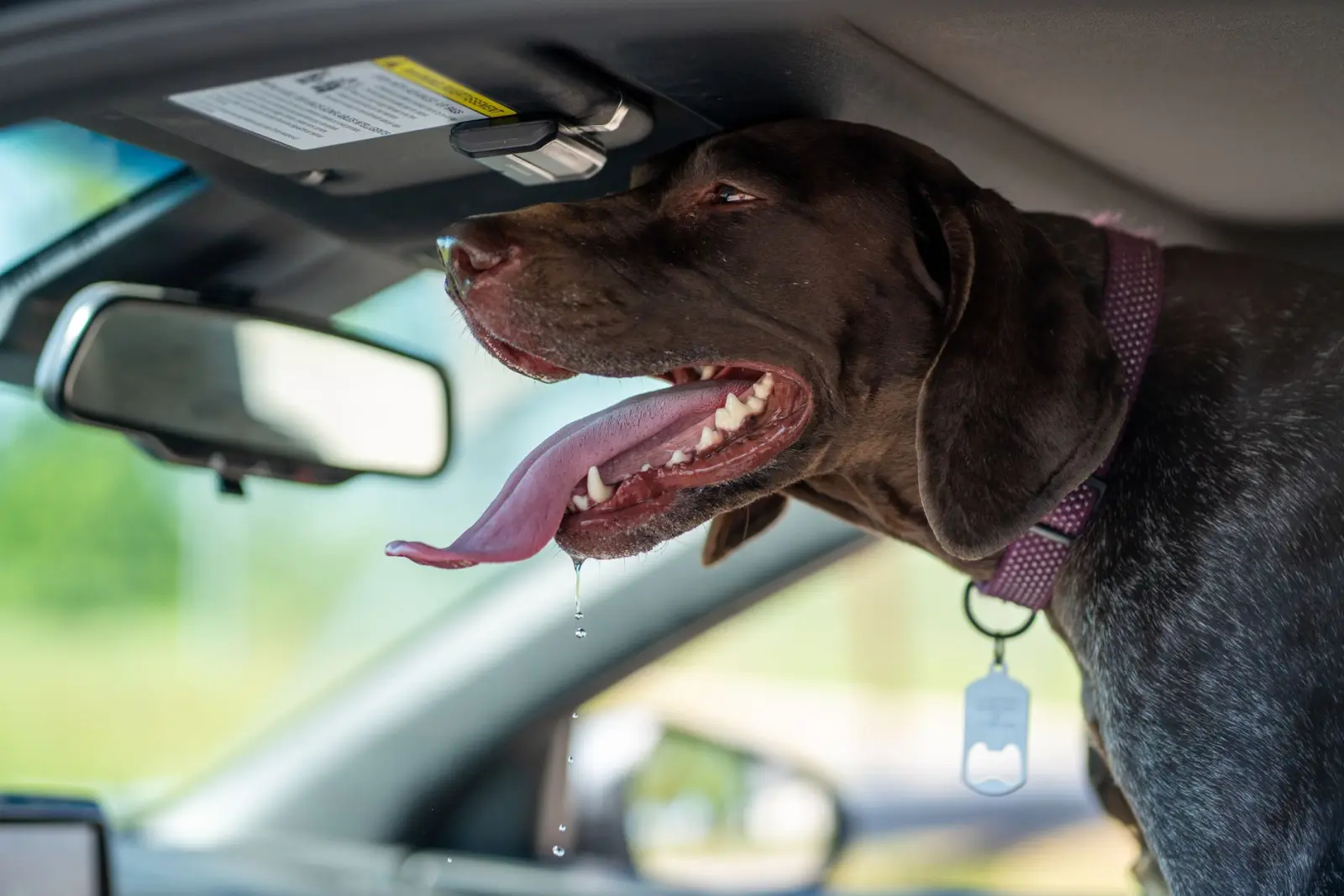
Perth’s heat is the first thing that changes how you manage an Aussie. These dogs have a double coat designed for cooler climates with variable temperatures, not sustained 35-degree days. During summer, you’re not just dealing with a dog that gets warm – you’re managing an animal that struggles to regulate body temperature efficiently and becomes genuinely stressed by prolonged heat. I’ve seen owners who thought their air-conditioned home was sufficient discover their dog still paces, pants excessively, and shows signs of heat anxiety even indoors. The coat doesn’t shed once a year here; it sheds almost continuously, and during high heat, the shedding accelerates as the dog’s body tries to cool itself.
Heat Management Goes Beyond Shade and Water
The practical reality is that you need to adjust your entire routine around temperature. Morning and evening walks become non-negotiable, not optional. A 10-minute walk at midday can genuinely stress an Aussie’s system, even if they seem willing. Their paws burn on hot pavement faster than you’d expect. I’ve had owners tell me their dog seemed fine, then noticed limping or reluctance to walk the next day – the pads were damaged from brief exposure to scorching ground.
Cooling isn’t just about comfort; it affects behavior. An overheated Aussie becomes irritable, less responsive to training, and more prone to destructive behavior indoors. They’re not being difficult – they’re genuinely uncomfortable. Many behavioral issues I’ve observed in Perth-based Aussies during summer months resolved once owners shifted their expectations and activity patterns. A dog that seems stubborn or hyperactive at 2 p.m. in January might be a completely different animal at 6 a.m. or after sunset.
Some owners invest in cooling vests or mats, and these do help, but they’re not a replacement for reducing heat exposure. Clipping the coat shorter is tempting and sometimes necessary for relief, but it removes the insulation that actually helps regulate temperature. A full coat, kept clean and mat-free, is generally more effective than a short one in Perth’s climate, even though it seems counterintuitive.
Mental Work Demands Consistency
Australian Shepherds were bred to work livestock all day. That genetic drive doesn’t disappear because they live in a suburban backyard. In Perth, where many owners have decent-sized properties, there’s often an assumption that space equals sufficient stimulation. It doesn’t. I’ve seen dogs with large yards who are far more destructive and anxious than those in smaller homes whose owners actively engage them.
The difference comes down to directed activity. These dogs need jobs, even small ones. Puzzle toys, training sessions, nose work games, or structured play with rules – not just free running. Without this, they tend to create their own jobs, which often means digging, fence-running, or obsessive behaviors. A bored Aussie doesn’t just sleep; they develop habits that are hard to break.
Training is essential, but it has to be consistent. These dogs are highly responsive to structure, which is both an advantage and a trap. If you establish a routine and then stop, they notice immediately. I’ve observed that owners who do 15 minutes of focused training five days a week see far better behavior than those who do sporadic longer sessions. The consistency matters more than the duration.
Social Needs and Reactivity
Aussies are often described as loyal and bonded to their family, which is accurate. What’s less commonly discussed is that this can tip into over-attachment and reactivity if not managed early. In Perth’s urban and suburban areas, where dogs encounter each other regularly on walks and in parks, I’ve noticed that Aussies can develop reactive behavior more readily than some other breeds if socialization isn’t ongoing.
This isn’t aggression in most cases; it’s excitement and boundary confusion. An Aussie who hasn’t been regularly exposed to other dogs in controlled settings can become frustrated or overstimulated when they encounter them. They want to interact but don’t have good off-switch skills. Early, consistent socialization helps, but it needs to continue throughout their life, not just during puppyhood.
Living in Perth often means access to dog parks and beaches, which is valuable. However, the environment matters. A quiet, well-managed dog park is useful for an Aussie. A chaotic one can reinforce reactive patterns. I’ve found that owners who are selective about where they take their dogs see better outcomes than those who rely on any available space.
Grooming and Coat Management
The shedding isn’t just an aesthetic issue. In Perth’s heat, a matted or poorly maintained coat traps moisture and heat against the skin. Regular brushing isn’t optional maintenance; it’s part of heat management. During peak shedding months, daily brushing is realistic if you want to keep the dog comfortable and your home manageable.
Professional grooming helps, but it’s not a substitute for home maintenance. Some owners get their Aussie groomed every six weeks and expect that to handle shedding. It doesn’t. The coat grows back quickly, and between appointments, mats form and dead hair accumulates. I’ve seen dogs develop skin issues not from the breed’s predisposition but from poor coat maintenance in a hot climate.
Bathing frequency is another area where Perth’s conditions matter. These dogs don’t need frequent baths, but they do benefit from rinsing after hot days or dusty play. Some owners avoid bathing because they think it removes coat oils, which is true to a point, but a quick rinse with cool water is different from a full shampoo bath. The cooling effect is genuine relief for an overheated dog.
Living with an Australian Shepherd in Perth works well when you accept that their needs are season-dependent and that mental engagement matters as much as physical exercise. These dogs thrive on structure, consistent activity, and owners who understand that their intelligence can become a liability if it’s not channeled. The heat is real and demands respect. The breed’s drive is real and demands outlet. When both are managed thoughtfully, they’re excellent companions. When either is overlooked, problems develop quickly.