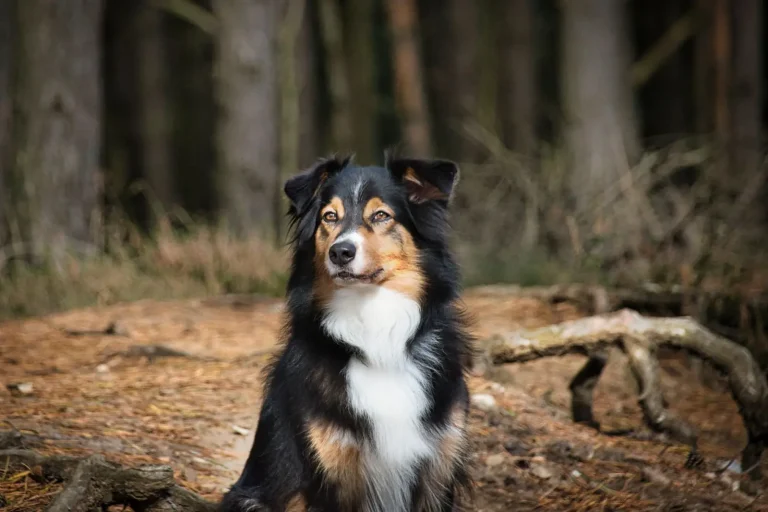

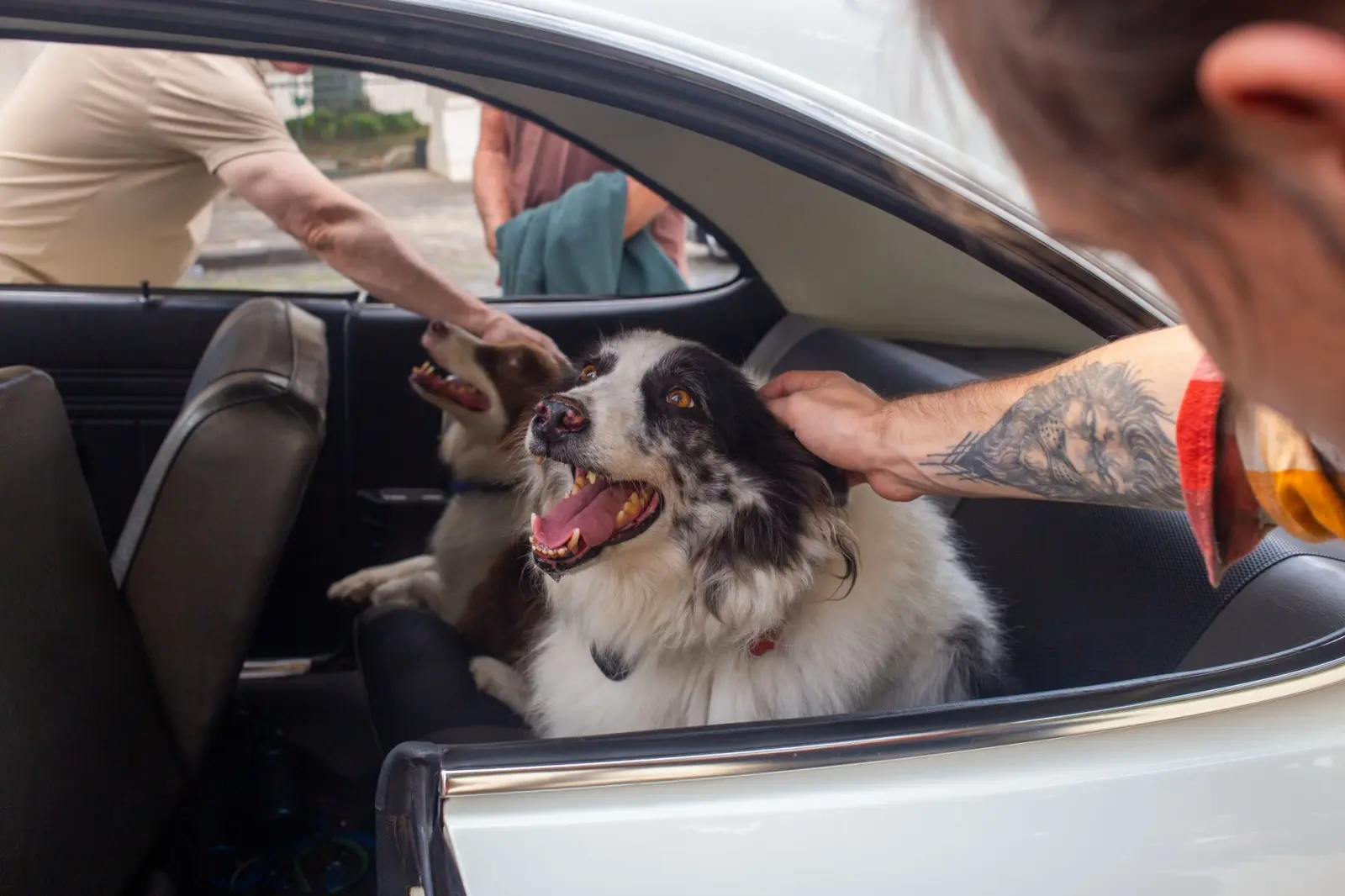
Traveling across Australia with an Australian Shepherd presents a specific set of challenges that don’t always align with what you’d encounter taking the same dog on a road trip through temperate climates. I’ve spent considerable time moving Australian Shepherds between states and across longer distances, and the experience reveals patterns that matter more than most people anticipate before they start.
The first thing that becomes apparent is that these dogs were not designed for Australian heat, despite their name. An Australian Shepherd is actually an American breed developed for herding in cooler mountain regions. When you’re traveling through inland Australia or the Northern Territory during warmer months, you’re asking a dog with a thick double coat to function in conditions it has no evolutionary adaptation for. This isn’t a minor inconvenience – it changes how you plan almost every aspect of the journey.
The vehicle itself becomes your primary tool for managing temperature. A standard car with air conditioning works, but it requires discipline. You cannot leave an Australian Shepherd unattended in a parked vehicle, even for ten minutes in mild conditions. I’ve seen dogs overheat remarkably quickly, and an Australian Shepherd’s coat works against them in this scenario. If you’re stopping frequently for fuel, food, or sightseeing, you need either a travel companion who stays with the dog or a plan that doesn’t involve leaving the vehicle. Many people traveling solo discover this limitation the hard way.
Vehicle Setup and Long Stretches
The setup inside the vehicle matters considerably. A crate takes up space but provides security during stops and gives the dog a defined area. Without it, a stressed or overheated dog can move around unpredictably while you’re driving, which creates its own hazards. The crate should be positioned where airflow reaches it – not in direct sun through a rear window. Window shades help, but they also reduce visibility and can feel claustrophobic to the dog.
Water access during driving is tricky. A bowl that tips easily becomes useless within the first hour. Some people use hanging water bottles designed for small animals, but Australian Shepherds are medium-sized dogs and will drain these quickly. I’ve found that offering water during planned stops every two to three hours works better than trying to solve it while moving. Dehydration is a real risk, and you need to monitor urine color and general alertness as indicators.
Long stretches of highway driving can trigger unexpected behavioral issues in Australian Shepherds. These are working dogs with strong herding instincts and a need for mental engagement. Eight hours in a vehicle without activity can make them anxious or destructive. Some dogs develop stress-related behaviors like excessive panting, whining, or attempts to escape the crate. This isn’t always about being uncomfortable – it’s about understimulation. A tired dog is generally a calmer dog, so morning exercise before driving makes a measurable difference. Even a thirty-minute walk or run before you leave helps settle them for the journey.
Heat and Humidity Management
Australia’s humidity in coastal areas compounds the heat problem. An Australian Shepherd’s coat doesn’t shed heat efficiently in high humidity, which means panting becomes less effective as a cooling mechanism. I’ve noticed that dogs traveling during Australia’s summer months show signs of heat stress more readily than you’d expect from the temperature alone. Lethargy, excessive drooling, and reluctance to move are early signals.
Grooming before travel is worth considering, though it’s a trade-off. A full coat provides some insulation against sun exposure, but it also traps heat. Some people have their Australian Shepherds trimmed shorter for travel, which does improve cooling. However, this removes some protection against sunburn and insect exposure. The decision depends on your specific route and timing. Inland desert travel during peak heat might justify a trim. Coastal travel with more moderate temperatures might not.
Stopping points become critical. Rest areas, caravan parks, and towns offer shade and water access. Knowing where these are before you travel reduces stress and prevents situations where you’re stuck in the heat without options. Many Australian towns have parks or rest areas with water facilities. Australian Shepherds also benefit from swimming opportunities when available – rivers, beaches, and water holes provide both cooling and mental stimulation. However, saltwater exposure requires rinsing afterward to prevent skin irritation.
Behavioral Patterns in New Environments
Australian Shepherds are sensitive dogs. They notice changes in routine, unfamiliar sounds, and new environments more acutely than some other breeds. When you’re traveling and stopping at different locations regularly, some dogs become hypervigilant. They may bark at unfamiliar sounds, be reluctant to settle in new spaces, or show signs of anxiety when you leave the vehicle. This isn’t necessarily a problem – it’s normal for the breed – but it requires patience and consistency.
Establishing a routine within the travel routine helps. If the dog knows that after you park, they get water, then a walk, then a rest period, they settle more predictably. The routine itself becomes familiar even when the location changes. I’ve found that dogs traveling for extended periods do better when you maintain feeding times and exercise patterns as closely as possible to what they’re used to at home.
Socialization during travel varies. Some Australian Shepherds enjoy meeting new people and other dogs at stops. Others become more reserved in unfamiliar settings. Neither response is problematic, but understanding your individual dog’s temperament helps you plan interactions appropriately. A dog that’s already anxious in new environments doesn’t benefit from forced social situations at rest stops.
Practical Considerations for Extended Travel
Veterinary access becomes relevant if you’re traveling for weeks or months. Knowing where emergency veterinary clinics are located in the regions you’re visiting provides peace of mind. Australian Shepherds can develop issues like ear infections or skin problems in new climates, and having a plan for accessing care matters more than you’d think when you’re far from home.
Parasite management shifts when you’re traveling across different regions. Tick and flea exposure varies significantly between coastal areas, inland regions, and tropical zones. Your regular preventative medication might need adjustment based on where you are. Local veterinarians can advise on regional risks, and it’s worth checking in with them early in your travels rather than waiting for a problem to develop.
The dog’s diet can be affected by travel stress and new water sources. Some dogs develop loose stools when traveling, which can be triggered by stress, dietary changes, or different water. Bringing adequate food from home and maintaining consistent feeding helps minimize this. Gradual introduction of any new food or water source, if necessary, reduces digestive upset.
Australian Shepherds traveling across Australia for extended periods often settle into the rhythm of travel better than expected. They adapt to vehicle time, new environments, and changing routines more readily than some breeds. The key is managing the heat, maintaining structure, and recognizing that these dogs need mental engagement as much as physical exercise. The journey itself becomes part of their routine, and many adapt well once the initial adjustment period passes. What matters most is honest assessment of your individual dog’s temperament and realistic planning around the specific climate and terrain you’re traveling through.