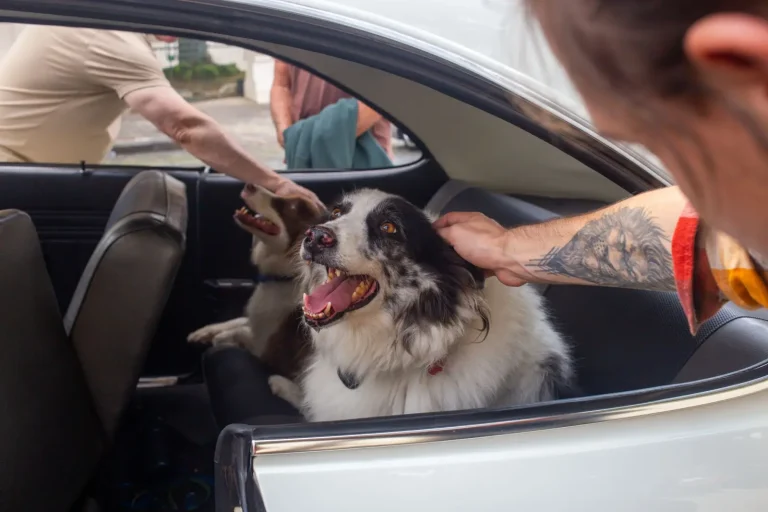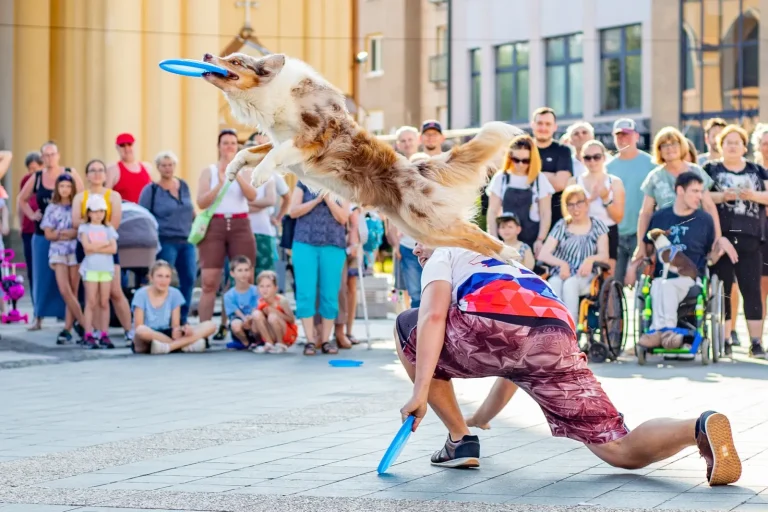


Australian Shepherds on a rainy day present a specific kind of challenge that most dog owners don’t anticipate until they’re living it. These aren’t dogs that settle quietly by the window when the weather turns. They’re bred to work, to move, to problem-solve in real time. When you take away their access to open space and meaningful activity, something shifts in their demeanor within a few hours. I’ve watched this pattern play out across dozens of households: restlessness builds, focus fragments, and by afternoon they’re finding their own entertainment – usually in ways you didn’t authorize.
The real issue isn’t rain itself. It’s the sudden absence of what their nervous system expects. An Australian Shepherd’s brain is wired for task completion and environmental engagement. A typical day involves tracking movement, responding to changes, making decisions. When weather confines them indoors, that entire framework collapses unless you deliberately reconstruct it. This is why generic “tire them out” advice often fails. You can’t just run them in circles in your living room and expect the same neurological satisfaction they’d get from actual work.
Scent Work and Nose Games
This is where I’ve seen the most reliable results, and it’s worth understanding why. Scent work engages a completely different part of the brain than physical exercise. It requires sustained focus, problem-solving, and decision-making. A dog working through a scent puzzle is genuinely occupied in a way that mirrors herding or stock work – they’re searching, analyzing, and responding to environmental information.
The simplest version is hiding treats around the house and letting them search. Not just tossing them on the floor, but actually hiding them in places that require real investigation. Under blankets, inside paper bags, tucked into cardboard boxes. The act of searching – using their nose systematically, moving through space with purpose – occupies them for extended periods. I’ve found that Australian Shepherds will work at this for 30 to 45 minutes without losing interest, which is substantial for an indoor activity on a confined day.
More structured approaches work equally well. Muffin tins with tennis balls covering each cup, treats hidden underneath. Towel rolls rolled tightly with kibble inside. Cardboard boxes filled with shredded paper and scattered treats. The progression matters. Start simple, then gradually increase difficulty as they understand the game. What matters is the sustained mental engagement, not the complexity of the setup.
Training and Skill Work
Rain days are actually ideal for training work that requires focus and repetition. Unlike outdoor activities where environmental distractions multiply, indoor training sessions can be precise and controlled. This is when I typically work on refinement – polishing behaviors that need consistency, teaching new commands that demand concentration, or troubleshooting existing issues.
Short, focused sessions work best. Ten to fifteen minutes of deliberate training, then a break. Australian Shepherds have strong work ethic, but they also notice when they’re not making progress. Repetitive drilling without variation loses them quickly. Better to work on three or four specific behaviors, rotate between them, and keep sessions tight and rewarding. The mental exertion of learning or refining something genuinely new occupies them in ways that mindless repetition won’t.
I’ve noticed that teaching new tricks or commands on rainy days often produces better results than outdoor training. There are fewer distractions, the dog is more focused, and you can work at a deliberate pace. By the end of a solid training session, they’re mentally fatigued in a way that physical exercise alone rarely produces.
Puzzle Toys and Problem-Solving
Commercial puzzle toys have their place, though I’ve found that Australian Shepherds often solve them too quickly for them to be a sustained activity. The real value is in rotating them – using different puzzles on different days so novelty doesn’t wear off. A puzzle toy that held their attention for 20 minutes last week might be boring this week if they’ve already figured out the mechanism.
The ones that work longest are those requiring multiple steps or sustained effort. Toys where they have to move pieces in sequence, or where treats are distributed slowly rather than all at once. Slow feeders designed for meal times can function as extended puzzle activities if you fill them with their regular kibble – it forces them to work for food rather than consuming it in seconds.
What I’ve learned is that puzzle toys work best as part of a rotation, not as the primary activity. Use them for 15 to 20 minutes, then move to something else. The variety itself becomes part of the engagement.
Structured Play and Impulse Control
Games that require rules and impulse control are surprisingly effective on confined days. Fetch in a hallway or basement, with the added element of “wait” before they retrieve. Hide and seek where they search for you or a toy. Games where they have to wait for a release command before moving. These aren’t just physical activities – they’re structured interactions that demand focus and compliance.
The key is that these games have clear parameters. They’re not free-form play. Australian Shepherds actually respond well to structure, to knowing what’s expected. A game with rules keeps their mind engaged in the interaction itself, not just the physical movement.
I’ve found that interactive play with the owner – rather than independent play – tends to hold their attention longer on rainy days. They’re working with you, responding to your cues, anticipating what comes next. That collaborative element matters.
When to Accept Lower Energy
There’s a practical reality worth acknowledging: some rainy days will simply be lower-energy days, and that’s acceptable. Not every moment needs to be optimized for stimulation. A dog that spends part of the afternoon resting, even if they’re not getting their usual outdoor activity, isn’t suffering from one day of reduced exercise. The problem emerges when confinement extends across multiple days or becomes routine without adequate mental engagement.
What I watch for is behavioral change – destructive behavior, excessive vocalization, or obsessive patterns that weren’t present before. Those signal genuine frustration and understimulation. Mild restlessness or occasional boredom is normal. The distinction matters because it determines whether you need to adjust your approach or whether you’re simply managing a temporary situation.
Australian Shepherds are resilient. They’re also intelligent enough to entertain themselves if given the right tools. The rainy day challenge isn’t really about keeping them busy – it’s about providing the kind of engagement their mind actually needs when their body can’t access its usual outlets. Once you understand that difference, managing weather-bound days becomes straightforward.