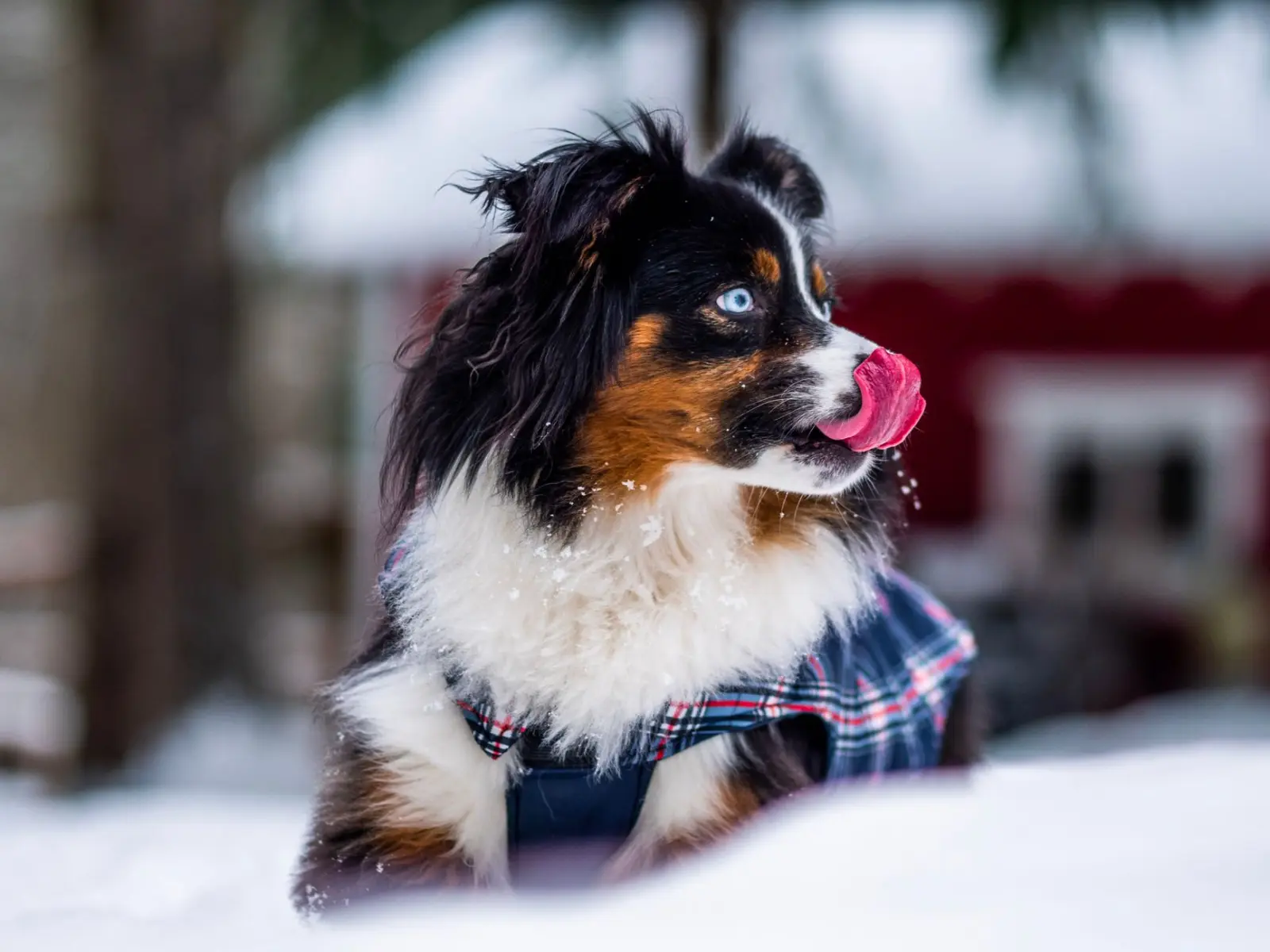
Australian Shepherds are working dogs with brains that rarely stop running. Over years of living with and observing them, I’ve noticed that the moment their mental engine isn’t engaged, they find ways to occupy themselves – often in ways their owners find frustrating. A snuffle mat sits at an interesting intersection for this breed: it’s simple enough to seem almost too basic, yet it addresses something real about how these dogs process the world.
The appeal of a snuffle mat for an Aussie is straightforward on the surface. You hide treats or kibble in the fabric folds, the dog uses their nose to search, and theoretically they settle into focused work. But what actually happens depends heavily on the individual dog’s temperament, age, and what else is happening in their life. I’ve seen snuffle mats become a genuine tool for mental downtime, and I’ve also seen them ignored entirely by dogs who found them boring within minutes.
What makes snuffle mats different for Australian Shepherds compared to other breeds is the intensity of their drive. These dogs were bred to work all day, reading subtle movements and responding to direction. A snuffle mat offers a contained, repetitive task that mirrors some aspects of that work – the focus, the searching, the problem-solving – but it’s a pale shadow of what their nervous system was designed for. This matters because it shapes realistic expectations about what the mat can and cannot do.
How Australian Shepherds Engage With Snuffle Mats
When you first introduce a snuffle mat to an Australian Shepherd, the response often depends on how food-motivated the dog is and whether they’ve had experience with nose work. Dogs that enjoy using their sense of smell tend to catch on immediately. They understand the game quickly and will work through the mat methodically, using their nose to part the fabric and locate treats. I’ve watched Aussies become genuinely absorbed in this task, their focus narrowing in a way that’s visibly calming.
The less common but equally valid response is indifference. Some Australian Shepherds, particularly those with lower food drive or those who prefer active play, will sniff the mat once or twice, decide there’s nothing interesting happening, and walk away. This isn’t a failure of the mat or the dog – it’s simply a mismatch. Forcing engagement rarely works and often teaches the dog that the mat is something to avoid.
There’s also a middle ground I see frequently: the Aussie who engages with the mat but does so in a way that feels more like work than relaxation. They’ll paw at it, flip it around, try to shake it, or attempt to extract multiple treats at once rather than methodically searching. This behavior isn’t wrong, but it suggests the mat alone isn’t providing the settling effect the owner hoped for. These dogs often need additional structure or a different type of enrichment.
Timing and Context Matter More Than the Mat Itself
I’ve learned that snuffle mats work best when they’re introduced at the right moment in an Australian Shepherd’s day. A dog that hasn’t had adequate physical exercise or mental stimulation beforehand will treat a snuffle mat as a distraction from what they actually want to do – which is usually move and engage with their environment. Introducing one to a restless, under-exercised Aussie is like asking someone to read a book when they’re hungry and tired.
The timing shifts as dogs age. Puppies and young adults (under three years) often lack the patience for sustained snuffle work; they want action and interaction. Middle-aged and senior Australian Shepherds, particularly those whose joints or stamina are changing, often find genuine value in the focused, low-impact engagement a snuffle mat provides. I’ve seen older Aussies settle into snuffle work for 20 or 30 minutes, which is a genuine win for both dog and owner.
Weather and season also play a role. On days when an Australian Shepherd can’t get outside for their usual exercise – bad weather, injury recovery, or extreme heat – a snuffle mat can fill a gap. It’s not a replacement for real exercise, but it’s better than nothing, and it can help redirect some of that mental energy toward a contained task.
Quality Variations and Practical Durability
Not all snuffle mats are built the same, and this matters with Australian Shepherds more than with gentler breeds. Dogs with strong jaws and high prey drive can destroy a poorly made mat in minutes. I’ve seen Aussies pull threads loose, tear through thin fabric, and scatter the mat’s contents across the room within their first session. A mat with reinforced stitching, durable fleece or rubber backing, and securely anchored fabric folds holds up significantly better.
The size of the mat is worth considering too. A small mat designed for toy breeds will feel trivial to an Australian Shepherd. They’ll finish it in under five minutes, which doesn’t provide meaningful engagement. A larger mat – at least 24 by 24 inches – gives them more territory to search and extends the activity. Some owners find that a bigger mat also encourages the dog to work more methodically rather than frantically.
Washability is practical but often overlooked. Dogs drool, step in mud, and occasionally have accidents. A mat you can throw in the washing machine is significantly easier to maintain than one requiring hand washing or spot cleaning. Over time, this difference shapes whether the mat becomes a regular tool or something that sits unused because it’s too much hassle to keep clean.
What Snuffle Mats Actually Accomplish
The honest assessment, based on repeated observation, is that snuffle mats provide mental engagement and a sense of focused work for Australian Shepherds – but they’re not a behavioral solution or a substitute for exercise. A dog that’s bored, anxious, or under-exercised won’t be fixed by a snuffle mat. A dog that’s already settled and looking for something to do might genuinely enjoy one.
The real value lies in the consistency of engagement. Unlike toys that lose novelty quickly, a snuffle mat can be used regularly if you rotate the treats or kibble you hide in it. The repetition of the search task seems to have a calming effect on many Australian Shepherds, similar to how a puzzle toy works for other dogs. It’s not excitement or play – it’s focused, low-intensity work.
I’ve also noticed that snuffle mats can be useful during transitions. When an Australian Shepherd is recovering from injury, adjusting to a new home, or dealing with a temporary change in routine, having a consistent, engaging activity can help them process that change without developing anxiety behaviors. The mat becomes a familiar anchor during an unfamiliar period.
For owners managing multiple dogs, a snuffle mat can provide individual attention and engagement without requiring active participation. An Aussie working on a mat is occupied and content, which can create space for you to work with another dog, handle household tasks, or simply have a moment of quiet. That practical benefit shouldn’t be underestimated.
The decision to use a snuffle mat with an Australian Shepherd isn’t about whether it’s objectively “good” or “bad” – it’s about whether it fits your specific dog’s temperament, your household’s routine, and what you’re actually trying to accomplish. Some Aussies will use one regularly and genuinely benefit. Others will ignore it completely, and that’s equally valid. The mat is a tool, not a requirement, and its usefulness depends entirely on the dog on the other end of it.