
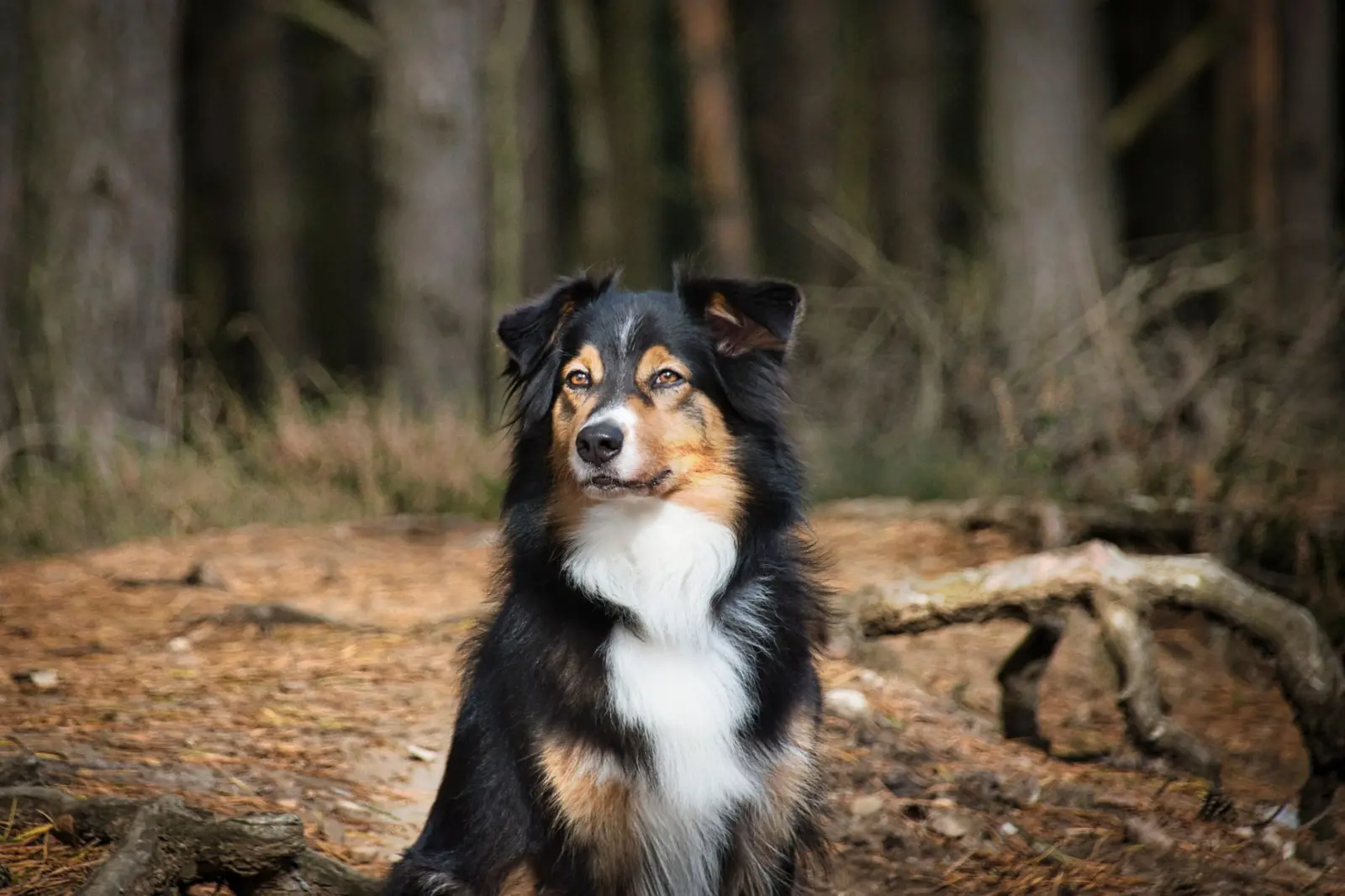
Australian Shepherds on the trail are a different animal than they are at home. I’ve spent enough time hiking with them to know that their reputation for tireless energy isn’t marketing – it’s simply what they are. These dogs were bred to move livestock across rough country for hours, and that instinct doesn’t disappear because you’ve given them a suburban backyard. When you take one hiking, you’re not just exercising a dog. You’re engaging with a working animal that has been shaped by generations of selective breeding for stamina, focus, and the drive to manage movement.
The first thing most people underestimate is the gap between a tired Aussie and a satisfied Aussie. A two-hour hike that leaves a Labrador content might barely take the edge off an Australian Shepherd. I’ve seen owners return from what they thought was an exhausting outing, only to find their dog pacing the house that evening, still restless. This isn’t a flaw in the dog or a sign of poor exercise. It’s the breed. They need both physical exertion and mental engagement to settle. A trail alone, even a demanding one, sometimes isn’t enough.
Reading the Dog on the Trail
What matters most is learning to read your individual dog’s state on the move. Some Australian Shepherds will stay close, checking in frequently and responding to direction. Others develop what I call “trail fixation” – they lock onto the path ahead or a particular scent and lose responsiveness to recall. This isn’t disobedience necessarily. It’s the herding instinct expressing itself. They see movement, terrain, or a task, and their brain prioritizes that over your voice. The dog that is perfectly reliable in a parking lot can become unreachable on a trail with rabbits, deer, or interesting ground cover.
Terrain matters more than distance. A steep, technical trail with loose rock and elevation gain will work an Australian Shepherd harder than a flat, well-maintained path twice as long. Their compact size and quick feet handle rocky ground well, but they also tend to push themselves harder than is wise. I’ve watched dogs with minor joint issues or early arthritis overextend on steep descents because they’re too driven to stop. If your dog is middle-aged or has any history of orthopedic concern, monitor carefully on downhill sections. Their enthusiasm can mask discomfort until damage is done.
Water, Heat, and Coat Considerations
The double coat that makes Australian Shepherds striking also makes them vulnerable in warm weather. Even on a moderate day, they can overheat faster than their behavior suggests. I’ve seen dogs that appeared fine suddenly struggle with heat stress because their coat insulates them too well. Always carry water. Offer it frequently, not just when the dog seems thirsty. On warm days, plan routes with creek crossings or water access. If your dog doesn’t naturally cool off by wading, encourage it. A dog that can dunk itself periodically will manage temperature far better than one that stays dry.
Wet coats present their own problem. An Australian Shepherd that swims or crosses a creek can become heavy and uncomfortable, especially if you’re hours from the trailhead. The coat takes a long time to dry, and a damp dog in cool weather can chill quickly during rest periods. Some owners trim their dogs’ coats before summer hiking season, which is practical if you live in a warm climate. The coat will grow back. A dog’s safety on the trail matters more than maintaining show coat standards.
Managing the Working Drive
Australian Shepherds often try to “work” other hikers, dogs, or wildlife they encounter. This can range from subtle – positioning themselves between you and another dog – to obvious, like nipping at heels or attempting to circle and control movement. It’s not aggression in the traditional sense. It’s the breed’s core function expressing itself. On a busy trail, this behavior can escalate quickly if not managed. A dog that starts to stalk or circle another hiker’s dog needs immediate redirection, not because it’s dangerous, but because the situation can deteriorate if the other dog responds defensively.
The best approach is prevention. Keep your dog close on crowded sections. Use a short leash if necessary, even if your dog is generally reliable off-leash. Practice reliable recall before taking your dog on busy trails. Some Australian Shepherds respond well to having a specific job on the hike – carrying a lightweight pack, for example, or being asked to stay close and “work with” you rather than independently. Giving the working drive a sanctioned outlet often reduces problematic behavior.
Recovery and the Days After
A hard hike doesn’t end when you reach the parking lot. Australian Shepherds can develop soreness or stiffness 24 to 48 hours after intense activity, just like any athlete. A dog that seemed fine immediately after the hike might move stiffly the next morning. This is normal, but it’s worth noting. If stiffness persists beyond a day or two, or if your dog shows reluctance to use a particular leg, it warrants evaluation. Young dogs especially can push through pain because their drive overrides discomfort signals.
The mental component of recovery matters too. A dog that was highly stimulated on the trail might need a quiet day afterward. Some Australian Shepherds will sleep heavily after a demanding hike. Others remain wired despite physical fatigue. Provide a calm environment, limit additional stimulation, and let the dog recover at its own pace. A dog that is mentally fried might be irritable or reactive to normal household activity.
Hiking with an Australian Shepherd works best when you stop thinking of it as simply exercising the dog and start thinking of it as engaging the whole animal – body, mind, and instinct. These dogs are capable of remarkable endurance and focus. They’re also prone to overextending themselves and to expressing their working nature in ways that complicate social situations on shared trails. The owners I know who have the most success with their Australian Shepherds on trails are those who understand the breed’s function, respect its drive, and plan accordingly. It’s not about controlling the dog. It’s about working with what the dog is.