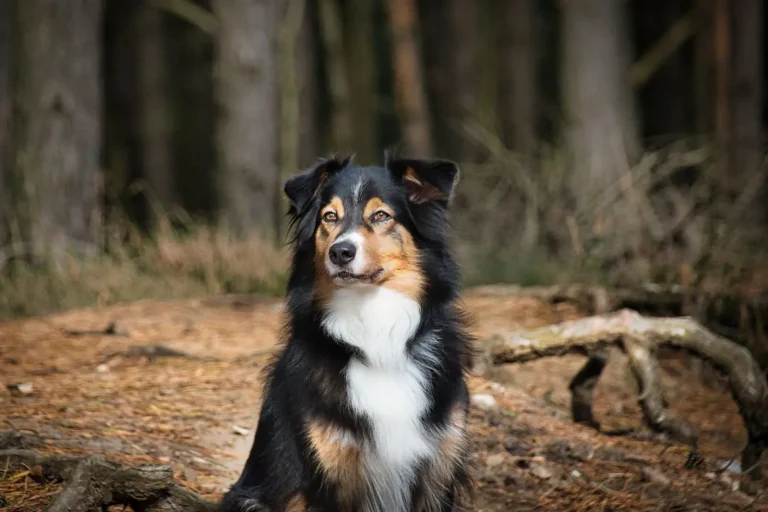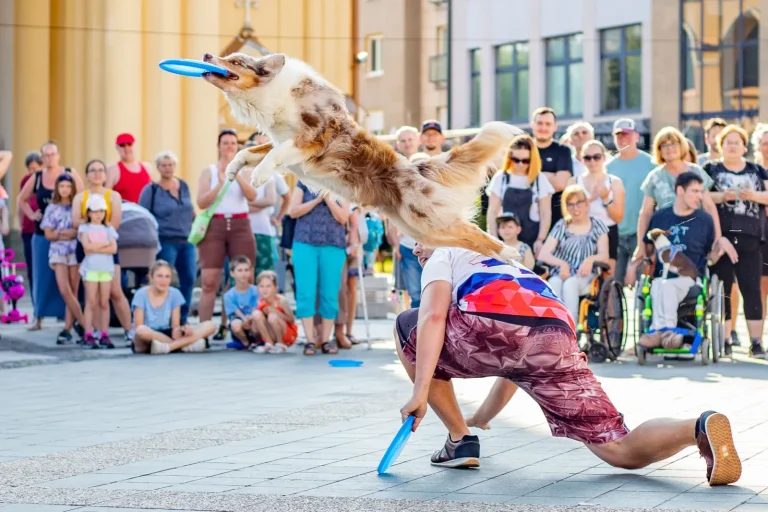

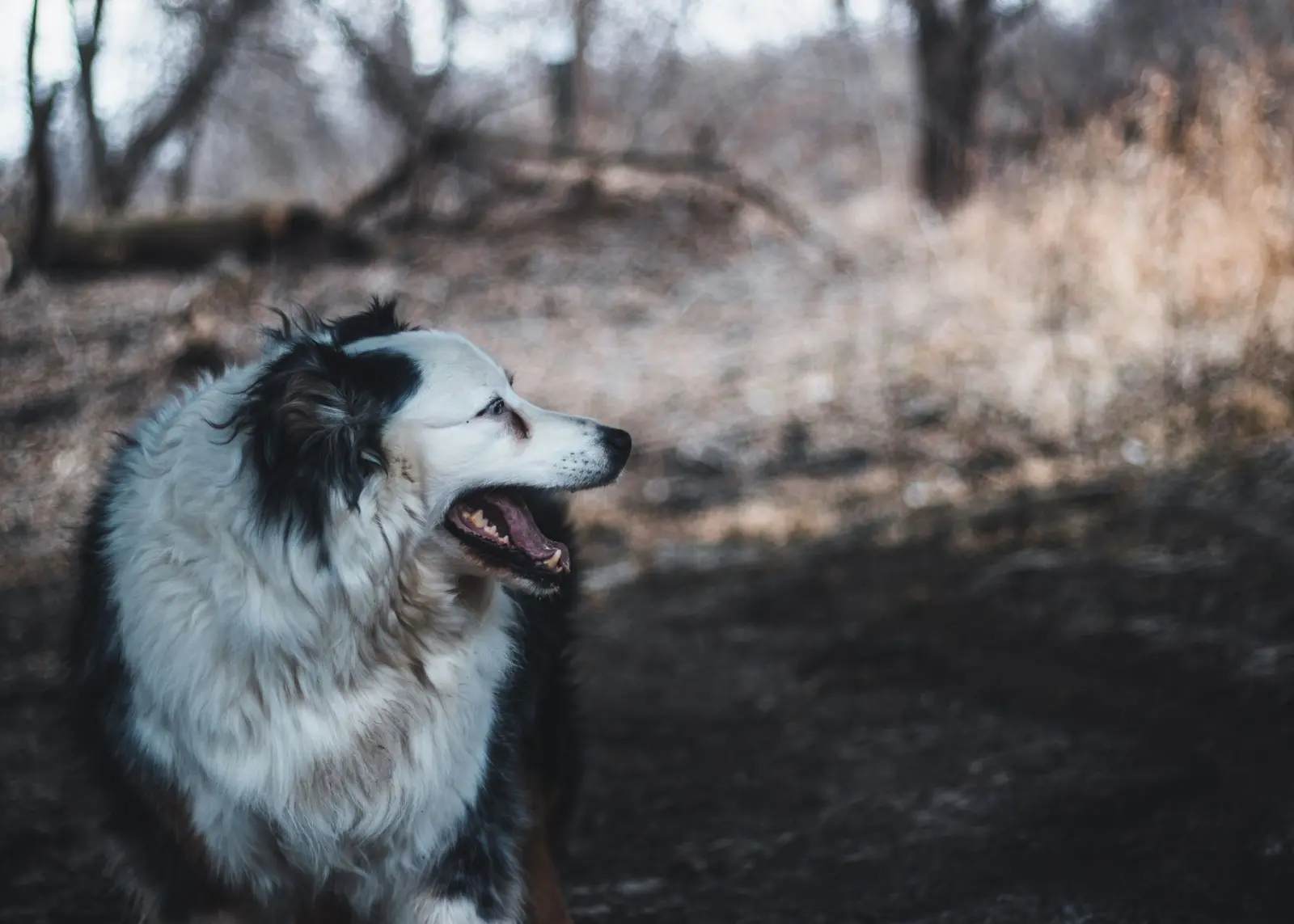
Australian Shepherds don’t settle for a simple loop around the block. After years of working with this breed, I’ve noticed they approach walks differently than most dogs – they’re scanning, planning, and looking for a job to do. A standard walk often leaves them restless, not tired. The physical exertion matters, but what really engages an Australian Shepherd is the mental puzzle of a walk, the sense that they’re doing something purposeful rather than just moving forward.
The core issue is that these dogs were built to work livestock across open country. That instinct doesn’t disappear because they live in a suburban home. When you take an Australian Shepherd out, you’re not just providing exercise; you’re either channeling that drive or leaving it to simmer under the surface. The difference shows up later – in restlessness, in fixating on movement, sometimes in behaviors that seem like misbehavior but are really just an unmet need for engagement.
Walking games bridge that gap. They’re not tricks or formal training. They’re patterns of movement and decision-making that let your dog use their brain and body in ways that feel natural to them. I’ve found that even thirty minutes of this kind of walking does more to settle an Australian Shepherd than an hour of standard pace.
Direction Changes and Unpredictability
The simplest walking game is also one of the most effective: change direction without warning. Not in a harsh or corrective way, but as a natural part of your movement. Stop, turn ninety degrees, and walk the other way. Do it again after a minute. Do it randomly – sometimes after five minutes, sometimes after thirty seconds.
What happens is that your Australian Shepherd has to pay attention to you instead of drifting into autopilot. They’re not herding; they’re tracking your intentions. This mimics the kind of attention they’d give a handler during actual work. I’ve watched dogs transform on walks when this becomes routine. They stop pulling ahead to sniff every spot and start checking in with you, anticipating what you might do next.
The variation matters more than the specific pattern. If you change direction every time at exactly the same interval, they’ll predict it and the engagement flattens. Keep it genuinely unpredictable. Sometimes walk straight for two blocks; sometimes zigzag constantly. The uncertainty is what keeps their mind active.
Controlled Off-Leash Movement
If you have access to a secure area – a fenced field, an empty park, or a property with boundaries – let your Australian Shepherd range further while you move through the space. This isn’t free-roaming; you’re still directing the walk, but you’re giving them room to move laterally, to circle, to make choices about their path while staying within your general direction of travel.
What I’ve observed is that dogs given this kind of space often work harder mentally than they do on a tight leash. They’re managing their own position relative to yours, reading your body language from a distance, and making small decisions about where to go. An Australian Shepherd will often create patterns – circling, checking back, ranging out and returning – that look like herding behavior. That’s exactly what you want. They’re using their instincts in a productive way.
The key is consistency. If you allow this kind of movement some days and not others, or if you’re inconsistent about boundaries, they become confused about what’s expected. Pick a reliable location and a clear set of rules, and they’ll settle into the game quickly.
Scent Work and Ground Searching
Australian Shepherds have a decent nose, though they’re not scent specialists. Still, a walk that includes deliberate scent-searching engages a different part of their brain than herding or directional focus. Hide small treats in grass, under leaves, or in accessible spots along your route. Let them find them. The search itself is the reward, not just the treat.
This works particularly well on days when the weather is cool or when your dog seems mentally tired rather than physically tired. A thirty-minute scent walk can be more settling than a high-speed run because it demands sustained concentration in a narrow, focused way. I’ve used this on days when an Australian Shepherd was anxious or overstimulated – the scent work gives them something concrete to do with their energy.
You don’t need to make it complicated. A handful of treats scattered in an area they can search while you walk nearby is enough. Over time, they’ll anticipate these walks and approach them with real focus.
Pace Variation and Intensity Shifts
Walking at a consistent speed is monotonous for a dog built for variable work. Mix it up: walk slowly for a stretch, then move faster, then stop and stand still for a minute. Alternate between a trotting pace and a casual stroll. This variation mimics the rhythm of actual work – periods of intensity followed by recovery, then back to focus.
I’ve noticed that Australian Shepherds respond well to this because it keeps their arousal level in a productive middle ground. They’re not bored, but they’re also not overstimulated. The changes in pace also give you natural opportunities to practice impulse control – they learn to match your speed rather than pulling ahead or lagging behind.
Obstacle Navigation
If your walking route includes natural obstacles – fallen logs, ditches, slopes, rocky terrain – encourage your dog to navigate them. Don’t force it, but make it clear that you’re going over or around obstacles rather than finding an easier path. Australian Shepherds tend to enjoy this kind of problem-solving. They’ll figure out how to cross a ditch, jump a log, or navigate uneven ground.
This builds confidence and also tires them in a different way than flat-ground walking. The mental engagement of figuring out how to move through space, combined with the physical demand, creates a more complete workout. On terrain-rich walks, I’ve seen Australian Shepherds settle faster than they do on paved routes, even if the paved route is longer.
The practical reality is that walking games aren’t a replacement for structured training or off-leash play, but they’re not meant to be. They’re a way to transform the time you’re already spending outside into something that actually satisfies your Australian Shepherd’s need for engagement. A dog that’s mentally occupied during a walk is a dog that’s less likely to develop problem behaviors at home. After years of working with this breed, I’ve found that the difference between a settled Australian Shepherd and a restless one often comes down to whether their walks are passive or active – whether they’re just moving forward or actually working.