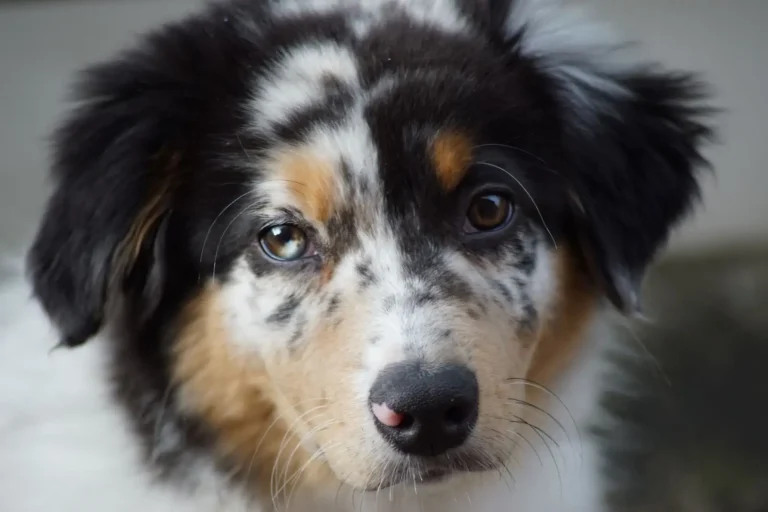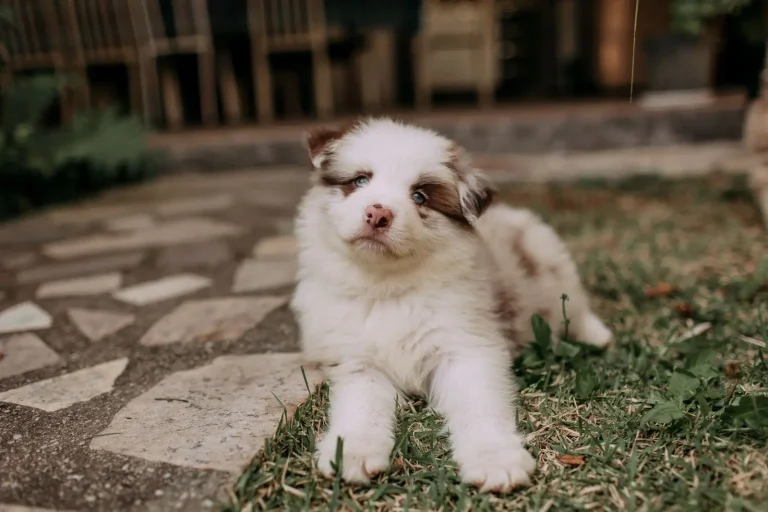


Australian Shepherd puppies are naturally curious and energetic, and the question of when they can safely venture outside comes up almost immediately after a new pup arrives home. The answer isn’t a single date – it depends on several overlapping factors that I’ve watched play out differently across dozens of litters and individual dogs over the years.
The most concrete marker is vaccination status. Most breeders and veterinarians hold puppies back from public outdoor spaces until they’ve completed their core vaccine series, which typically spans 16 weeks of age. Before that point, a puppy’s immune system is still building protection, and exposure to unfamiliar ground where other dogs have been carries real risk. I’ve seen puppies contract parvovirus and distemper, and the outcomes are rarely good. That said, the timing isn’t absolute – your vet’s recommendation based on the specific vaccine protocol used matters more than a calendar date.
What many people don’t realize is that the period between 8 and 16 weeks, when puppies can’t safely visit dog parks or walk neighborhood streets, is actually critical for exposure to different environments. The key is controlling the exposure. Your own yard, even if you don’t own it, becomes the primary training ground during this window. An Australian Shepherd puppy benefits enormously from spending time outdoors in a secure space where you know the vaccination history of any other animals present – or better yet, where there are none.
The Difference Between Your Yard and Public Spaces
There’s a meaningful distinction between letting a puppy explore your own property and taking it to places where unknown dogs have been. Your yard, assuming it’s fenced and you control access, is relatively low-risk even before full vaccination. I’ve introduced puppies as young as 8 weeks to their own outdoor space without hesitation. They need to learn about grass, dirt, different surfaces, weather, and the general sensory experience of being outside. This early exposure shapes their comfort level outdoors for life.
Public spaces – sidewalks, parks, hiking trails, anywhere multiple dogs congregate – are different. Even a brief walk through a neighborhood exposes a puppy to potential pathogens left by other animals. Some owners manage this by carrying their puppies through public areas until vaccination is complete, which allows the dog to see and hear the environment without direct ground contact. It’s not a perfect solution, but it bridges the gap between staying home entirely and full outdoor freedom.
Individual Development Matters as Much as Age
Australian Shepherds mature at different rates, and this affects outdoor readiness in ways beyond just immunity. A confident, bold puppy at 12 weeks might handle a brief outing to a quiet street with ease. A more cautious littermate might find the same experience overwhelming. I’ve noticed that puppies with early exposure to varied stimuli – different sounds, surfaces, people moving around – tend to adapt to outdoor environments more smoothly once they’re vaccinated.
The other consideration is physical development. At 8 weeks, an Australian Shepherd puppy is small and fragile. Its bones are still soft, and its coordination is developing. Short, controlled time in your yard is appropriate. By 12 weeks, most puppies are more robust and can handle longer periods outside, though they still tire quickly and need frequent breaks. The growth plates don’t fully close until around 12 to 18 months, which is why strenuous activity – long runs, jumping – should be limited even after they’re vaccinated and older.
Weather and Ground Conditions
Outdoor conditions matter more than people typically consider. A young puppy’s paw pads are tender and not yet toughened to rough ground. Hot pavement can burn them quickly. Cold, wet conditions expose them to hypothermia risk faster than older dogs. I’ve seen puppies develop sore paws from brief exposure to rough gravel or hot concrete, which then makes them reluctant to go outside at all.
In warmer months, early morning or evening outings work better than midday heat. In winter, even short exposures need monitoring – puppies lose body heat rapidly. These practical details don’t change the vaccination timeline, but they do affect how comfortable and positive those early outdoor experiences become.
Socialization Doesn’t Wait for Full Vaccination
One tension I see frequently is between the need to protect a puppy from disease and the need to expose it to the world during the critical socialization window, which closes around 16 weeks. The window and the vaccination timeline align reasonably well, but they’re not identical. The solution is being selective about what environments you introduce during the pre-vaccination weeks.
Your home, your yard, and the homes of vaccinated dogs you know well are safe spaces for early socialization. Quiet residential streets where foot traffic is minimal and you can control the interaction are manageable. Dog parks, pet stores, and areas frequented by many unknown dogs should wait. This approach lets a puppy encounter different people, sounds, and experiences without the disease risk of high-traffic areas.
Australian Shepherds are working dogs bred to move through varied terrain and respond to different stimuli. They benefit from outdoor time and environmental exposure. The practical answer to when they can go outside is: your own space from week 8 onward, controlled public spaces from around week 12 with caution, and unrestricted outdoor access once vaccination is complete at 16 weeks. Even then, individual temperament and physical maturity should guide how much activity you ask of them.