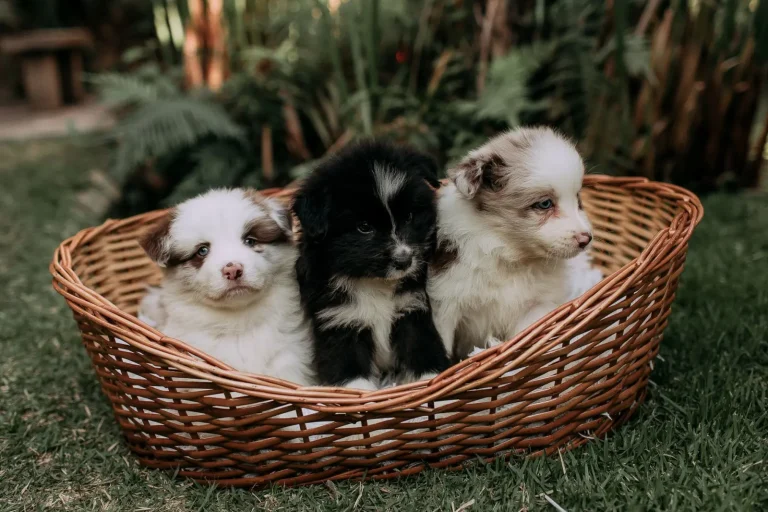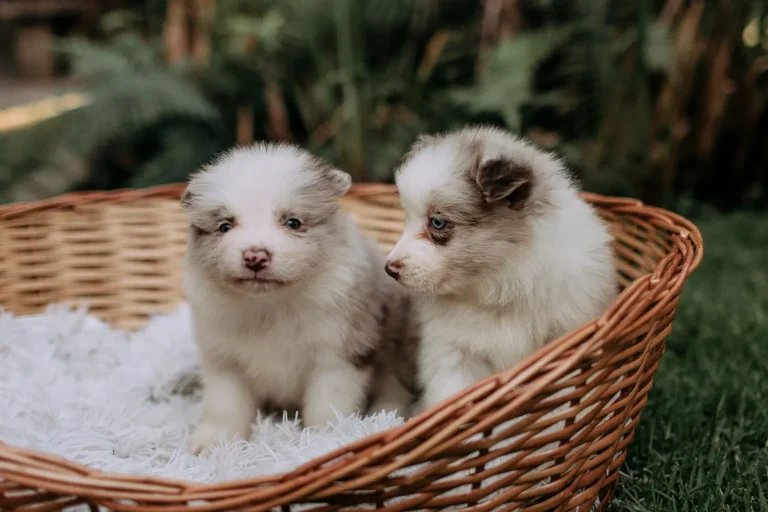

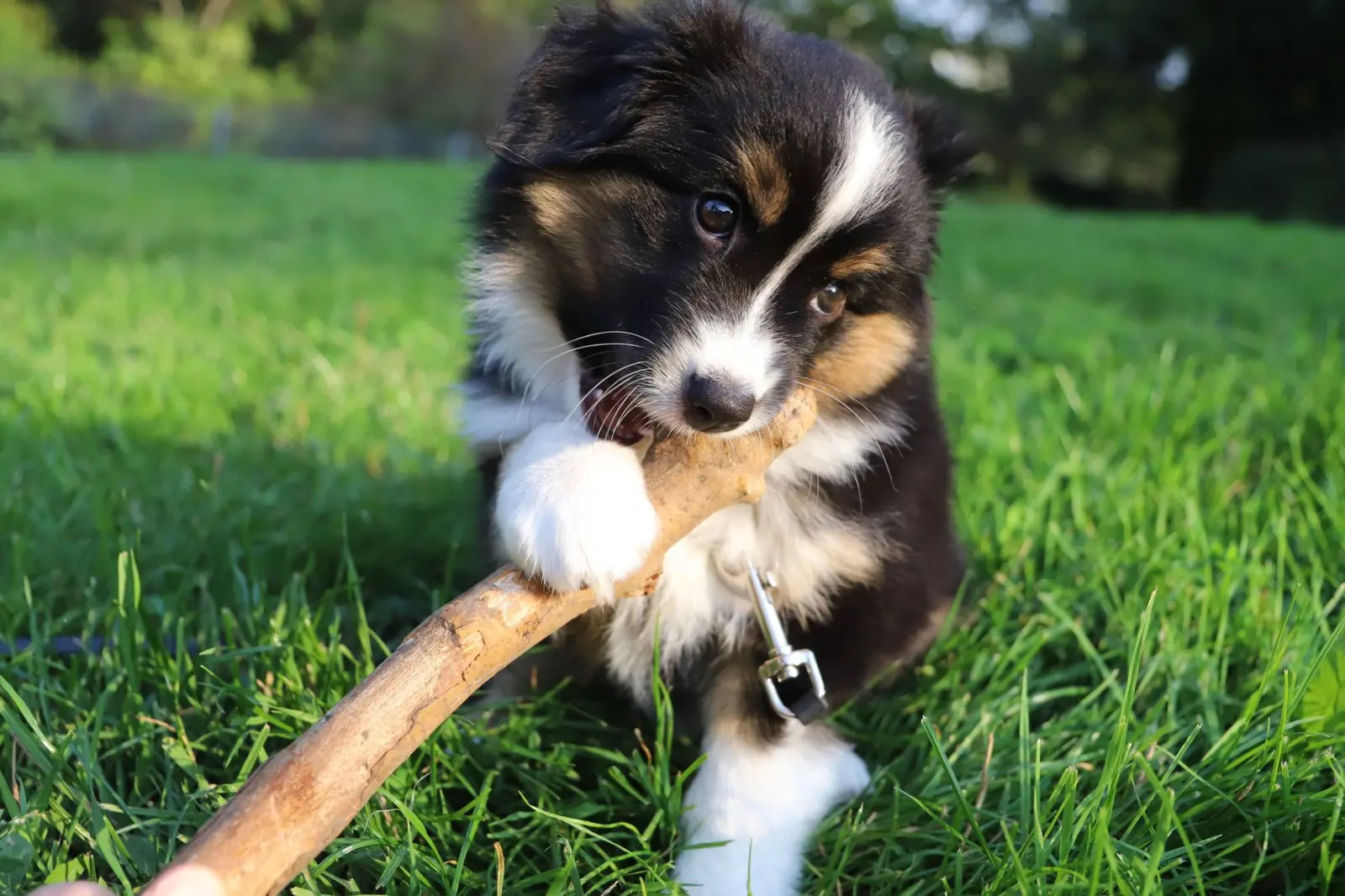
Bringing home an Australian Shepherd puppy is different from bringing home most other breeds. These dogs arrive with a particular intensity – physical, mental, and social – that catches a lot of people off guard. I’ve seen countless owners scramble in the first week because they underestimated what this breed actually demands from day one. The difference between a chaotic first month and a manageable one often comes down to what’s already in place before the puppy walks through the door.
The mistake I see most often is treating the preparation like a generic puppy checklist. People buy a crate, some toys, a food bowl, and think they’re ready. With an Australian Shepherd, that’s the bare minimum, and it’s not enough. These puppies need more mental engagement than most, they’re prone to destructive behavior when bored, and they have specific physical needs that become obvious within days if you’re not prepared.
Crate and Confinement Setup
Start with a crate that’s appropriately sized. Not too large – Australian Shepherds are medium dogs, and a crate that’s too spacious teaches them it’s acceptable to eliminate in one corner and sleep in another. I’ve found a 42-inch crate works well for most adults, but for a puppy, you want something smaller that they’ll grow into, or a divider panel for a larger crate. The puppy will spend real time in this space, so it needs to feel secure, not like a warehouse.
Beyond the crate itself, you need a designated confinement area – a pen or gated section of your home. Australian Shepherd puppies are escape artists and incredibly persistent. A baby gate won’t cut it. I’ve seen puppies vault over standard gates by eight weeks old. You need something sturdy, ideally at least 36 inches high, because these dogs have surprising vertical ability even young. The confinement area should be somewhere you can see them but where they can’t access stairs, electrical cords, or anything toxic. This isn’t punishment; it’s management. These puppies will get into things.
Toys That Match Their Brain
Generic squeaky toys and rope toys are fine for occasional entertainment, but they won’t address what an Australian Shepherd actually needs. This breed was developed to work, to problem-solve, to move livestock with precision. A puppy that inherits that drive will destroy a standard toy in minutes and then move on to your furniture.
Puzzle toys, treat-dispensing toys, and interactive feeders are not luxuries here – they’re necessities. Kong Wobbler toys, snuffle mats, and puzzle boards give the puppy something to work through mentally. I rotate these regularly because novelty matters. A toy that’s interesting on day one becomes background noise by day five if it’s always available. Puzzle toys that require problem-solving keep them engaged longer than toys that just make noise.
Chew toys designed for heavy chewers are essential. Bully sticks, yak chews, and appropriately sized Nylabones give them an outlet for the chewing drive that’s normal at this age. Without proper chew options, they will find yours – your baseboards, your couch legs, your shoes. I’ve seen puppies cause hundreds of dollars in damage in a single day because they weren’t given appropriate alternatives.
Exercise and Training Equipment
A long leash or training line is more important than most people realize. Australian Shepherds have a natural instinct to chase and herd, and a six-week-old puppy will bolt after a bird, a squirrel, or even a leaf blowing across the yard. A 15 or 20-foot training line lets them explore and burn energy while you maintain control. This isn’t about restriction; it’s about safety and building good habits from the start.
You’ll also want a properly fitted collar or harness before the puppy arrives. A harness is often better for puppies because it distributes pressure more evenly and gives you better control without risking neck strain. Get one that fits now, not one they’ll grow into. A loose harness is useless, and an ill-fitting one can cause discomfort during the critical early weeks when you’re establishing routine.
Food, Water, and Feeding Supplies
Find out what the breeder or shelter has been feeding the puppy and have that exact food on hand before you bring them home. Switching foods immediately causes digestive upset, and you don’t want to be dealing with that while also managing a new puppy in your home. If you plan to change food, do it gradually over seven to ten days, mixing increasing amounts of the new food with the old.
Get stainless steel or ceramic food and water bowls. Plastic holds bacteria and odors, and many puppies develop sensitivities to it. Elevated feeders can help with digestion and are easier on the puppy’s neck and joints as they grow. You’ll also need a water bottle or bowl for outside – Australian Shepherds can overheat, especially during play, and constant access to water matters from day one.
Treats for training should already be selected and on hand. Small, soft treats work best for puppies because they swallow quickly and you can deliver rewards rapidly during training sessions. Hard treats take too long to chew, and the training window closes while the puppy is still working on the reward.
Grooming and Health Basics
Australian Shepherds shed. Not occasionally – constantly. Have a good vacuum already in place, and consider a grooming tool suited to their double coat. A slicker brush and undercoat rake will become your regular tools. Starting grooming early, even when there’s not much coat to work with, gets the puppy accustomed to handling. This matters because their coat will need regular maintenance throughout their life.
Stock basic first aid supplies: gauze, antiseptic, tweezers for splinters, and nail clippers. Puppies get minor cuts and scrapes, and having supplies ready means you can address them immediately rather than scrambling to find a store open at nine at night. A thermometer is useful too, though you’ll likely use it rarely.
Have contact information for a veterinarian before the puppy arrives. Schedule a first appointment within the first few days. You’ll need records of any vaccinations the puppy has already received, and the vet will want to establish baseline health. Don’t wait on this.
Environmental Preparation
Walk through your home as if you’re a curious, energetic puppy. Get down to their eye level. Electrical cords, toxic plants, small objects they could swallow, anything within reach is a potential problem. Australian Shepherd puppies are not just curious – they’re thorough. They will find the one thing you missed.
Make sure you have a safe outdoor space. A securely fenced yard is ideal, but if you don’t have one, you need a plan for safe outdoor time. These puppies need to be outside regularly, and they need it to be supervised. A puppy that escapes or gets loose is a puppy in danger.
Prepare a sleeping area separate from where you want them to sleep long-term if that’s your plan. Many people crate puppies at night initially, then transition them to sleeping in the bedroom or elsewhere as they mature. Whatever your approach, have it set up before they arrive. Puppies need consistency, and changing the sleeping arrangement in the first week creates confusion.
The reality of preparing for an Australian Shepherd puppy is that you’re setting up systems, not just buying things. The crate, the toys, the equipment – these are all part of a structure that helps a naturally intense, intelligent puppy learn what’s expected and develop good habits. What you have ready in those first days shapes how the next weeks unfold. I’ve seen the difference it makes.