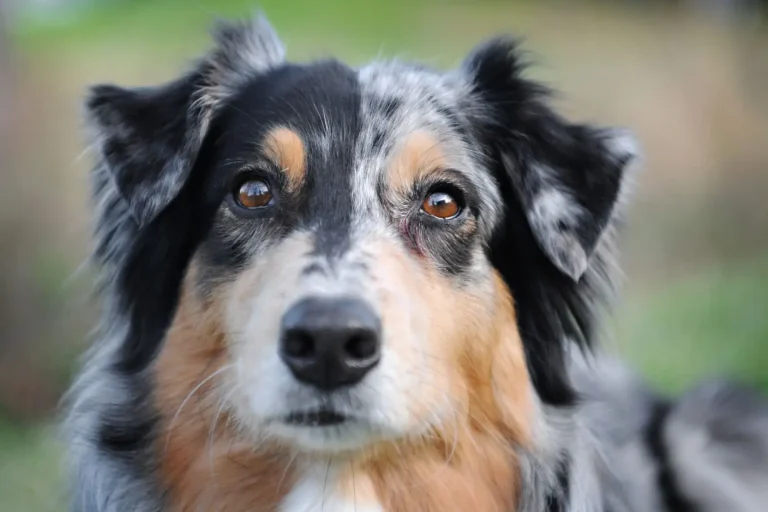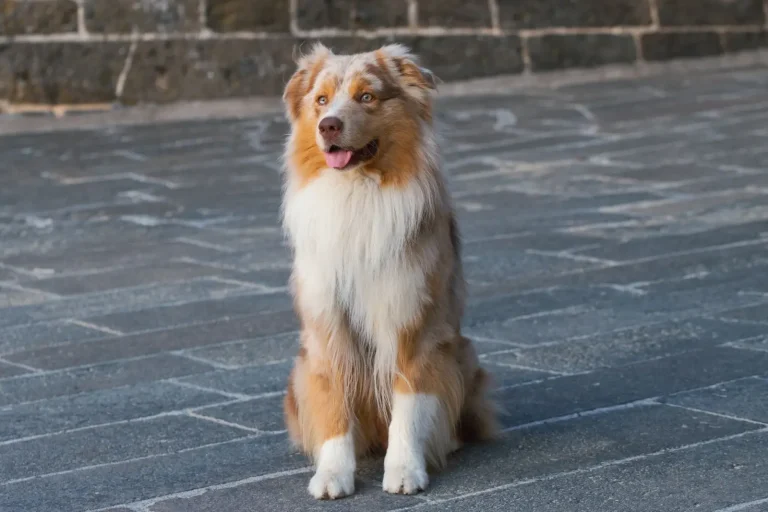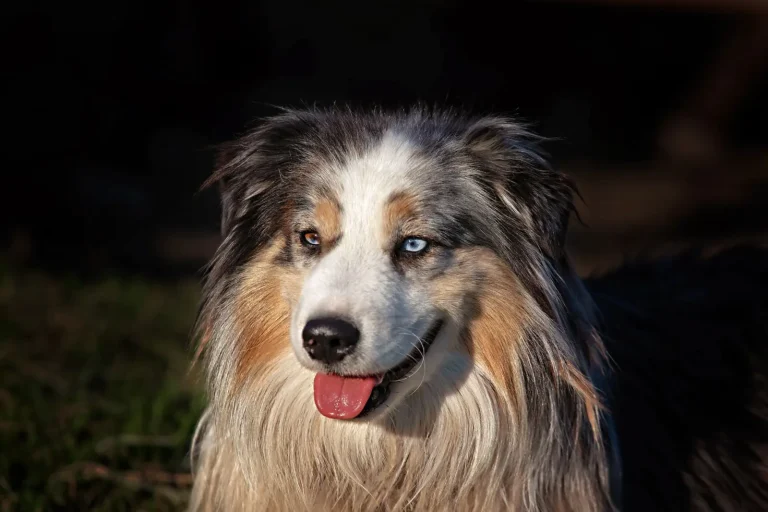

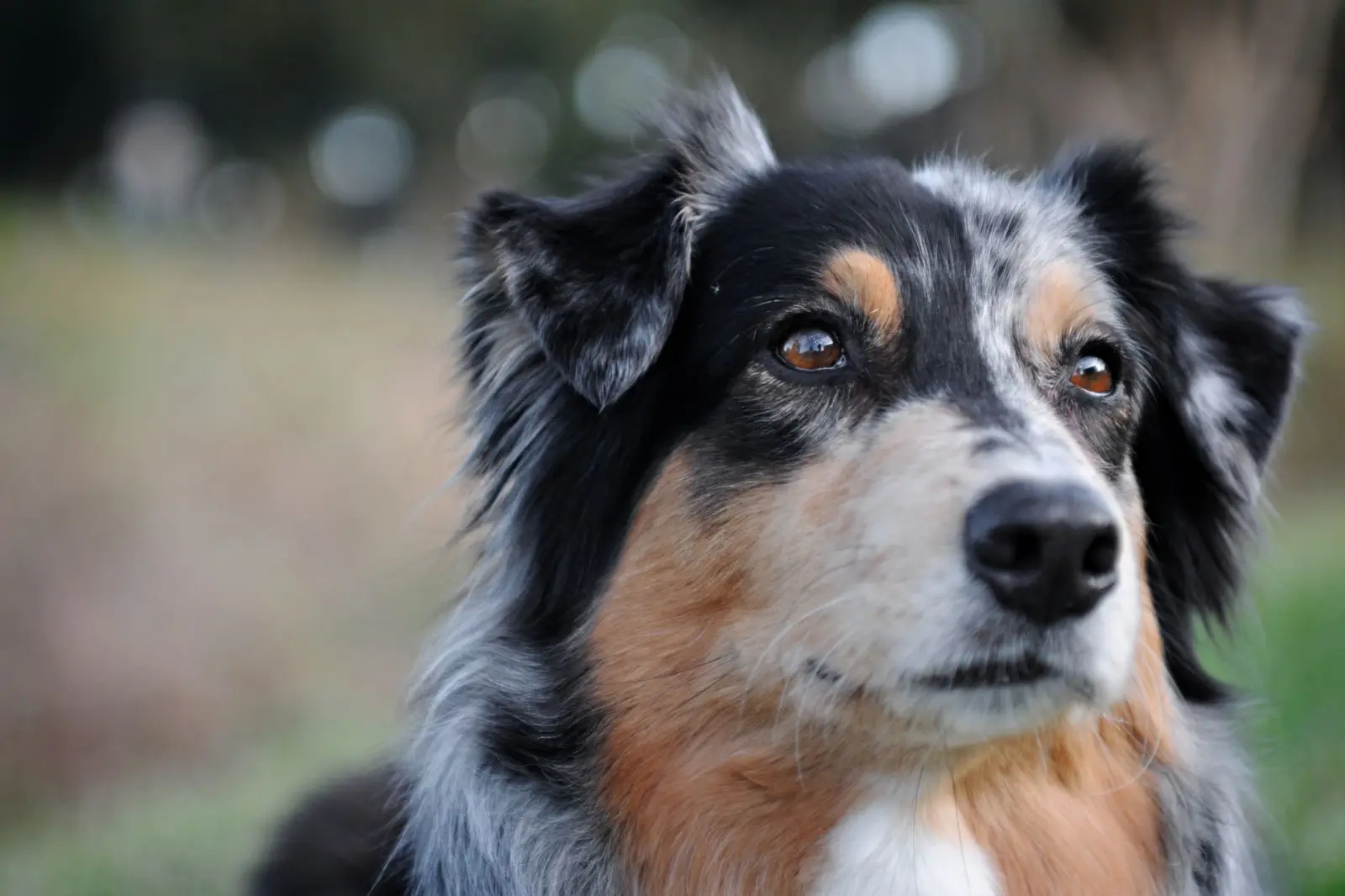
Australian Shepherds shed. Not occasionally, not seasonally in a mild way – they shed regularly, and anyone considering one needs to understand what that actually means in a home. I’ve worked with enough of these dogs to know that shedding is one of the most common reasons people either adapt their expectations or, frankly, struggle with ownership. It’s not a flaw in the breed; it’s simply how their coat works.
The breed has a double coat, which is the primary driver of the shedding behavior. The outer coat consists of longer guard hairs, while the undercoat is dense and soft. Both layers shed, and both layers grow back. This isn’t a coat that sheds in one dramatic spring molt and then stops. Instead, Australian Shepherds maintain a fairly constant level of hair loss year-round, with noticeable increases during transition periods.
What I’ve observed consistently is that owners often underestimate the volume. It’s not just a few hairs on the couch – it’s enough that you’ll find it in corners, on clothing, mixed into food if you’re not careful, and embedded in furniture. The hair is fine and tends to accumulate rather than sit visibly on surfaces until you run your hand across something. That’s when the reality hits.
Seasonal Patterns and Intensity
There are two main shedding seasons when the volume increases noticeably. Spring and fall are when Australian Shepherds “blow their coat,” a period lasting anywhere from two to four weeks where the undercoat releases in larger quantities. During these times, brushing becomes essential – not optional, essential. I’ve seen dogs that weren’t brushed during these periods develop matting and skin irritation simply because the old coat wasn’t being removed efficiently.
The spring shed tends to be heavier than fall in most dogs I’ve worked with. This makes sense biologically: they’re shedding the heavier winter coat to prepare for warmer months. The fall shed is the reverse process, but it often feels less dramatic. Temperature, daylight hours, and even indoor heating and cooling cycles influence the timing and intensity. A dog kept in a climate-controlled environment year-round may shed more evenly throughout the year rather than in distinct seasons.
What Brushing Actually Does
Regular brushing doesn’t stop shedding – that’s a misunderstanding I encounter often. What it does is remove loose hair before it ends up on your floor, furniture, and clothes. A slicker brush or undercoat rake used two to three times weekly during normal shedding periods, and daily during heavy shedding seasons, makes a tangible difference in how much hair you’re managing in your living space.
The brush pulls out hair that’s already detaching from the skin. If you skip this step, that hair will shed anyway – it just happens passively instead of actively. Some people find that consistent brushing actually reduces the overall shedding they notice because they’re removing it before it disperses. Others find that brushing itself seems to trigger more shedding, but that’s because the brush is doing its job; the hair was going to shed regardless.
I’ve also noticed that dogs with poor nutrition or underlying skin conditions tend to shed more noticeably and sometimes excessively. A healthy coat sheds within normal parameters. A dry, flaky, or irritated coat sheds more profusely. If an Australian Shepherd suddenly increases shedding beyond their baseline, it’s worth examining diet, hydration, and skin health before assuming it’s just the breed.
Managing the Reality
People who live successfully with Australian Shepherds typically accept shedding as part of ownership rather than fighting it. They invest in a good vacuum, lint rollers become household staples, and they adjust their clothing choices accordingly. Dark clothing shows less hair than light clothing. Leather or vinyl furniture is easier to manage than fabric. These aren’t workarounds for a problem – they’re practical accommodations.
The frequency of bathing can influence shedding too. Over-bathing dries out the skin and coat, which can increase shedding. Most Australian Shepherds do fine with bathing every four to six weeks, or less frequently if they’re not particularly dirty. When you do bathe them, using a high-velocity dryer after shampooing can blow out loose undercoat more efficiently than air drying, which some people find helpful during shedding seasons.
Grooming tools matter more than many people realize. A cheap slicker brush or a comb won’t penetrate the undercoat effectively. An undercoat rake or a proper double-sided slicker brush designed for double coats actually removes the loose hair. Spending money on decent grooming tools is one of the few investments that directly reduces the amount of hair you’re managing.
Professional grooming is another option, though it’s not necessary for the breed. A groomer with experience in double-coated breeds can do a thorough undercoat removal that’s more intensive than most home grooming. Some people do this quarterly or during heavy shedding seasons. It’s an expense, but it’s worth considering if shedding is genuinely overwhelming.
One thing I’d note: if someone is allergic to dogs, an Australian Shepherd is not a good choice, regardless of grooming. The shedding is too consistent, and the hair carries dander. There’s no way to groom around that reality. Some people hope that frequent bathing and brushing will solve an allergy problem, but it won’t. The breed simply isn’t compatible with dog allergies.
Australian Shepherds are wonderful dogs with stable temperaments and genuine intelligence, but they come with a shedding commitment. Understanding that upfront, accepting it, and planning accordingly makes the difference between someone who thrives with the breed and someone who becomes frustrated. The shedding itself isn’t a sign of poor health or poor care – it’s just how the breed functions.