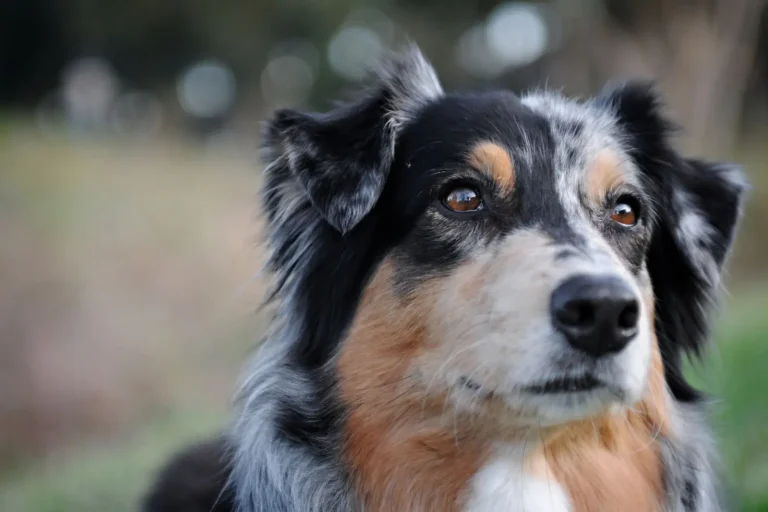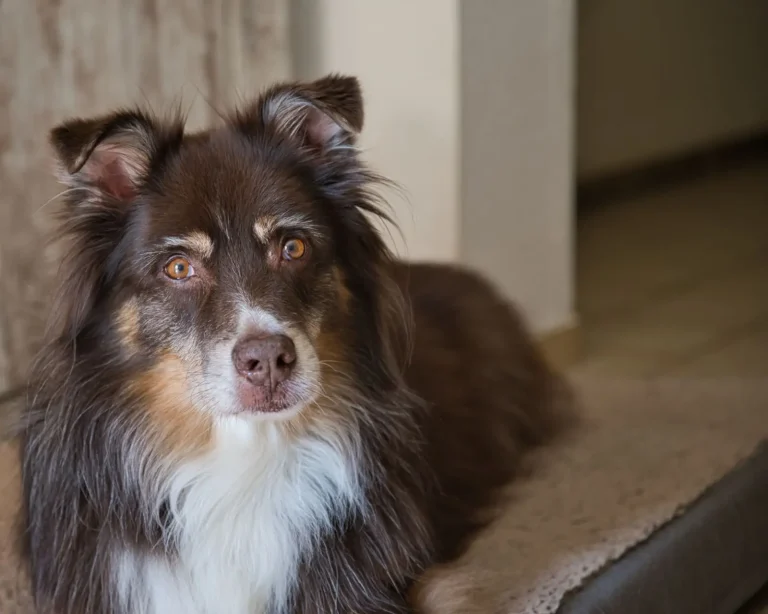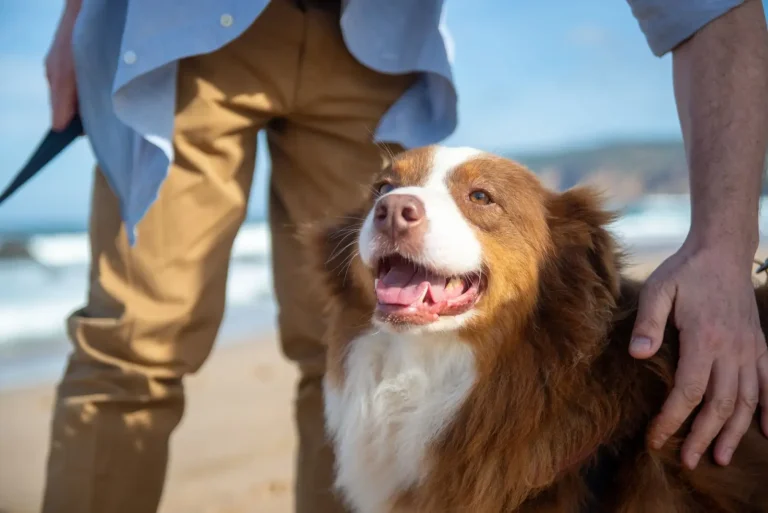

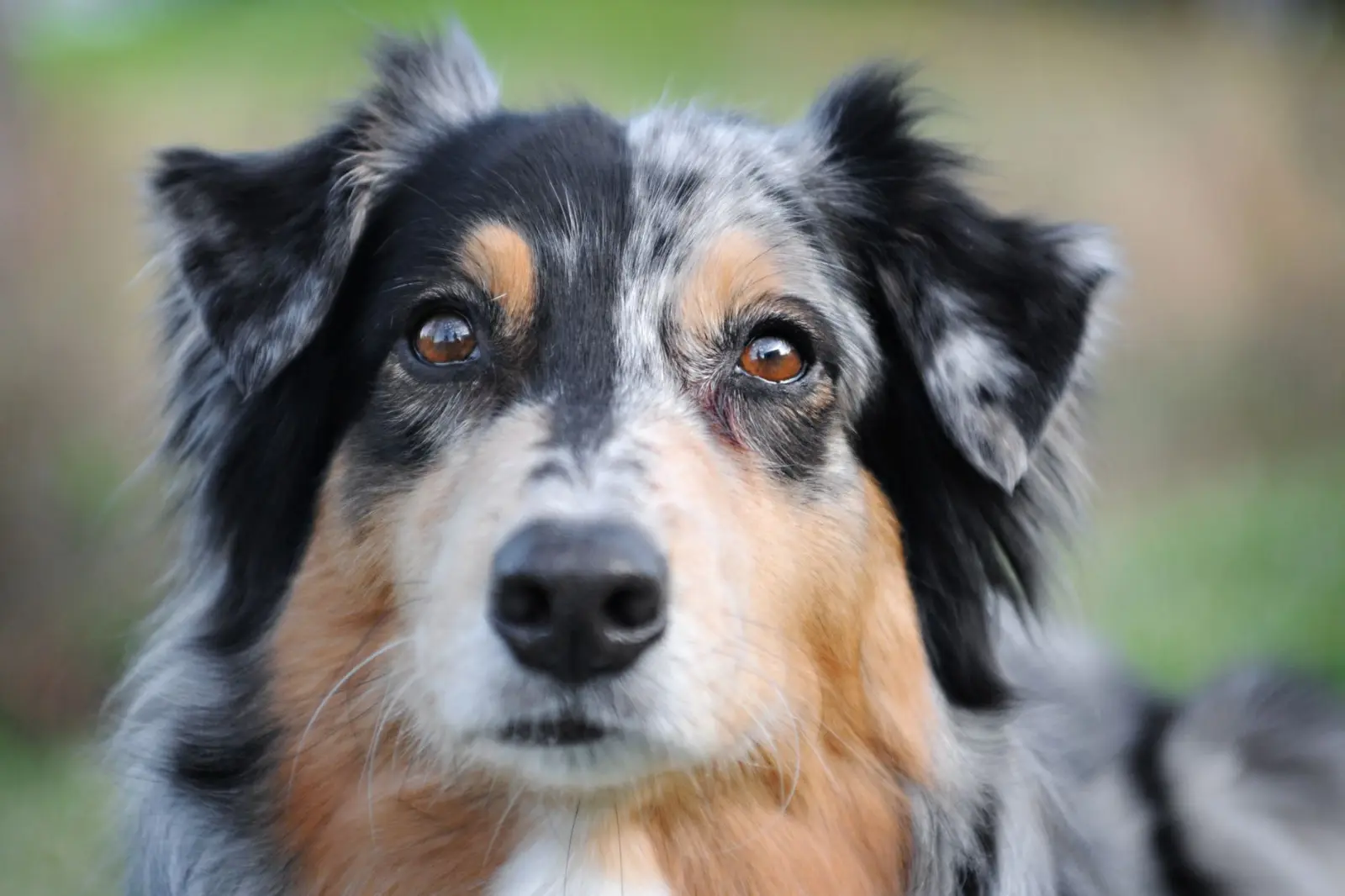
Australian Shepherds have a particular way of moving through the world. They notice everything, process it quickly, and then look for the next thing. After years of working with this breed, I’ve learned that generic enrichment rarely satisfies them for long. They need activities that engage their problem-solving instinct and their drive to work, not just activities that keep them occupied. The difference matters more than most people realize.
What I’ve found is that the most effective enrichment for an Australian Shepherd isn’t necessarily the most elaborate or expensive. It’s the kind that taps into what they were actually bred to do: move livestock with precision, make quick decisions, and respond to subtle changes in their environment. When you build enrichment around those instincts, you see a different level of engagement. They settle differently afterward too. There’s a satisfaction that comes from using their brain in the way it was designed to work.
Scent Work and Nose Games
Scent work is one of the few activities that genuinely tires an Australian Shepherd’s mind in a way that physical exercise alone cannot. I’ve watched dogs who seemed restless and reactive calm down noticeably after twenty minutes of focused scent work. The breed has decent olfactory capability, and more importantly, they have the focus to sustain a search task without losing interest halfway through.
The simplest version starts with hiding treats in a muffin tin and covering each cup with a tennis ball. That’s basic, but it works because it requires them to use their nose, lift objects, and problem-solve in sequence. As they get better at it, you can move to hiding treats under fabric scraps, in cardboard boxes filled with newspaper, or in a sock stuffed inside a larger sock. The progression matters. If you jump straight to something too difficult, they’ll lose interest and assume the game isn’t worth their time.
What I’ve noticed is that Australian Shepherds particularly enjoy scent work that has a searching component rather than just a sniffing component. They want to move through a space, hunt for something, and find it. Hiding treats around the yard or house and sending them to search engages that herding instinct to cover ground methodically. Some dogs will quarter a space naturally. Others need to learn the pattern, but once they do, they’ll work a yard systematically without being told.
Puzzle Feeders and Problem-Solving Toys
Feeding time is an opportunity that most people waste. Dumping kibble into a bowl takes five seconds and provides zero engagement. A puzzle feeder or a DIY version stretches that interaction out and makes the dog work for their meal. For Australian Shepherds, this isn’t just about slowing down eating. It’s about giving their brain something to do while they eat.
I’ve built puzzle feeders from PVC pipe with holes drilled at different angles, from muffin tins, from ice cube trays, and from simple cardboard boxes with treats hidden in various compartments. The effectiveness of each one depends on the individual dog’s problem-solving style. Some dogs prefer puzzles where they can see the treat and work to access it. Others enjoy the challenge of figuring out which compartment holds food. Rotating through different types keeps the novelty factor alive.
What matters more than the specific design is the consistency of challenge. If a puzzle is too easy, the dog solves it in thirty seconds and walks away. If it’s too hard, they get frustrated and either destroy it or ignore it. The sweet spot is a puzzle that takes them three to five minutes to work through. That’s long enough to feel like an accomplishment but not so long that they lose patience.
Herding Substitutes and Movement Games
Australian Shepherds have an almost irresistible urge to move things and control movement. In a working context, that’s livestock. In a home setting, it often becomes a problem if you don’t give them an outlet for it. I’ve seen dogs who chase shadows on walls, nip at running children, or obsess over moving objects because they have no appropriate channel for that instinct.
One of the most effective substitutes I’ve used is a flirt pole, which is essentially a stick with a rope and a toy attached to the end. You move it around, and the dog chases and catches it. It looks simple, but for an Australian Shepherd, it satisfies several needs at once. They get to chase, they get to catch something, and they get to control the movement of an object. A session of ten to fifteen minutes with a flirt pole can produce the same level of mental and physical tiredness as a much longer walk.
Another approach is teaching them to herd balls. You can use a soccer ball, a cage ball, or even multiple smaller balls in a confined space like a hallway or a section of the yard. The dog learns to use their body to move the ball in a specific direction. This channels the herding instinct into a game that you control and can end when you want. Some dogs take to this immediately. Others need to be shown what the game is before they understand.
DIY Digging and Destruction Outlets
Not all Australian Shepherds dig, but many have the drive to manipulate their environment in ways that involve moving dirt, destroying things, or creating chaos. Rather than trying to suppress that entirely, I’ve found it more practical to give them an appropriate place to do it.
A sandbox or a designated digging area filled with sand or soft soil lets them satisfy that urge without destroying the yard. You can bury toys, treats, or just let them dig freely. Some dogs will use it regularly. Others will use it occasionally. The point is that having the option available seems to reduce inappropriate digging elsewhere.
For the destructive impulse, I’ve given dogs boxes filled with newspaper, blankets, or old towels to shred. It’s messy, but it’s controlled messiness. You can do it in a contained space, and cleanup is straightforward. The dog gets to satisfy the urge to tear and manipulate materials without destroying furniture or clothing.
Tug and Interactive Games
Tug of war has an unfair reputation. Many people avoid it because they were told it causes aggression or dominance issues. In reality, tug is an excellent outlet for Australian Shepherds because it engages their drive to hold and control something. It’s interactive, it’s physically demanding, and it provides clear rules and boundaries.
The key is that you control when the game starts and when it ends. You initiate, you set the duration, and you decide when to stop. With consistent rules, tug becomes a game that actually reinforces your leadership rather than undermining it. An Australian Shepherd playing tug with you is focused, engaged, and using their energy in a directed way.
Beyond tug, there are other interactive games that work well with this breed. Fetch variations where you control the rules, games where they have to wait for permission to chase, games where they have to bring something back to you. The common thread is that the dog is working with you, not just working independently.
After years of watching Australian Shepherds respond to different types of enrichment, I’ve noticed that the dogs who have the most stable temperament and the fewest behavioral problems are the ones whose owners understand what the breed actually needs. It’s not about quantity of activity. It’s about the right kind of activity, delivered consistently, with clear structure. When you get that right, you see a different dog emerge. More settled, more focused, and genuinely satisfied with their life.