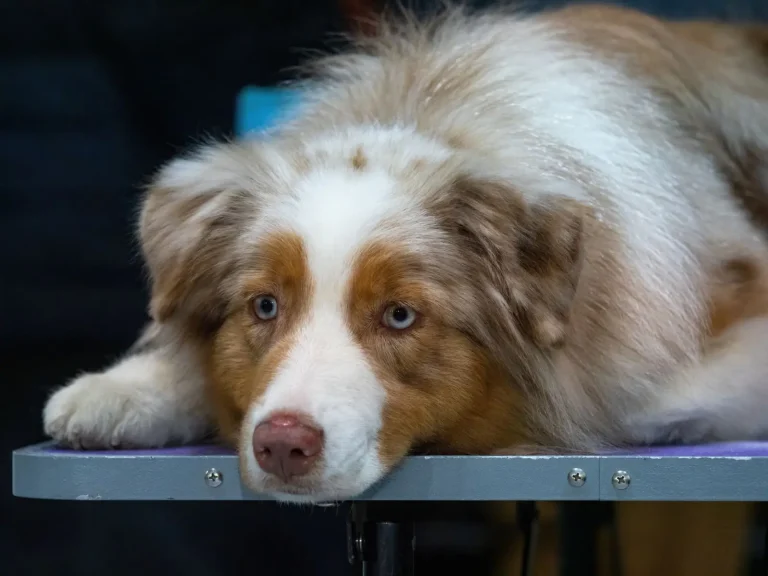

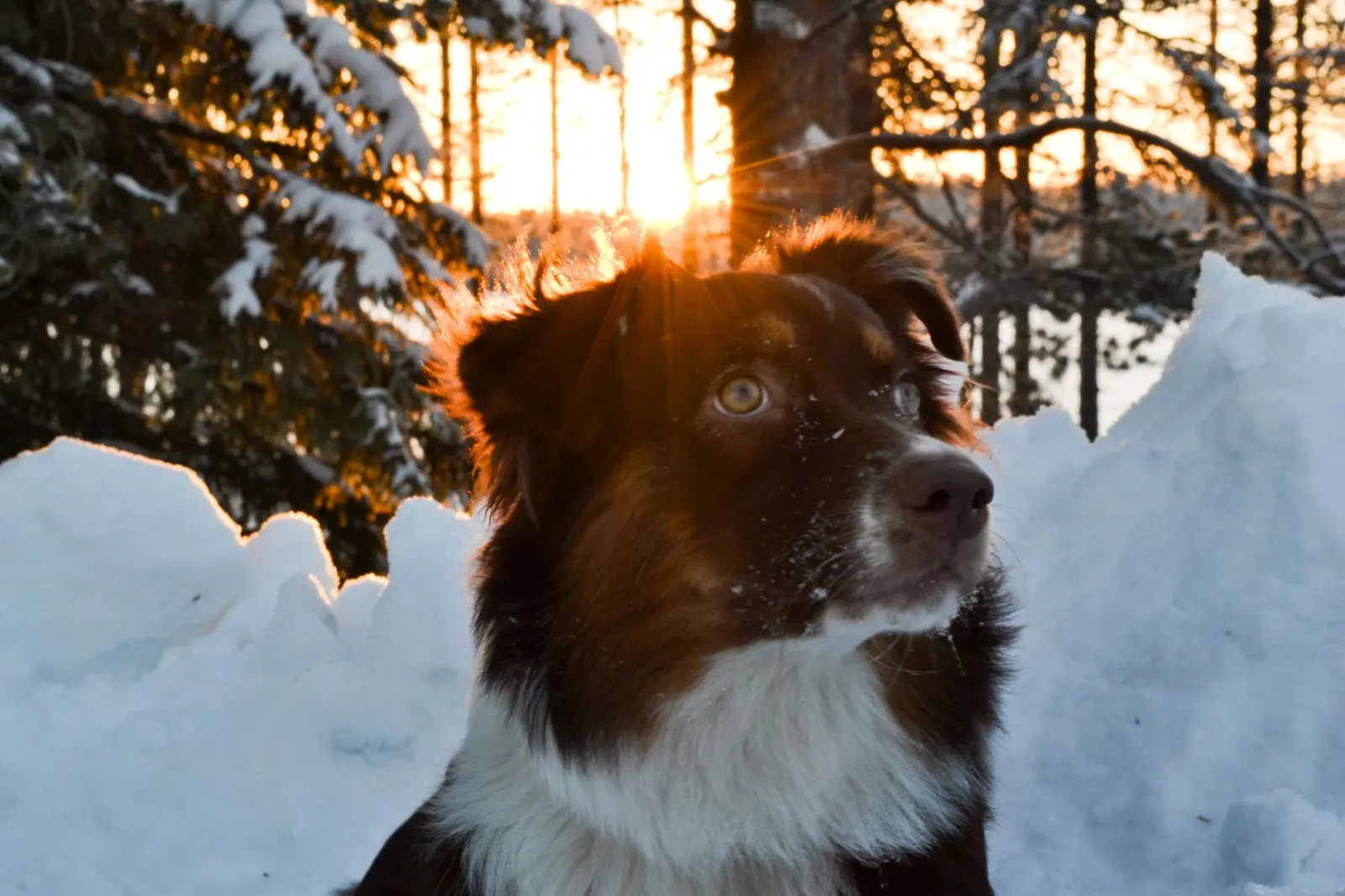
Australian Shepherds are not dogs that do well left alone for long stretches. I’ve worked with enough of them over the years to recognize this as one of the most consistent patterns in the breed. It’s not a training failure or a character flaw – it’s rooted in what these dogs were actually bred to do. They were developed to work cattle across open terrain, making decisions in real time while staying connected to their handler. That genetic pull toward engagement and activity doesn’t disappear when you close the front door.
The practical reality is that most Australian Shepherds begin showing signs of distress after three to four hours alone. Some handle five hours reasonably well if they’ve been exercised beforehand, but beyond that, you’re typically looking at destructive behavior, excessive vocalization, or both. I’ve seen dogs tear through drywall, shred furniture, and create noise complaints that surprised their owners who thought their dog was “fine” when left alone. The dog wasn’t fine – it was in a state of escalating anxiety.
What makes this breed different from, say, a Basset Hound or a Bulldog is their need for mental engagement alongside physical activity. An Australian Shepherd that’s been run for an hour might still become destructive if left alone because the mental stimulation has stopped. Their brains are wired to work, to problem-solve, to track movement and respond to it. A quiet house with nothing to do is genuinely uncomfortable for them.
The Alone-Time Reality by Age and Individual Temperament
Puppies are obviously worse. An eight-week-old Australian Shepherd shouldn’t be left alone for more than an hour or two, and that’s being generous. Their bladder can’t handle it, and their need for supervision is real. But even adult dogs vary. I’ve worked with some Australian Shepherds that seemed more independent than others, but I’ve never encountered one that truly preferred solitude. The variation is more about how quickly they escalate into problem behavior rather than whether they can be alone at all.
Age matters too. A two-year-old in the peak of their working drive is going to struggle more than a nine-year-old that’s mellowed somewhat. Senior dogs often become more settled, though an older Australian Shepherd that’s been active their whole life might still find extended alone time difficult. Individual temperament plays a role – a dog with lower anxiety thresholds will decompose faster than one that’s naturally calmer – but breed tendency overrides individual variation in most cases.
What Happens When They’re Left Alone Too Long
The first sign is usually restlessness. You might notice pacing, whining, or scratching at doors or windows before you even leave. Once you’re gone, many Australian Shepherds will try to find an outlet for their energy and anxiety. Destructive behavior follows a pattern: they’ll target areas near doors or windows (places where they can “monitor” the outside), chew on furniture, dig at flooring, or shred whatever’s accessible. Some become vocal – barking or howling in a way that’s distinctly different from occasional alerting. It’s more frantic, more persistent.
What I’ve observed is that this behavior escalates over time. A dog left alone for the first time might be fine for two hours, then show mild stress at three hours. By the fourth or fifth hour, the stress compounds and the behavior becomes more intense. It’s not a linear progression. It’s more like a threshold gets crossed and then things deteriorate quickly.
The longer-term issue is that dogs can develop separation anxiety – a genuine anxiety disorder that’s different from simple restlessness. Once a dog has experienced repeated panic or distress during alone time, the anxiety can become conditioned. They start anticipating the distress before you even leave. This is harder to undo than preventing it in the first place.
Practical Strategies That Actually Help
If you work full-time outside the home, you need a plan. Leaving an Australian Shepherd alone for eight hours five days a week is not sustainable, and it will create problems. The most realistic approach is breaking up the day. A dog walker or pet sitter who comes midday makes an enormous difference. Even 30 minutes of interaction and a bathroom break can reset the dog’s stress level. It’s not ideal, but it’s functional.
Some people use doggy daycare. This works well if the facility is good and your dog is social enough to handle group settings. Not all Australian Shepherds enjoy daycare – some find it overstimulating – but many do. The key is finding a place where they’re actually engaged and exercised, not just warehoused in a pen.
Crate training is often suggested, and it does help contain the damage, but I want to be clear: a crate is not a solution to alone-time anxiety. It’s a management tool. A crate-trained dog might not destroy your house while you’re gone, but that doesn’t mean the dog is comfortable. They’re still experiencing the stress; they’re just confined while experiencing it. Some dogs will injure themselves trying to escape a crate when they’re in a panic state. Use a crate if you need to, but don’t confuse confinement with comfort.
Exercise before leaving helps, but it’s not a cure. A tired dog is somewhat calmer than an energized one, but an Australian Shepherd’s need for alone time doesn’t increase proportionally with exercise. You can’t exercise them into being okay with solitude. What you can do is reduce their baseline restlessness, which buys you maybe an extra hour before problems start.
Environmental enrichment – puzzle toys, chew toys, frozen treats – keeps them occupied temporarily. Some dogs will engage with these for 20 minutes to an hour. It’s better than nothing, but again, it’s not a solution. Once the novelty wears off, the underlying anxiety or boredom returns.
When Alone Time Is Genuinely Necessary
There are situations where you need to leave your dog alone for longer than ideal. A vet appointment, a family emergency, a work obligation. Short-term, occasional longer absences are different from chronic daily abandonment. A dog can handle a five or six-hour stretch occasionally without developing lasting problems, especially if they’re exercised beforehand and their environment is as comfortable as possible. The issue arises when this becomes the routine.
If you’re facing a period where you’ll need to leave your dog alone regularly, start gradually. Build up their tolerance over weeks, not days. Leave for short periods, return before they get anxious, and gradually extend the time. This is different from just leaving them and hoping they adjust. It requires consistency and patience, but it does help more than sudden long absences.
The honest assessment I’d offer anyone considering an Australian Shepherd: if you work long hours with no flexibility for midday breaks or dog care, this breed is probably not the right fit. It’s not that Australian Shepherds are “bad” dogs or that you’d be a bad owner – it’s that the mismatch creates stress for the dog and frustration for you. There are breeds that genuinely do better with extended alone time. An Australian Shepherd isn’t one of them, and pretending otherwise usually leads to behavioral problems that could have been prevented.