
People often assume the Australian Shepherd and Australian Cattle Dog are interchangeable because of their names and shared herding heritage. In reality, living with one versus the other creates distinctly different daily experiences. After years of working with both breeds, I’ve learned that the differences run deeper than appearance, and choosing between them requires understanding what each one actually needs to function well.
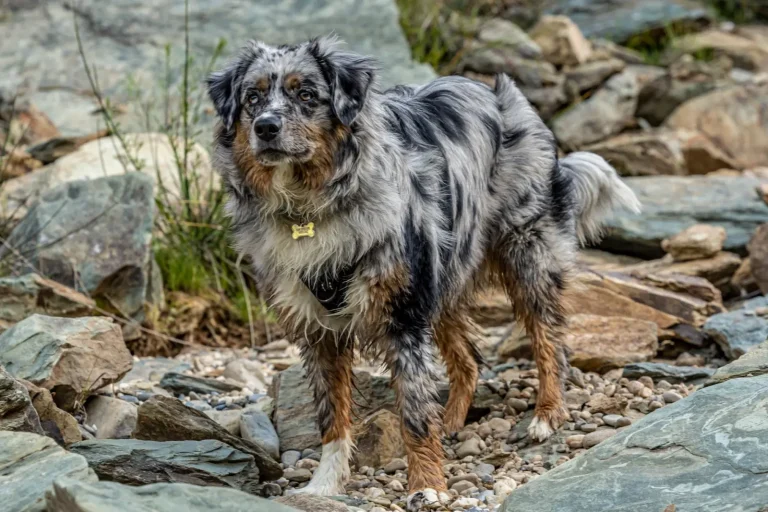
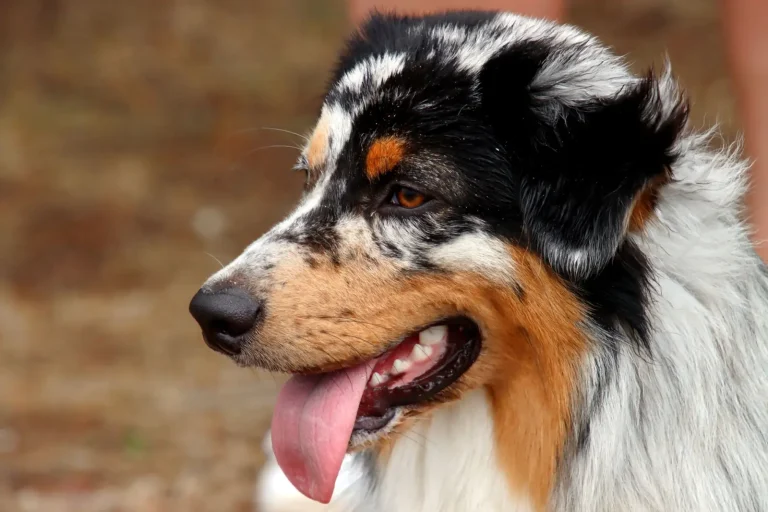
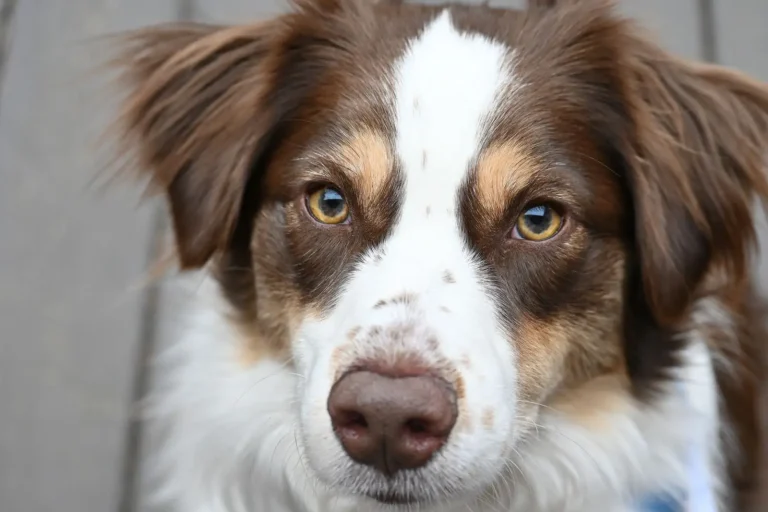
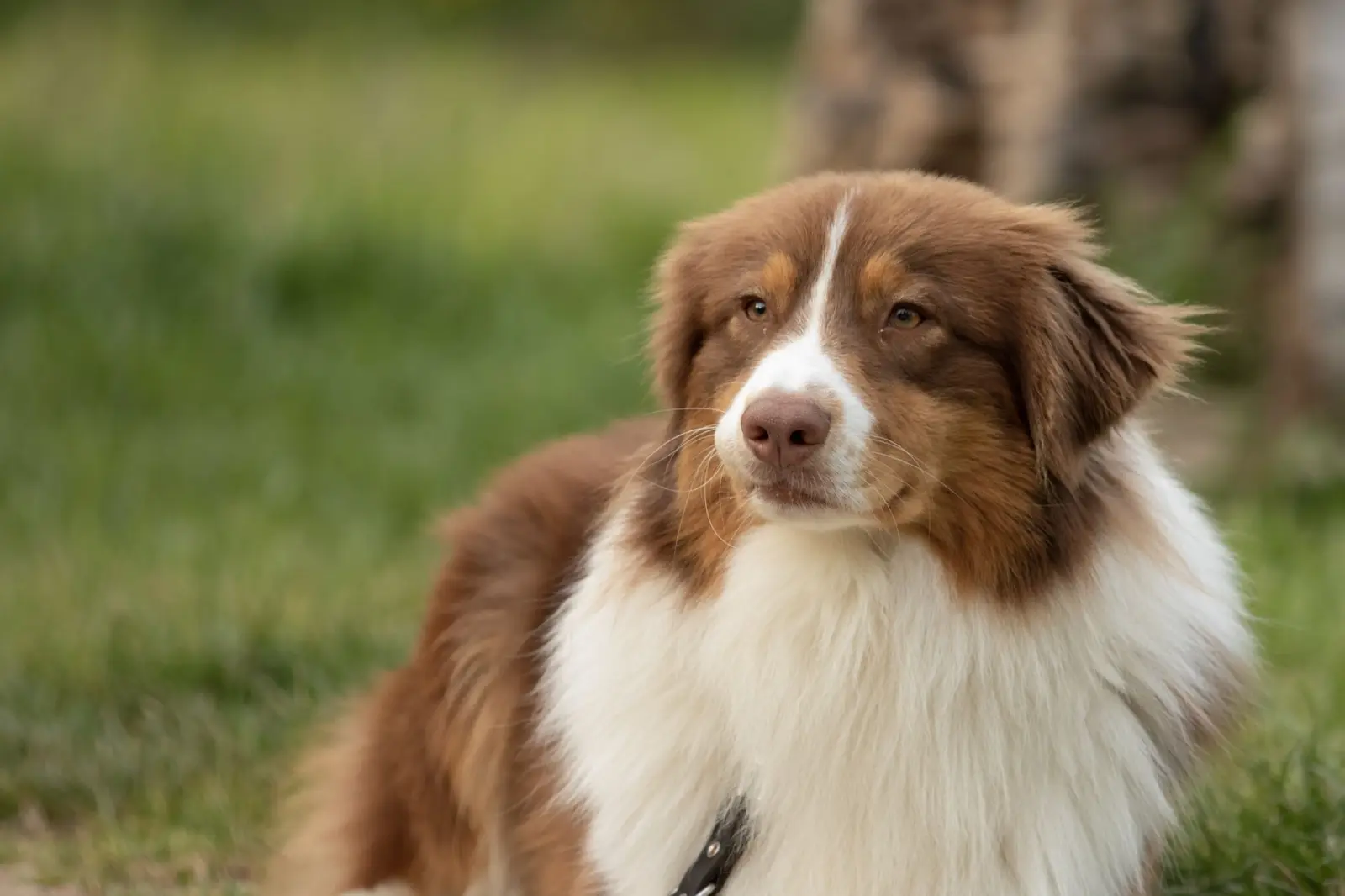
The Australian Shepherd is the more visually striking of the two. Larger, with a feathered coat that comes in merle, black, red, and tan patterns, they tend to draw attention. They’re built leaner and taller, often standing 18 to 23 inches at the shoulder. The Australian Cattle Dog is more compact and muscular, typically 17 to 20 inches tall, with a short, dense coat that sheds year-round in a way that surprises people accustomed to longer-haired breeds. Both were developed to work livestock, but in different contexts and under different pressures, which shaped their temperaments in meaningful ways.
Energy and Work Drive
The Australian Shepherd has a reputation for boundless energy, and that reputation is earned. What I’ve observed, though, is that their energy is more variable and responsive to structure than people expect. A well-exercised Aussie can settle into calm, focused behavior for hours. Without adequate outlet, they become restless, destructive, and prone to obsessive behaviors like fence pacing or ball fixation. They need both physical exercise and mental engagement – herding trials, agility, or consistent training work.
The Australian Cattle Dog operates differently. Their energy is more relentless and less negotiable. They were bred to work independently, making split-second decisions while managing cattle in harsh terrain. This independence translates to a dog that is harder to redirect once focused on something. A cattle dog at rest is genuinely resting, but when activated, they’re driven in a way that feels more primal. They don’t tire as easily as people assume, and they need work that engages their problem-solving instinct, not just their legs.
In practical terms, an Aussie might be satisfied with a structured day of training and play. A cattle dog often wants a job with real stakes – something that requires decision-making and persistence. This is why cattle dogs excel at herding trials and working farms but can become frustrated in purely recreational settings.
Temperament and Social Behavior
Australian Shepherds are typically more openly affectionate and responsive to people. They bond strongly with their owners and tend to be eager to please, which makes them responsive to training. They’re often good with children and can adapt to family life if their exercise needs are met. That said, they can develop separation anxiety if left alone frequently, and they sometimes exhibit herding behavior toward children – nipping at heels or circling – which is instinctive, not aggressive, but needs to be managed.
Australian Cattle Dogs are more reserved and independent-minded. They bond intensely with their people but on their own terms. They’re less interested in pleasing and more interested in doing what they think is right. This makes them trickier to train, not because they’re less intelligent, but because they question instructions rather than automatically comply. With children, they can be protective but less naturally playful. Their herding instinct is also stronger and more likely to manifest as actual nipping – they were bred to bite and move cattle, after all.
The cattle dog’s independence isn’t a flaw; it’s what made them valuable working dogs. But it means they require an owner who understands that training is negotiation, not command. An Aussie will often defer to your judgment. A cattle dog will consider it.
Coat and Maintenance
The Australian Shepherd’s longer coat requires regular brushing – ideally several times a week to prevent matting and manage shedding. They shed heavily, especially during coat blows in spring and fall. Grooming is manageable if done consistently, but neglecting it leads to mats that are painful to remove and can hide skin issues.
The Australian Cattle Dog’s short coat seems low-maintenance until you live with the actual shedding. They shed constantly and densely. A vacuum becomes essential furniture. However, grooming itself is quick – a brush a few times a week keeps them comfortable. Bathing is simpler, and they dry fast. The tradeoff is that you’re always cleaning up hair.
Health and Longevity
Both breeds are generally hardy, with lifespans around 12 to 15 years when well-cared for. Australian Shepherds are prone to hip dysplasia, certain eye conditions, and epilepsy. Australian Cattle Dogs can develop hip dysplasia as well, and deafness occurs in some lines, particularly in dogs with predominantly white coats. Responsible breeders test for these conditions, but they’re worth knowing about before committing to either breed.
The Australian Cattle Dog’s toughness – their ability to work through pain and discomfort – can mask health issues. Owners need to be proactive about veterinary care because a cattle dog won’t necessarily show obvious signs of distress. An Aussie is more likely to signal when something is wrong.
Living Situation and Practical Fit
An Australian Shepherd can adapt to apartment living if exercised adequately and given mental stimulation. They’re responsive enough to training that they can learn to settle in smaller spaces. They’re also more likely to be satisfied with structured play and training sessions as their primary outlet.
An Australian Cattle Dog in an apartment is possible but less ideal. They need space to move and a sense of purpose. They’re better suited to homes with yards and preferably work or a serious sport commitment. Their independence means they’re less likely to be satisfied with purely recreational exercise.
For families, the Aussie is generally the easier choice. They’re more naturally social, more responsive to training, and less likely to develop behavioral problems from lack of work. For individuals or families experienced with working dogs, the cattle dog’s intensity and independence can be rewarding, but it requires realistic expectations.
After years with both breeds, I’ve learned that the choice between them isn’t really about which is “better.” It’s about which one’s needs align with your actual life. An Australian Shepherd in the right home is a joy – responsive, affectionate, and genuinely engaged. An Australian Cattle Dog in the wrong home becomes a problem that no amount of exercise fixes. Choose the one that matches your willingness to meet their specific demands, not the one that looks better or has a better reputation.