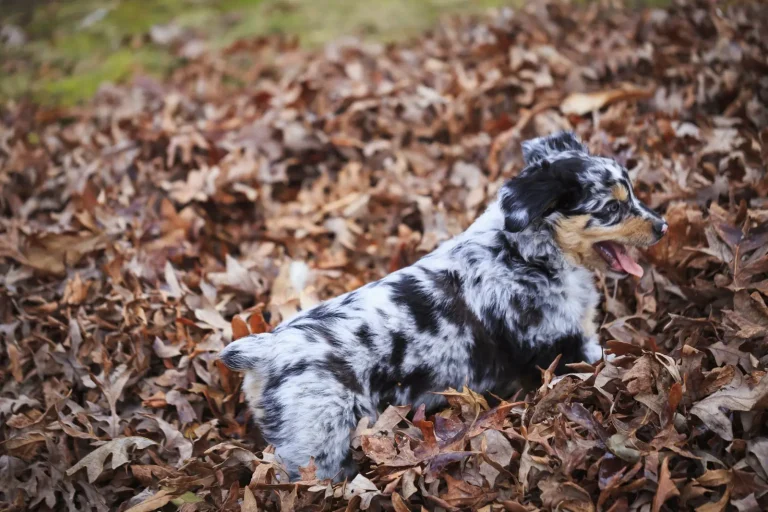

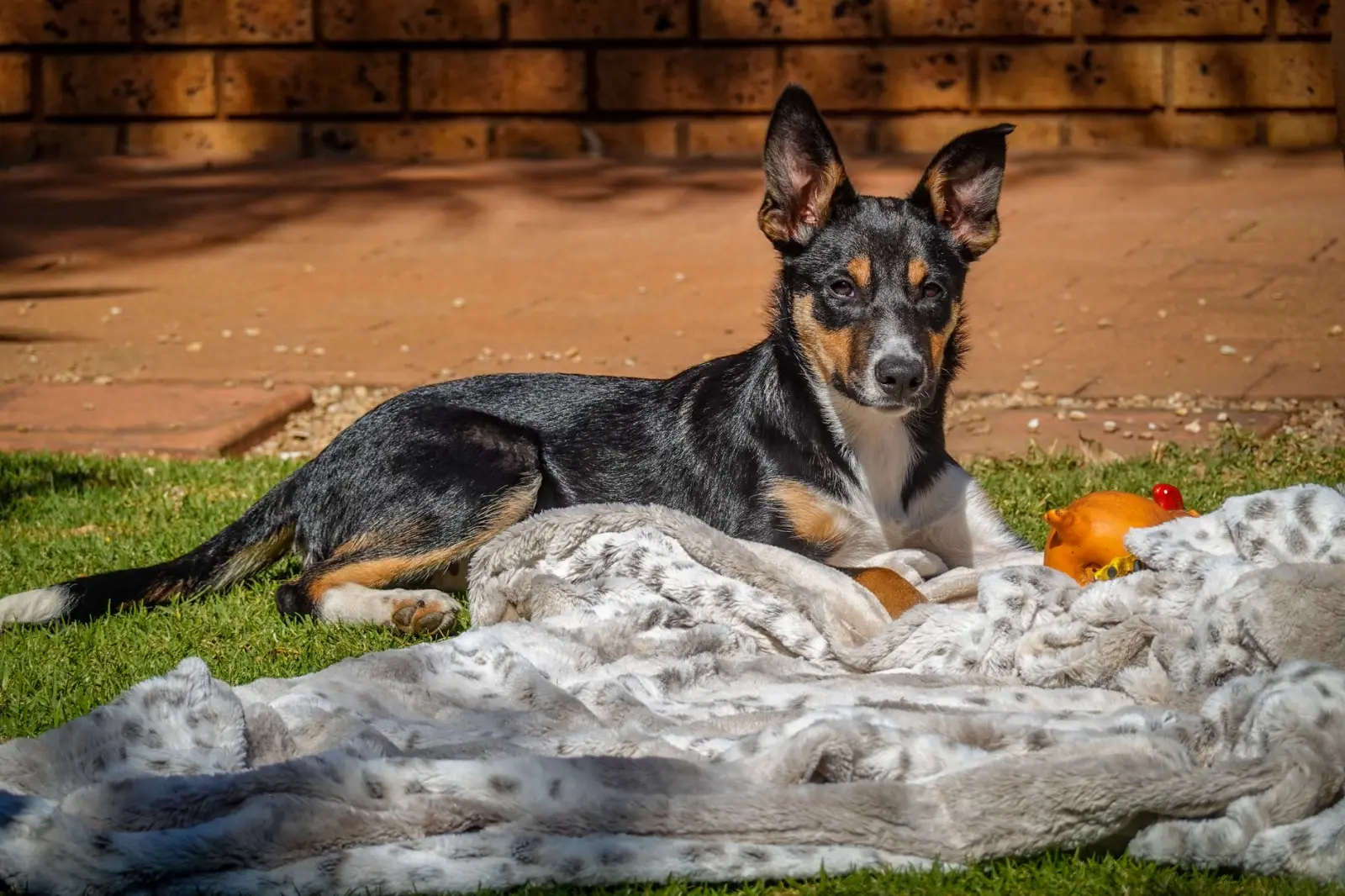
Australian Shepherds are relentless problem-solvers. After years of working with this breed, I’ve noticed that their need for mental engagement often exceeds their physical exercise requirements. A tired Aussie is not necessarily a settled Aussie. The difference between a dog that has run five miles and a dog that has spent thirty minutes genuinely thinking through a puzzle is significant – and it shows in their behavior, their focus, and their ability to settle at home.
The breed’s herding background means their brains are wired to anticipate, track, and respond to movement and change. When that mental machinery has nothing productive to work on, it tends to redirect toward less desirable outlets: obsessive behaviors, destructive chewing, fence running, or fixation on household activity. I’ve seen dogs with plenty of yard space and regular walks still develop anxiety or compulsive behaviors simply because their cognitive needs weren’t being met. The solution isn’t more exercise – it’s engagement that requires actual decision-making.
Why Standard Exercise Falls Short
A walk or a fetch session uses energy, but it doesn’t necessarily engage the problem-solving parts of an Aussie’s brain. These dogs were bred to make independent decisions about moving livestock, reading subtle cues, and adapting their approach based on what they observe. A repetitive activity, no matter how vigorous, doesn’t tap into that capacity. This is why you’ll sometimes see an Aussie that gets two hours of daily exercise but still exhibits restlessness or behavioral tension. The physical outlet is there, but the mental challenge isn’t.
I’ve worked with owners who were surprised when adding a weekly puzzle session reduced their dog’s destructive behavior more effectively than adding another walk. The shift happens because the dog’s brain is actually being asked to work, not just to move. This distinction matters tremendously for the breed’s long-term behavior and contentment.
Practical Engagement Methods
Scent work is one of the most reliable tools I’ve found. It doesn’t require special equipment or training credentials. Hide treats or a toy in your home – under blankets, inside boxes, under cushions – and let the dog hunt for it. The work is self-reinforcing: the dog gets rewarded by finding the object, and the search itself requires sustained focus and problem-solving. Start simple with obvious hiding spots, then gradually increase difficulty. A fifteen-minute scent session often produces the same mental fatigue as a much longer physical activity.
Puzzle toys and treat-dispensing devices work well, though they’re not all equally effective for Aussies. The ones that require multiple steps or manipulation tend to hold their attention better than simple ball-and-hole designs. Rotating toys weekly prevents habituation. I’ve noticed that dogs lose interest quickly in puzzles they’ve mastered, so the challenge level needs to evolve. Some owners make their own versions using muffin tins with tennis balls placed in each cup, or PVC pipes with holes drilled through them. The homemade approach often works as well as commercial products and keeps costs down.
Training sessions, even brief ones, provide significant mental engagement. The key is that the dog is learning something new or refining something existing, not just repeating a well-known command. Teaching a new trick, working on impulse control exercises, or practicing directional cues all require active thinking. Aussies tend to be quick learners, which means they need regular novelty to stay engaged. A ten-minute training session where the dog is actually thinking is more valuable than a thirty-minute session of repetition.
Environmental Enrichment and Variation
Changing the dog’s environment regularly provides subtle but meaningful stimulation. Walking different routes, visiting new spaces, or even rearranging furniture at home gives the dog new things to observe and process. Aussies notice details – a new tree on a familiar walk, a different person at a location, a shift in routine. This natural variation keeps their brains engaged without requiring structured activity.
Some owners set up obstacle courses or agility work at home, which combines physical and mental challenge. The dog has to navigate the course while processing spatial relationships and following cues. This isn’t about competition or perfection; it’s about giving the dog a task that requires coordination and attention.
Interactive play with other dogs, when the Aussie’s socialization supports it, provides unpredictable problem-solving. The dog has to read another animal’s behavior, anticipate movements, and adjust its own approach. This is cognitively demanding in a way that solo play isn’t.
Recognizing Overengagement and Balance
There’s a point where too much structured mental activity can become counterproductive. I’ve seen owners create an overstimulated dog by layering puzzle toys, training sessions, and scent work into every day without allowing for quiet time. The goal is engagement, not constant activation. An Aussie that never has downtime becomes anxious and hypervigilant, not more balanced.
The sweet spot tends to be a mix: some days with more structured mental work, other days with lighter engagement and plenty of rest. The dog should be able to settle and relax without constant input. Observation matters here. A dog that is calm, responsive, and able to rest without anxiety is getting the right amount of engagement. A dog that is restless even after mental work, or that seems unable to shift out of high alert, may be getting too much stimulation or may have an underlying anxiety issue that needs different support.
Mental enrichment for Australian Shepherds isn’t complicated, but it does require consistency and attention to what actually engages the individual dog. What works for one Aussie may not fully satisfy another. The breed’s intelligence and work drive are assets, but they need an outlet. Without it, that same intelligence often channels into problem behaviors that are far harder to manage than the time spent on regular mental engagement.