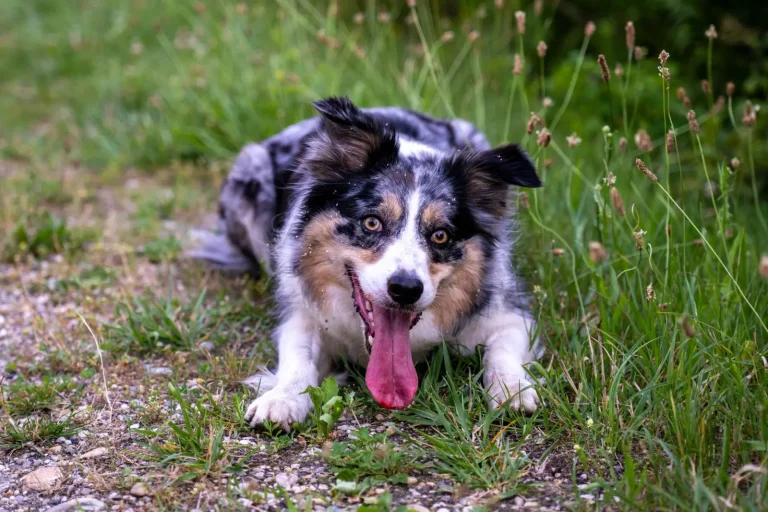

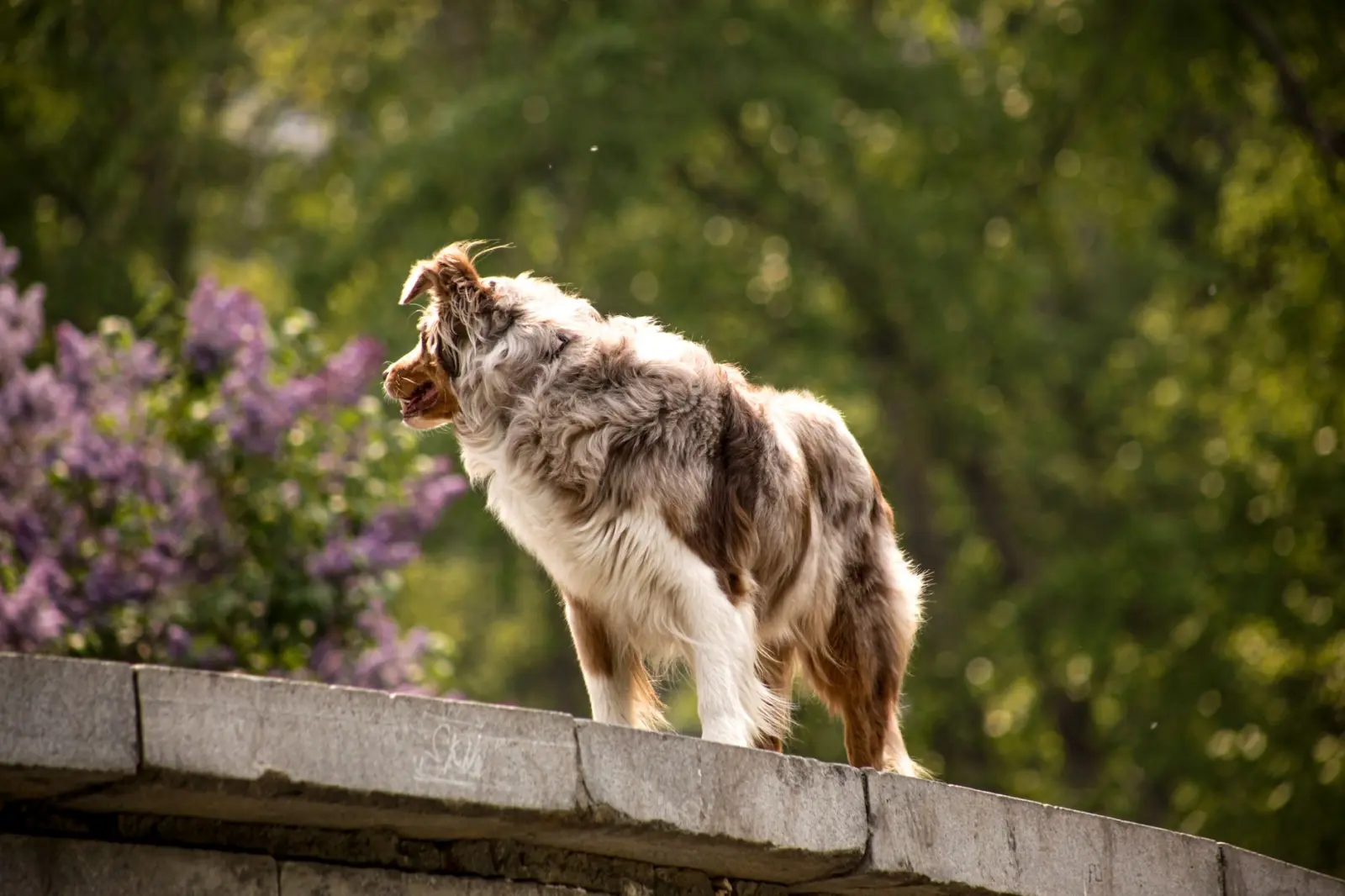
Australian Shepherds seem to carry a genetic predisposition toward allergies that shows up more often than in many other breeds. Over years of working with these dogs, I’ve noticed the signs tend to emerge gradually – sometimes so subtly that owners don’t connect the dots until the problem has already taken hold. The breed’s thick, double coat and active nature actually work against them here. They’re prone to moisture retention in their skin, which creates an ideal environment for irritation and secondary infections.
What makes allergies in Aussie Shepherds tricky is that they rarely announce themselves with a single, obvious symptom. Instead, you’ll see a constellation of small behaviors and physical changes that, when viewed together, point to an underlying allergy. The dog might start licking their paws more frequently, or you’ll notice they’re scratching at their ears with unusual persistence. Some owners describe it as the dog seeming generally uncomfortable, restless, or unable to settle during what should be relaxing time.
Skin and Coat Changes
The most visible clue is usually a change in the coat itself. You might notice the fur becoming dull or losing its typical luster, even though you’re maintaining the same grooming routine. Redness or irritation on the skin, particularly in the folds between the toes, under the armpits, or around the muzzle, is a classic sign. I’ve seen dogs develop what looks like a mild rash or patches of inflamed skin that come and go depending on what they’ve been exposed to.
Excessive shedding beyond the normal seasonal cycles is another indicator. Aussie Shepherds shed year-round, but allergies amplify this. The dog’s skin becomes more fragile, and the coat sheds more heavily. You might also notice the dog developing a yeasty or musty odor, particularly in areas that stay moist. This smell typically indicates a secondary yeast infection, which is extremely common in allergic dogs because the compromised skin barrier allows opportunistic organisms to thrive.
Ear issues are particularly prevalent in this breed. The ears have a shape and structure that traps moisture and debris, and when allergies are present, the ear canal becomes inflamed and produces excess wax. Owners often describe their dog shaking their head frequently, pawing at the ears, or showing sensitivity when the ear is touched. The ear canal itself may appear red or swollen, and there’s often a discharge that ranges from clear to yellow or brown depending on whether a secondary infection is present.
Behavioral and Physical Signs
Beyond the obvious scratching and licking, allergic dogs often exhibit behavioral changes that people don’t immediately attribute to physical discomfort. An Aussie Shepherd with allergies might become more irritable or anxious. They may struggle to focus during training or play sessions. Some dogs become restless at night, unable to settle into a comfortable sleeping position. Others show increased reactivity or seem generally tense. These behavioral shifts happen because chronic itching and discomfort wear on the dog’s nervous system.
Face rubbing is something I see frequently. The dog rubs their face on furniture, the ground, or their paws repeatedly, as if trying to relieve pressure or itching around the muzzle and eyes. Some dogs will also chew at their legs or belly more intensely than normal grooming would require. The chewing often becomes focused – targeting the same areas repeatedly – and can lead to raw patches or secondary skin infections if left unaddressed.
Gastrointestinal signs sometimes accompany allergies, though they’re less obvious. A dog might have softer stools than usual, or you might notice increased flatulence. Some dogs develop a more sensitive stomach and react to foods they previously tolerated without issue. This connection between skin allergies and digestive sensitivity is real, especially in breeds like Australian Shepherds that seem prone to both.
Common Environmental Triggers
In my experience, environmental allergies in Australian Shepherds tend to follow seasonal patterns, though not always predictably. Pollen, dust mites, mold spores, and grass are frequent culprits. Dogs that spend a lot of time outdoors during high pollen seasons often show flare-ups in spring or early summer. The symptoms may peak during certain times of day when pollen counts are highest, or they might worsen after the dog has been outside for extended periods.
Dust and indoor allergens matter more than people realize. Dogs that live in homes with carpet, spend time in dusty environments, or are exposed to smoke or strong chemical odors can develop allergic reactions. Some Aussie Shepherds are sensitive to specific plants or grasses in their yard. I’ve seen cases where moving a dog to a different geographic location actually resolved long-standing allergy issues, suggesting environmental factors were the primary driver.
Contact allergies also occur. Some dogs react to certain materials, cleaning products, or even the materials used in dog beds. I’ve encountered dogs that developed skin irritation from specific collar materials or leash types. These localized reactions tend to appear where the irritant makes contact with the skin.
Food-Related Sensitivities
Food allergies and sensitivities in Australian Shepherds are less common than environmental allergies, but they’re certainly present. The signs can be confusing because they often overlap with environmental allergy symptoms. A dog with a food sensitivity might show itching, ear infections, or digestive upset. The key difference is that food-related issues tend to be consistent year-round, whereas environmental allergies often fluctuate with seasons or conditions.
Common problematic ingredients include chicken, beef, wheat, and corn. Some dogs react to specific proteins or grains, while others have trouble with artificial additives or preservatives. The tricky part is that reactions aren’t always immediate. A dog might eat a food for weeks before symptoms become noticeable, making it difficult to pinpoint the cause without systematic elimination.
Digestive symptoms from food sensitivities include loose stools, increased bowel movements, or visible discomfort after eating. Some dogs vomit occasionally. The skin manifestations – itching, ear infections, or coat quality – can take weeks to improve after removing the offending ingredient, so patience is necessary when investigating food-related issues.
Secondary Infections and Complications
What often complicates allergies in Australian Shepherds is the secondary infections that develop on compromised skin. A dog with allergies has a weakened skin barrier, making them vulnerable to bacterial and yeast infections. These secondary infections intensify itching and discomfort, creating a cycle that makes the original allergy harder to manage.
Yeast infections are particularly common. You’ll notice increased odor, darker or discolored skin, and sometimes a greasy appearance to the coat. Bacterial infections present with pustules, crusting, or oozing skin. Both require treatment beyond addressing the underlying allergy. I’ve seen dogs where the secondary infection was so severe that treating the infection first was necessary before the underlying allergy could be properly managed.
Chronic allergies can also lead to thickened, darkened skin in affected areas – a condition called lichenification. This happens when the skin has been irritated repeatedly over time. The skin becomes leathery and less elastic, which further compromises its ability to act as a barrier against allergens and irritants.
Australian Shepherds with untreated or poorly managed allergies sometimes develop behavioral issues related to the chronic discomfort. The constant itching and irritation can lead to anxiety, obsessive behaviors, or aggression in some cases. Addressing the allergy often improves behavior alongside the physical symptoms.
Recognizing these signs early makes a significant difference in how quickly an allergy can be addressed. The longer an allergy goes unmanaged, the more likely secondary complications will develop, and the more complex the treatment becomes. Working with a veterinarian to identify triggers through observation, elimination, and sometimes allergy testing is the most reliable path forward. Every dog is individual, and what triggers one Aussie Shepherd might not affect another, so careful attention to your specific dog’s patterns is essential.