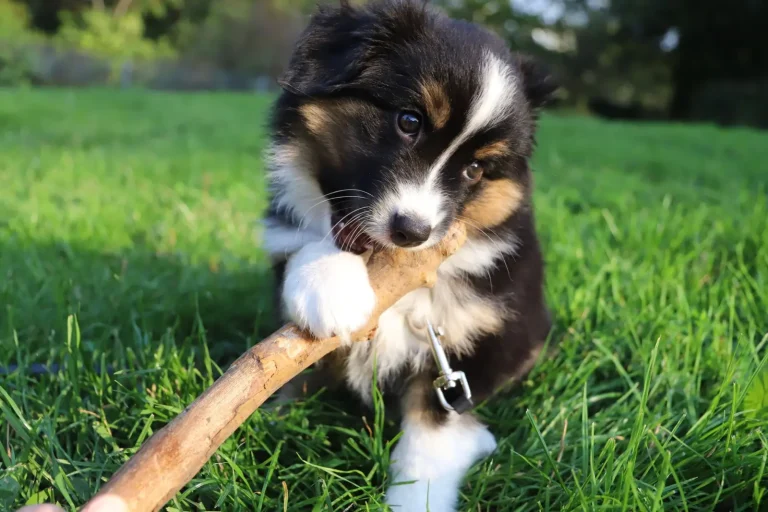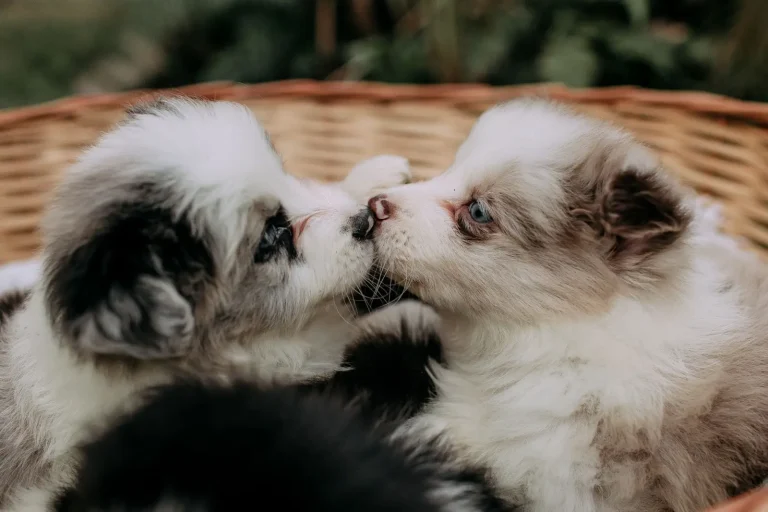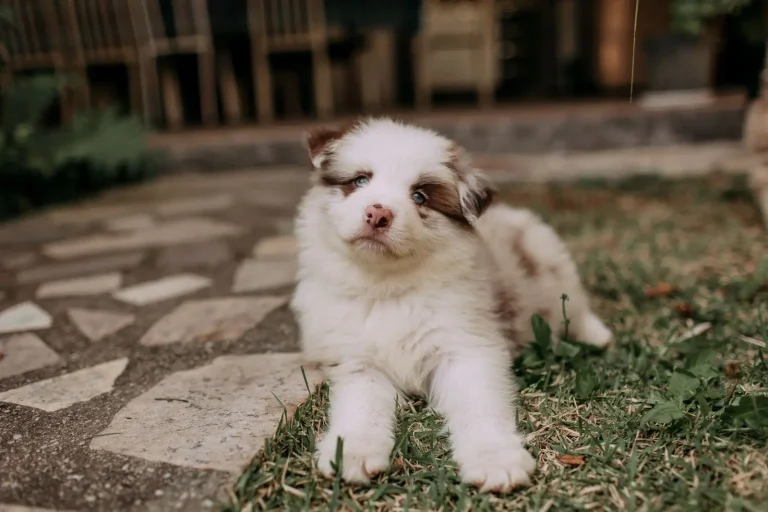

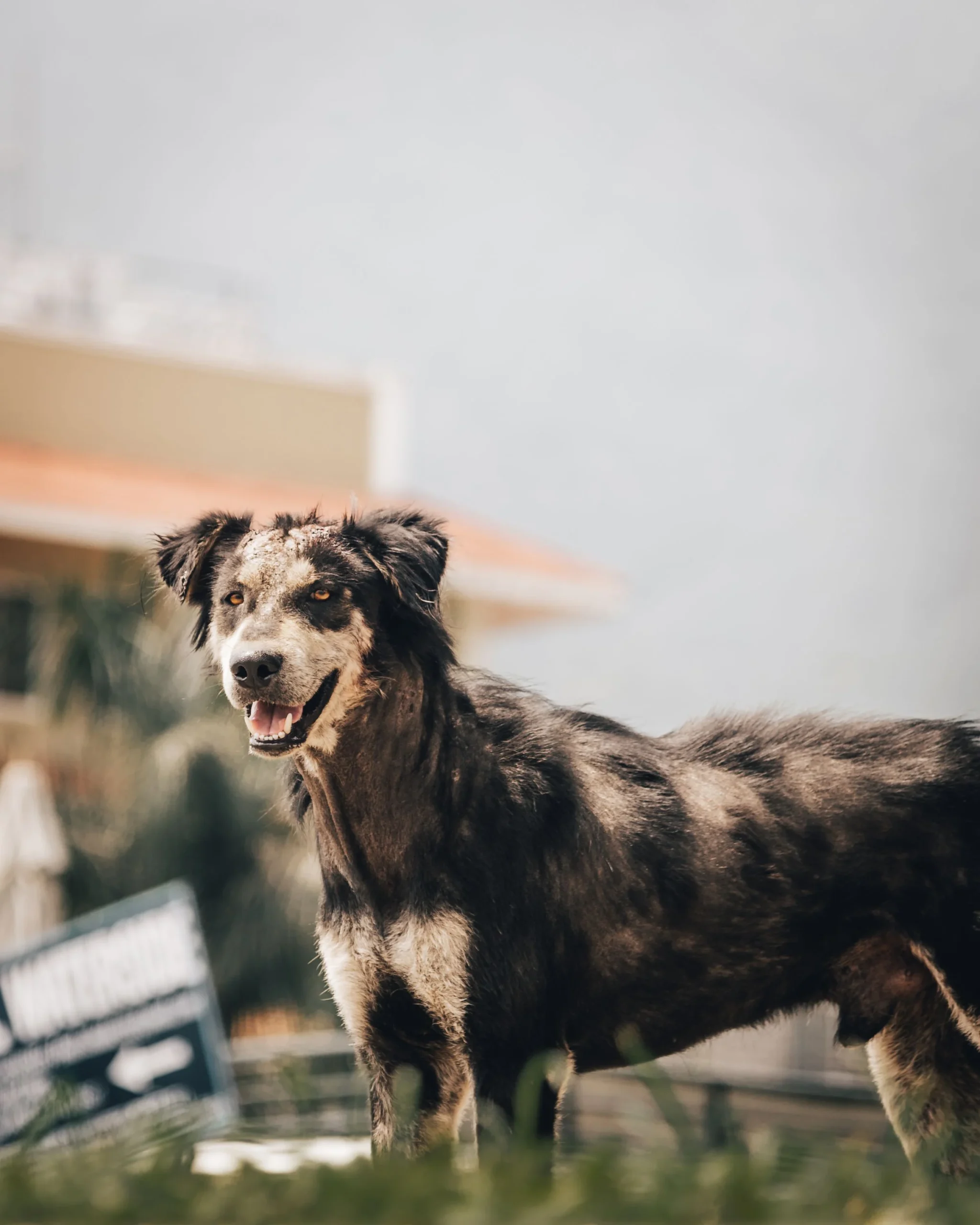
Australian Shepherd puppies arrive with a lot of natural wariness built into their temperament. They’re bred to work livestock with focus and caution, which means their default response to novelty isn’t unbridled curiosity – it’s assessment. I’ve worked with dozens of Aussie litters over the years, and the ones that end up confident and well-adjusted aren’t the ones exposed to the most stimulation. They’re the ones exposed to the right amount at the right pace.
The mistake most people make is confusing socialization with exposure. They think socialization means getting the puppy out to as many places and people as possible in the first few months. In reality, it’s about building positive associations with the world in manageable doses. An Australian Shepherd puppy that’s taken to a busy park, a farmers market, and a hardware store in a single week is often a puppy that’s developing anxiety, not confidence. They’re just too young to process that much novelty at once.
The critical window for socialization runs roughly from three weeks to sixteen weeks of age. After that, the puppy’s brain becomes more cautious by design. This is actually adaptive – a young dog should be careful about unfamiliar things. But during those early weeks, positive experiences matter enormously. The goal isn’t to make them fearless. It’s to establish that new things aren’t inherently threatening.
Starting Small and Reading the Puppy
I always begin socialization at home. Before a puppy meets strangers or new environments, they need to be settled in their own space. A puppy that’s still anxious about their crate or sleeping area isn’t ready to handle the stimulation of a crowded street. Give them a week or two to decompress from the stress of leaving their littermates, then start introducing novelty in controlled ways.
The first visitors should be calm, quiet people – ideally one at a time. A single friend sitting on the couch is infinitely more manageable for a young Aussie than a gathering of relatives all wanting to hold and play with the puppy. Watch how the puppy responds. Some will approach immediately. Others will hang back and observe from a distance. Both are normal. The puppy that hangs back isn’t necessarily fearful; they’re often just being characteristically cautious. Let them approach on their own timeline. If you force interaction, you’re teaching them that new people are something to be anxious about.
Treats help, but they’re not a magic solution. Offering a treat when someone new arrives is useful, but only if the puppy is already calm enough to take it. A puppy that’s too stressed won’t eat. If that happens, the person needs to back away and let the puppy decompress. Pushing through that moment teaches the wrong lesson.
Environment Exposure and Sensory Load
New environments introduce multiple sensory inputs at once – sounds, smells, textures, movement. Australian Shepherds notice all of it. A single trip to a moderately busy location can be enough for a young puppy. I’ve seen puppies that were fine in a quiet vet clinic become overwhelmed at a pet store because of the noise and the number of people moving around. It’s not weakness; it’s just how their nervous system works at that age.
Short outings are better than long ones. Fifteen minutes in a new place is often more valuable than an hour. The puppy gets to experience the environment without becoming exhausted or overstimulated. You can always go back another day and spend a bit longer. Consistency matters more than duration.
Avoid peak times when you’re introducing new places. A quiet morning at a park teaches the puppy more than a Saturday afternoon when there are dozens of dogs and people around. Once the puppy is genuinely comfortable in a calm version of that environment, gradually increasing the activity level makes sense. But starting at the high end of stimulation is a recipe for creating a nervous dog.
Handling and Physical Contact
Australian Shepherds can be sensitive about their feet, ears, and muzzle. Getting them comfortable with handling early matters for practical reasons – nail trims, ear checks, vet exams all require a dog that tolerates touch without tension. But this isn’t something to rush.
Start with gentle, brief touches during calm moments. Touch their paws while they’re relaxed, not during play. Handle their ears and mouth gently. Most puppies accept this readily if it’s paired with positive things – treats, calm praise, or just the continuation of whatever they were enjoying. If a puppy pulls away or shows discomfort, don’t force it. Back off and try again another time. Forcing a puppy to accept handling teaches them that their boundaries don’t matter, which often creates more defensive behavior later.
Introduce grooming tools slowly. Let the puppy see a brush or nail clipper without using it. Let them sniff it. Touch them with it gently before actually using it. A puppy that’s seen a brush handled calmly around them for weeks will be far more cooperative when you actually need to use it than one you suddenly pull out without warning.
Other Dogs and Play Dynamics
Meeting other dogs requires careful judgment. Puppies learn a lot from older, well-socialized dogs, but they can also learn bad habits or develop fear if the interaction goes poorly. A single bad experience with an aggressive or overly rough dog can set back socialization significantly.
The best early dog contacts are with calm, adult dogs that tolerate puppy behavior without reacting harshly. An older dog that gently corrects a puppy’s rudeness teaches appropriate boundaries. A dog that snaps or pins the puppy teaches fear. If you’re arranging meetings with other dogs, know the other dog’s temperament first. Puppy playgroups can work, but they need to be small and well-supervised. A group of five or six puppies playing together is chaos that teaches nothing useful.
Australian Shepherd puppies are herding dogs. They’ll nip at heels and chase. This is normal breed behavior, not a sign of aggression. But it can irritate other dogs, especially calm, older ones. Supervise interactions and interrupt herding behavior if the other dog is clearly annoyed. The goal is for the puppy to learn that not every dog wants to play, and that’s fine.
Recognizing Stress and Backing Off
The most important skill in socializing an Aussie puppy is recognizing when they’ve had enough. Signs of stress include tucked tail, ears back, avoidance, lip licking, yawning, or freezing. These aren’t signs of defiance. They’re signs the puppy’s nervous system is activated. When you see them, it’s time to leave the situation or reduce the stimulation.
A puppy that shows stress and is then removed from the stressor learns that they can manage anxiety by withdrawing or that you’ll help them out of uncomfortable situations. That’s actually a good outcome. A puppy that shows stress and is pushed through it learns that stress is inescapable, which creates lasting anxiety.
Some puppies recover quickly from mild stress. Others need more time. An Aussie that’s overwhelmed in the morning might be fine with the same stimulus in the afternoon after rest. Fatigue makes everything harder for puppies. A tired puppy is a reactive puppy. If you’re planning a socialization outing, make sure the puppy is rested beforehand.
Socialization isn’t a box to check off by a certain age. It’s an ongoing process that extends through the first year and beyond. The foundation you build in those early months matters, but it’s not the whole story. An Australian Shepherd that’s had a calm, measured introduction to the world in puppyhood will continue to develop confidence as they mature, provided they keep having positive experiences. The ones that struggle are often the ones that were pushed too hard too fast, or the ones that had a genuinely frightening experience and were never given the chance to rebuild trust afterward.