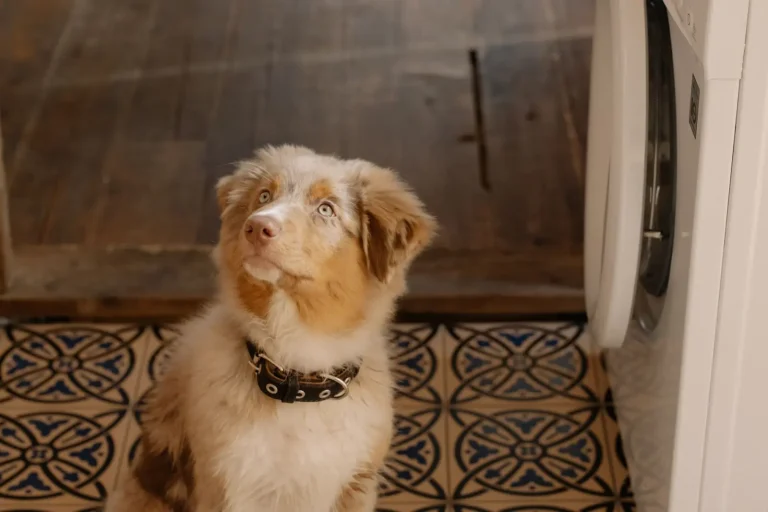

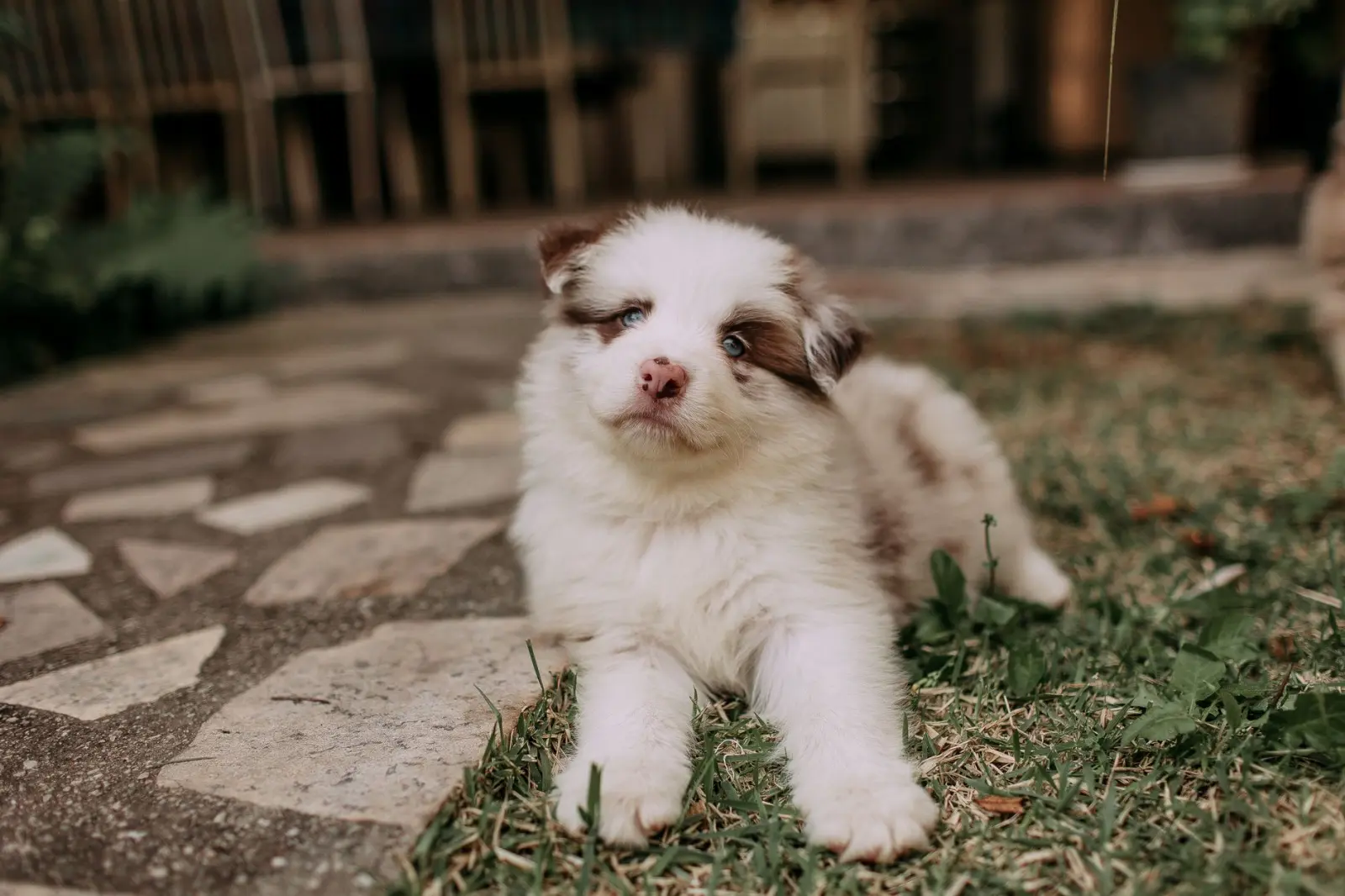
Australian Shepherd puppies are born with an enormous need for sleep, and this need doesn’t diminish quickly. In my experience working with litters and young pups, one of the most common oversights new owners make is underestimating just how much rest these dogs require. A young Australian Shepherd – particularly in the first three to four months – will spend the majority of their day sleeping. This isn’t laziness or a sign of illness. It’s how puppies grow, consolidate learning, and develop neurologically.
During the first eight weeks, expect your puppy to sleep somewhere between 18 and 22 hours per day. This sounds extreme, but it’s accurate. The puppy is growing rapidly, their brain is developing at an intense pace, and sleep is when most of that work happens. What you’ll notice is that puppies don’t sleep in long, consolidated blocks the way adult dogs do. Instead, they cycle through short bursts of intense activity – playing, exploring, chewing – followed by sudden crashes into deep sleep. These crashes often happen mid-play, sometimes so abruptly that a puppy will fall asleep standing up or collapse mid-chew.
The Sleep Cycle Pattern in Young Puppies
The rhythm of a young Australian Shepherd’s day is fairly predictable once you recognize it. A puppy might be energetic and engaged for 30 minutes to an hour, then need to sleep for two to three hours. This cycle repeats throughout the day and night. What complicates this for owners is that puppies don’t naturally align their sleep with human schedules. A puppy might be wide awake at 2 a.m. and desperate to sleep at 6 p.m. when you’re trying to have dinner.
Between 8 and 16 weeks old, the sleep requirement remains high – typically 15 to 20 hours daily. The difference you’ll notice is that sleep periods become slightly more consolidated. Instead of sleeping for two hours, a puppy might manage three or four. But the overall pattern stays the same: short activity windows punctuated by long rest periods. This is also the phase when house training becomes realistic, because the puppy’s bladder is developing enough to hold urine for longer stretches, often aligning with their sleep periods.
Why This Much Sleep Matters
Sleep isn’t optional for puppies. During deep sleep, the puppy’s body releases growth hormone, which is essential for bone development, muscle growth, and organ maturation. The brain is also processing and storing information from their waking hours – experiences, training, social interactions, and sensory input. When a puppy doesn’t get adequate sleep, you see behavioral changes that owners sometimes misinterpret as stubbornness or hyperactivity. An overtired puppy becomes difficult to manage, bites more frequently, struggles to focus during training, and may develop anxiety.
I’ve observed that owners often mistake an overtired puppy for an under-exercised one. The puppy is bouncing off walls, won’t settle, and seems to have endless energy. The instinct is to take the puppy out for more activity, which actually makes things worse. What the puppy needs is enforced rest. A tired puppy that hasn’t slept enough will spiral into a state where they can’t self-regulate, and the only solution is to create conditions that allow sleep to happen.
Environmental Factors That Affect Sleep Quality
Where and how a puppy sleeps influences how well they rest. A puppy that sleeps in a quiet, low-stimulation space will sleep more deeply and for longer stretches than one in a busy household or exposed to constant activity. This doesn’t mean keeping the puppy in isolation, but it does mean recognizing that a puppy crate or pen in a quiet room serves a real developmental purpose. When the puppy is in that space, they’re not being deprived – they’re being given the opportunity to rest properly.
Temperature also plays a role. Puppies can’t regulate their body temperature as efficiently as adult dogs, so a sleeping space that’s too cold or too warm disrupts rest. A puppy that’s slightly cool will sleep more soundly than one that’s overheating. Bedding matters too. A soft, comfortable surface encourages longer sleep periods compared to a hard floor or thin mat.
The Transition as Puppies Age
Around four to six months old, you’ll notice the sleep requirement beginning to decrease. The puppy might drop to 12 to 15 hours of sleep daily. By six months, many Australian Shepherds are sleeping 10 to 12 hours per day, though they still need more rest than adult dogs. The sleep periods also become more adult-like – longer individual naps rather than constant cycling. A six-month-old puppy might sleep through the night, nap for two hours in the morning, be active mid-day, and rest again in the evening.
It’s important not to interpret this decrease as permission to increase activity or training intensity. The puppy is still developing, and their bones, joints, and nervous system need adequate rest. Overexercise during the first year, particularly high-impact activities like jumping or running on hard surfaces, can cause lasting damage to growing joints. Sleep supports recovery from whatever activity the puppy does engage in.
By 12 months, most Australian Shepherds are approaching adult sleep patterns, though they may still need slightly more rest than a fully mature dog. The exact amount varies by individual, but 8 to 10 hours of sleep per day is typical for an adult Australian Shepherd, with additional rest periods during the day.
Recognizing Sleep Deprivation
A puppy that isn’t getting enough sleep shows clear signs. They become hyperactive and difficult to redirect. Training becomes nearly impossible because the puppy can’t focus. Biting and mouthing increase significantly. The puppy may seem anxious, whining or crying frequently. Some puppies become aggressive or overly reactive to normal stimuli. Housebreaking regresses because the puppy’s self-control deteriorates. If you’re seeing these behaviors, the first thing to consider is whether the puppy is actually getting adequate rest, not whether you need more training or stricter discipline.
In contrast, a well-rested puppy is calmer, more responsive to training, and easier to manage overall. The difference is striking once you recognize it. The same puppy that seemed impossible to work with becomes cooperative and engaged after a few days of enforced, adequate sleep.
Managing an Australian Shepherd puppy’s sleep is less about forcing a schedule and more about understanding their genuine developmental needs. These puppies are bred to work, and that drive emerges early, but the puppy’s body and brain need substantial rest to develop properly. The owners who have the easiest time with their puppies are typically those who prioritize sleep early on, creating the conditions for it to happen naturally, and then don’t mistake a well-rested puppy’s calmness for boredom or lack of exercise.