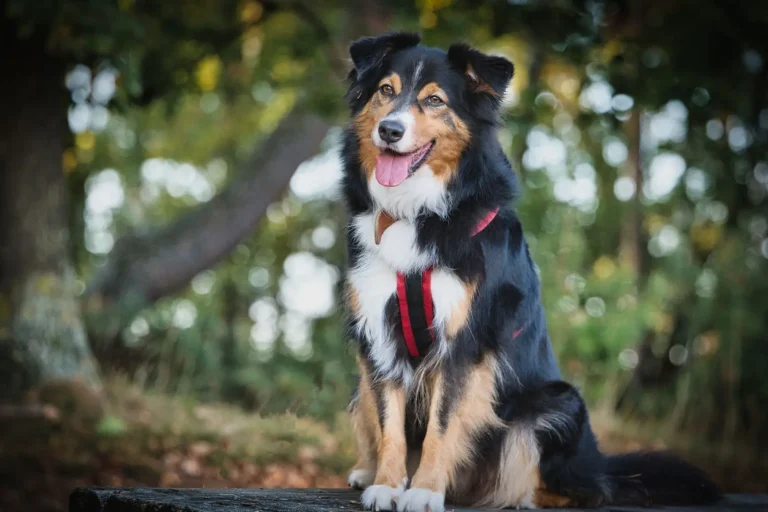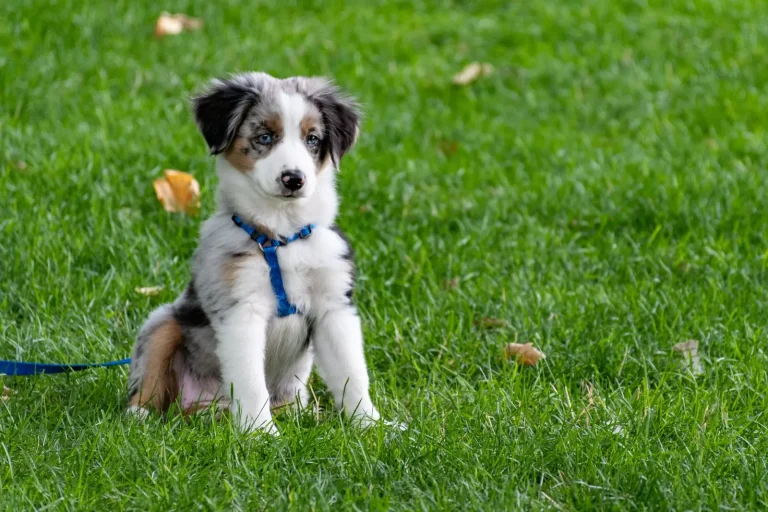

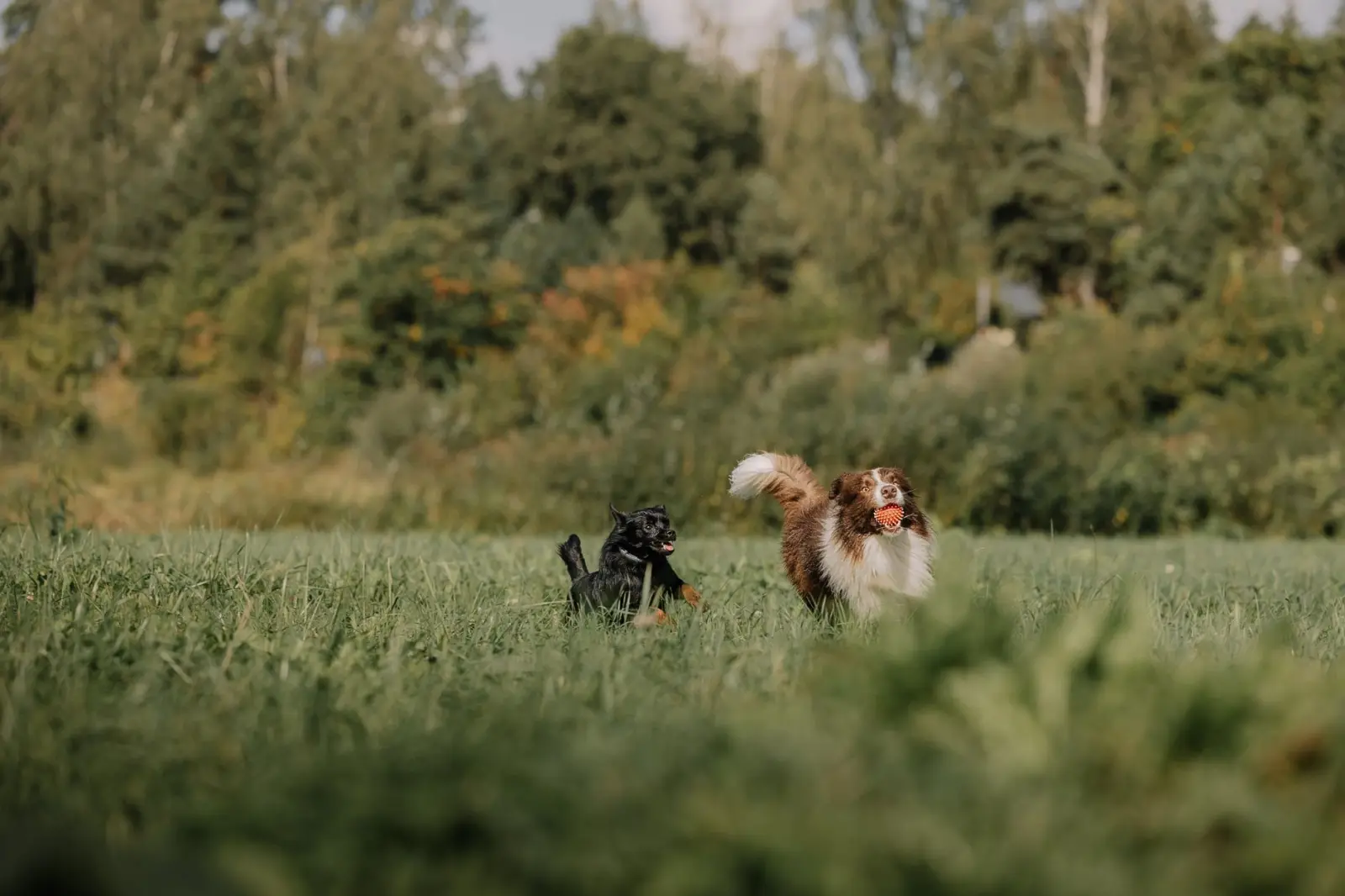
Australian Shepherds arrive with a particular kind of energy that catches a lot of people off guard. It’s not simple hyperactivity or nervousness – it’s a focused, purposeful intensity that comes from generations of herding work. When you live with one of these dogs, you quickly realize that the problem isn’t the energy itself. The problem is what happens when that energy has nowhere to go.
I’ve worked with dozens of these dogs over the years, and the pattern is always the same. An owner brings home a young Aussie, expecting a normal dog, and within weeks they’re exhausted. The dog is jumping, nipping, spinning, destroying things, and generally making life chaotic. Most people’s first instinct is to try to calm the dog down – more obedience training, stricter rules, longer walks. Some of that helps, but it misses the core issue. An overexcited Australian Shepherd isn’t misbehaving because it’s broken. It’s behaving exactly as it was designed to behave, just without appropriate direction.
The dogs that seem the most “difficult” are often the ones with the strongest working instinct. They notice everything. They respond to movement, sound, and change instantly. Their brain is constantly scanning for a job to do. When there’s no job, they invent one, and that usually involves whatever is most stimulating in their environment – which might be your hands, your clothes, your other pets, or your furniture.
The Role of Mental Work Over Physical Exhaustion
One of the biggest misunderstandings I encounter is the belief that an overexcited Aussie just needs more exercise. People will double their walks, add running sessions, throw the ball endlessly. The dog still comes home wired. This happens because physical exercise alone doesn’t satisfy what’s driving the behavior. These dogs need their brain engaged in a way that feels purposeful to them.
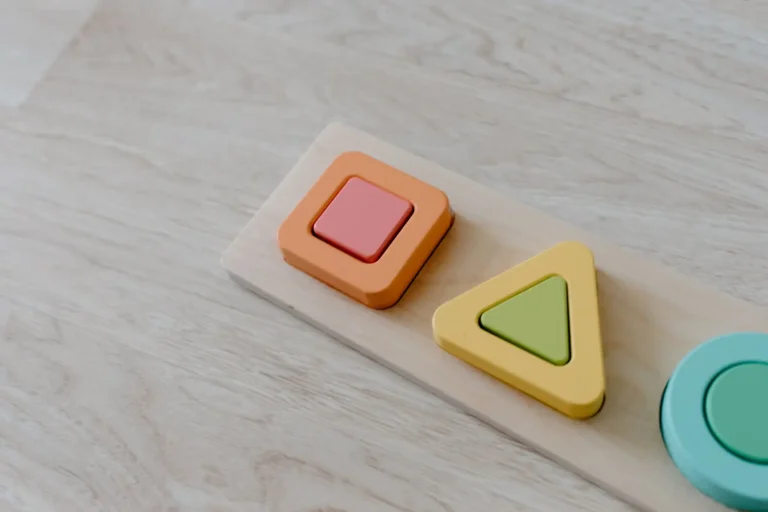
I’ve seen dogs transform when their owners shift focus from “tire them out” to “give them a job.” That job doesn’t have to be herding livestock. It could be learning to focus on you during a training session, working through a puzzle toy, or practicing impulse control games. The difference is immediate and noticeable. A dog that has been mentally engaged for twenty minutes often settles better than one that has run for an hour.
This doesn’t mean physical exercise becomes unimportant. A young Aussie still needs adequate outlet for their body. But the sequence matters. Mental work first, then physical activity, creates a different state of mind. The dog learns that focus and attention lead to good things, and that sense of purpose carries over into the rest of the day.
Impulse Control as Foundation
What I notice most often in overexcited Aussies is poor impulse control. The dog sees movement and reacts instantly. Someone walks toward the door and the dog is already there. You pick up a toy and the dog is jumping. This isn’t disobedience – it’s a lack of the internal pause that allows a dog to make choices rather than just react.
Building impulse control is slower work than people expect, and it’s not glamorous. It involves a lot of sitting, waiting, and rewarding the dog for doing nothing. But it’s the foundation that makes everything else possible. I’ll often start with simple exercises: the dog waits at the door before going outside, waits before eating, waits before getting the toy. These aren’t tricks. They’re teaching the dog that pausing creates good outcomes.
An Australian Shepherd that has learned to pause before reacting is already halfway to being manageable. The energy is still there, but it’s no longer completely reflexive. The dog can now receive a cue before acting, which means you have a moment to direct that energy somewhere useful.
Environmental Management Matters More Than People Realize
I’ve worked with dogs in homes where the owners were doing everything “right” with training, but the dog was still struggling because the environment was working against them. Too much visual stimulation, too many people coming and going, access to toys and objects that trigger excitement – these things add up.
An overexcited Aussie benefits from an environment that doesn’t constantly trigger their drive to react. This might mean managing where the dog spends time during the day, controlling access to windows where they can see movement outside, or reducing the number of toys available at once. It sounds restrictive, but it’s actually freeing. A dog that isn’t constantly overstimulated can settle more easily and learn more effectively.
I also notice that Aussies respond well to routine and predictability. When a dog knows what to expect – when meals happen, when training happens, when exercise happens – the baseline anxiety drops. They’re less likely to create their own stimulation when they’re confident about what’s coming next.
The Importance of Appropriate Outlets
Some of the best-behaved Aussies I’ve encountered have regular access to activities that satisfy their specific drives. For some dogs, this is actual herding work or herding trials. For others, it’s structured sports like agility or obedience competition. But it can also be simpler things: a regular training session where the dog practices focus and responsiveness, a puzzle toy that requires problem-solving, or even a designated area where the dog is allowed to dig or chase a flirt pole.
The key is that these activities feel purposeful to the dog. They’re not just ways to burn energy. They’re channels for the dog’s natural instincts in a controlled, rewarding context. A dog that gets to do something that feels like real work is often much more settled in the rest of life.
Without these outlets, Aussies often develop their own “jobs,” which usually involve behaviors their owners don’t want. A dog might become obsessed with chasing shadows, nipping at heels, or herding children around the house. These aren’t problems to punish. They’re signs that the dog’s drive needs a better outlet.
Consistency in Response
One pattern I see repeatedly is inconsistency in how people respond to excitement. One day jumping is ignored, the next day it’s corrected. One person in the household allows the behavior, another doesn’t. An Aussie in this situation becomes confused and often more excited, because they’re never quite sure what the rule is.
The dogs that settle best are the ones where everyone in the household responds the same way to the same behaviors, consistently, every time. This doesn’t mean harsh correction. It means that when the dog jumps, they don’t get attention – they get redirected to a calm behavior instead. When they settle, they get rewarded. The consistency is what allows the dog to understand the pattern and eventually choose the calmer option on their own.
An overexcited Australian Shepherd is often a dog that hasn’t yet learned that calm behavior gets them what they want. Once they learn that lesson, through consistent experience, the excitement typically decreases on its own. The energy doesn’t disappear, but it becomes directed rather than scattered. That’s when you have a dog that’s actually pleasant to live with, rather than one you’re constantly managing.