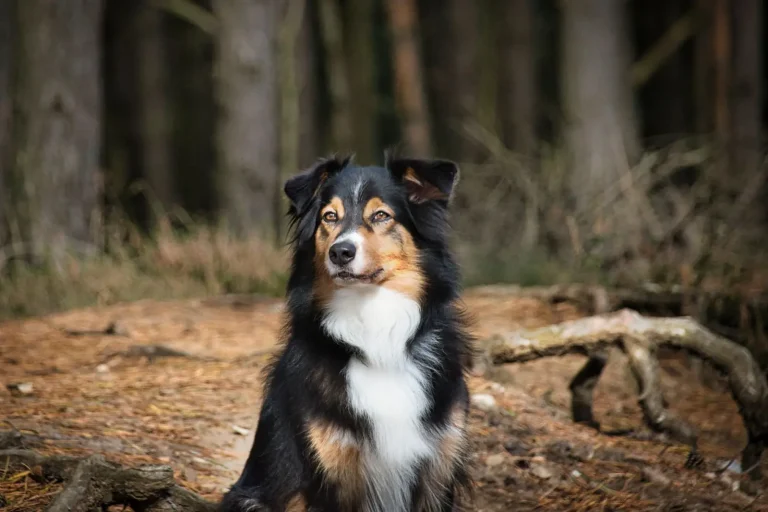

After years of walking dogs across different regions of Australia, I’ve learned that finding a suitable trail involves more than just checking a map or reading online reviews. The landscape here is genuinely varied – from coastal paths to inland scrub to mountain terrain – and what works for one dog won’t necessarily work for another. The real skill is understanding what to look for before you arrive at a trailhead, and recognizing when conditions have shifted since your last visit.
Australia’s climate plays a larger role in trail suitability than many people initially realize. Heat is the obvious concern, but it’s more nuanced than simply avoiding midday walks. The ground temperature, humidity, and availability of water sources all matter significantly. A trail that’s perfectly fine in May might be genuinely dangerous in January, not because of the air temperature alone but because the ground becomes too hot for paw pads and shade is sparse. I’ve seen dogs develop blistered feet from hot sand and rock surfaces far more often than people expect. Coastal trails in summer can be particularly deceptive – the ocean breeze feels cool, but the sand and rock absorb and radiate heat intensely.
Where to Start Looking
Local council websites are a reliable starting point, though they’re often incomplete. Most councils maintain lists of parks and reserves with dog access information, but the detail level varies wildly. Some specify off-leash areas clearly; others are vague about restrictions. I’ve found that the most useful information usually comes from parks and wildlife management authority websites, which often have detailed maps showing designated dog areas and any seasonal closures. In Australia, these vary by state – Parks Victoria, NSW National Parks, Queensland Parks and Wildlife Service – so you need to know which authority manages the area you’re interested in.
Online mapping tools like Google Maps and AllTrails can show trails, but they rarely capture the current dog-friendliness status or recent condition changes. A trail marked as accessible might have been closed for maintenance, or restrictions might have changed. I’ve learned to treat these as starting points rather than definitive sources. The comments section on AllTrails sometimes contains useful local knowledge, though it’s mixed with outdated information and overly enthusiastic reviews that don’t reflect typical conditions.
What Local Knowledge Actually Reveals
Talking to people who regularly walk in a specific area is genuinely valuable, but you need to ask the right questions. General comments like “it’s a nice walk” don’t tell you much. What matters is understanding terrain type, water availability, shade patterns, and how busy it gets. A quiet trail in winter might be overwhelmed on weekends in spring. A shaded forest walk might have sections of exposed terrain where the ground temperature becomes problematic. I’ve found that local dog training groups and breed-specific meetups often have members who know specific trails intimately and can describe actual conditions rather than impressions.
Social media groups focused on local areas – particularly Facebook groups for specific suburbs or regions – often contain useful trail discussions. People tend to post about problems they’ve encountered, which is actually more helpful than positive reviews. Someone mentioning that a trail was closed due to snake activity, or that the creek was dry last month, gives you practical information you can use to make decisions.
Assessing Terrain and Surface Types
Different dogs handle different surfaces differently, and this affects both comfort and safety. Sandy trails are common along the coast and in some inland areas, but sand temperature varies dramatically. Wet sand near the waterline is cooler and safer; dry sand above the tide line can be uncomfortably hot. Rocky terrain requires dogs with tougher paw pads and careful footing, particularly if they’re not used to scrambling. Soft forest floor is generally comfortable but can hide obstacles and uneven ground. Gravel paths are common in managed parks and are usually the most predictable surface.
Bitumen and concrete trails are popular in urban and semi-urban areas because they’re well-maintained and often have good shade from street trees. However, they can be hard on joints over long distances, particularly for older dogs or those with existing joint issues. I’ve noticed that dogs walking regularly on hard surfaces sometimes develop subtle gait changes that suggest joint stress, even if they don’t show obvious lameness.
Water and Shade Considerations
Reliable water access is critical, especially in warmer months. A trail with a creek running through it is genuinely different from one without water sources. Some dogs will drink from natural water sources without hesitation; others won’t. Either way, knowing whether water exists affects how long you can safely walk and whether you need to carry supplies. Stagnant water in ponds or slow-moving sections can carry parasites, so creek water is generally preferable to standing water.
Shade patterns change throughout the year and throughout the day. A trail that’s heavily shaded in winter might be quite exposed in summer when deciduous trees lose leaves. Eucalyptus forests provide dappled shade that’s better than no shade but not as protective as dense rainforest. I’ve learned that understanding the dominant vegetation type tells you a lot about what shade will actually be available. Open grassland trails offer almost no shade regardless of season. Coastal heathland provides minimal shelter from sun and wind.
Restrictions and Seasonal Closures
Dog access restrictions vary significantly across Australia and can change seasonally. Some areas restrict dogs during nesting season for ground-nesting birds. Others have permanent off-leash areas while nearby sections require leads. National parks often have stricter rules than local council reserves. State forests might allow dogs in some sections but not others. These restrictions exist for legitimate reasons – protecting wildlife, managing erosion, or preventing conflicts – but they’re often poorly communicated on signage.
Seasonal closures happen for various reasons. Fire danger periods in summer and autumn might close trails entirely or restrict access to certain hours. Wet season closures in tropical areas prevent damage to trails and protect dogs from hazardous conditions. Some areas close trails during animal breeding seasons. Checking before you go is essential, but even official websites sometimes lag behind actual conditions. A trail might be officially open but practically inaccessible due to recent flooding or storm damage.
Practical Navigation and Safety
Once you’ve identified a trail that seems suitable, the first visit should be a reconnaissance rather than a full outing. Walk it yourself or with your dog at a slower pace than you’d normally go. Notice where the shade actually is, where the ground gets hot, where water sources are located, and whether the terrain matches what you expected. This initial assessment takes time but prevents problems later. I’ve found that a 30-minute careful first walk tells you far more than reading descriptions or looking at photos.
Carry water for your dog even if a trail is supposed to have water sources. Creeks dry up, particularly in drier months. Stagnant water might not be safe. Having your own supply means you’re not dependent on finding suitable water along the way. A collapsible bowl takes minimal space and weighs almost nothing. This is a basic precaution that prevents most heat-related issues during walks.
Weather conditions change rapidly in many parts of Australia. A walk that’s fine in the morning can become problematic by afternoon as temperature rises and wind increases. I’ve learned to check weather forecasts not just for temperature but for wind speed and humidity, which often matter more than the headline temperature. A 28-degree day with low humidity and a breeze is manageable; a 26-degree day with high humidity and no wind can be genuinely dangerous for extended activity.
Starting early in the day is a practical strategy that works across most of Australia. Early morning temperatures are lower, shade is often better because the sun is lower in the sky, and trails are usually less crowded. This is particularly important in summer months when the difference between a 6am walk and a 10am walk can be substantial in terms of ground temperature and comfort.