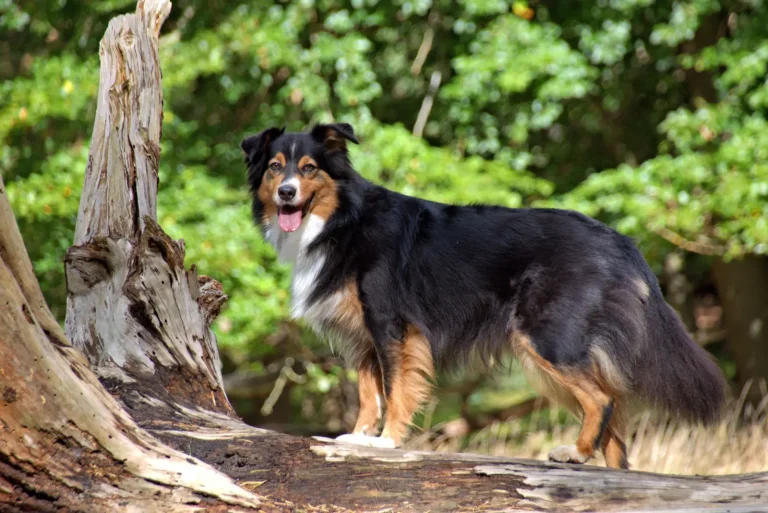

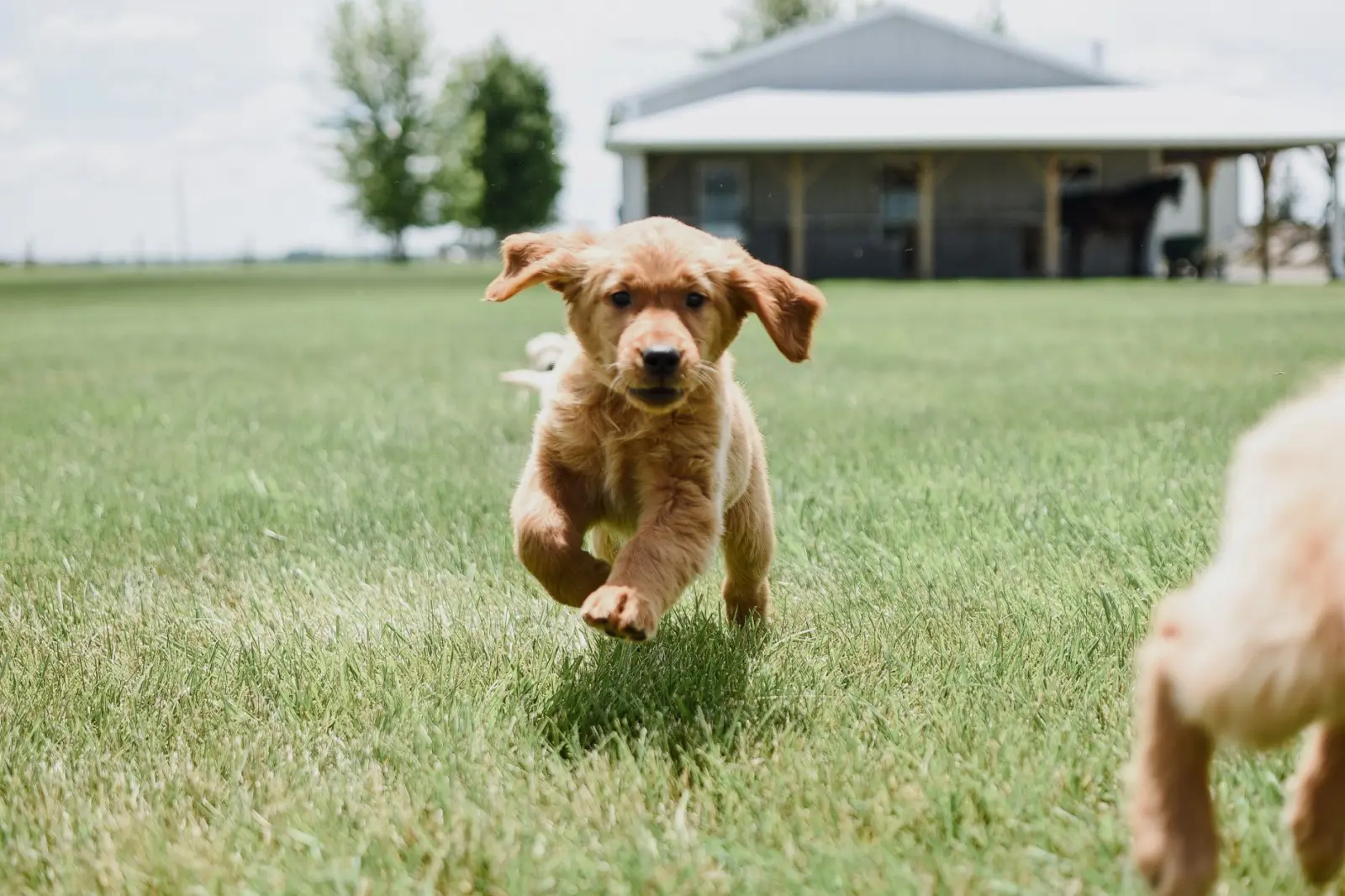
Australian Shepherd puppies are born with an almost relentless drive to move. They’re bred for work, and that genetic predisposition shows up early – often within weeks of weaning. What I’ve observed consistently over years of working with this breed is that owners frequently misread this energy as a sign the puppy is ready for serious exercise. The reality is more nuanced. Those first eighteen months are when the skeletal system is most vulnerable, and the damage done during this window often doesn’t show up until the dog is three or four years old.
The fundamental issue is timing. Australian Shepherds have a growth pattern that extends well beyond what many people expect. Their growth plates – the soft cartilage areas at the ends of bones where new bone forms – don’t fully close until around eighteen months, sometimes later in larger individuals. During this period, the bones are structurally weaker than they will be in adulthood. High-impact activity, repetitive jumping, or sustained running on hard surfaces can cause microfractures or inflammation that accumulates over time. The puppy may show no immediate signs of pain, but the joint cartilage is being stressed in ways that predispose it to early osteoarthritis.
Growth Plates and Load Tolerance
I’ve seen puppies that seemed completely normal at six months develop lameness or joint stiffness by age three. When you trace back the activity history, the pattern is almost always the same: the owner was letting the puppy run freely, play fetch for extended periods, or jump on and off furniture during the critical growth phase. The damage was silent and cumulative.
The challenge is that Australian Shepherd puppies don’t naturally self-limit. A three-month-old will chase a ball until it collapses from exhaustion, not because it’s reached a safe threshold, but because the drive overrides the body’s feedback. This is where the owner’s judgment becomes essential. The common guideline of five minutes of exercise per month of age – so fifteen minutes at three months, twenty-five minutes at five months – actually works reasonably well for this breed, though it needs to be structured, not just free-form activity.
What matters more than total time is the type of activity. Controlled leash walks on varied terrain are significantly safer than off-leash running. Walking engages the stabilizer muscles around the joints and allows the puppy to set its own pace. Fetch on grass is less damaging than fetch on concrete. Swimming is excellent because it provides cardiovascular work and muscle engagement without the impact load. I’ve found that puppies who spent their growth phase doing mostly leash work and swimming developed noticeably better joint stability than those who had unlimited access to yards and play.
The Deceptive Middle Phase
Between six and twelve months, Australian Shepherd puppies hit a particularly deceptive stage. They’re large enough to look nearly adult, strong enough to seem capable of serious work, and their coordination has improved dramatically. Owners often feel confident increasing activity at this point. I’ve watched this decision create problems repeatedly. The puppy still has open growth plates. The bones are longer now, which means the mechanical stress on joints is actually increasing. A nine-month-old Australian Shepherd running hard is putting more force through its shoulders, hips, and knees than a five-month-old, even though the growth plates are still soft.
This is also when jumping becomes a real concern. Jumping off decks, out of truck beds, or onto furniture might seem like normal play, but the impact forces are substantial. The landing phase is particularly hard on the knees and hips. I’ve recommended to many owners that they manage the environment during this phase – use ramps or steps, discourage jumping, keep the puppy from launching off heights. It seems like an overreaction until you see a two-year-old with early cartilage damage.
Nutrition and Bone Development
Exercise is only half the equation. Nutrition directly affects how bones and cartilage develop. Australian Shepherd puppies need adequate protein, but excessive calories – particularly from oversupplementation with calcium and phosphorus – can actually accelerate growth in ways that stress the skeletal system. Large-breed puppy formulas exist for a reason. They’re designed to support controlled growth rather than maximum growth speed.
I’ve noticed that puppies fed on high-calorie or adult formulas tend to grow faster and show more joint issues by eighteen months than those on appropriate large-breed puppy diets. The difference isn’t dramatic in individual cases, but it’s consistent. Overfeeding is also a factor. A chubby puppy isn’t cute – it’s putting extra load on developing joints. Keeping a growing Australian Shepherd lean, where you can feel the ribs easily, reduces joint stress significantly.
Recognizing Early Signs
Not all joint problems announce themselves loudly. Lameness is obvious, but the earlier signs are subtle. A puppy that seems slightly stiff after exercise, or that favors one leg just slightly when tired, might be showing early joint inflammation. Some puppies develop a reluctance to jump that gets dismissed as personality rather than recognized as discomfort. Others show it as a shortened stride or a slight hitch in their gait that resolves after a few minutes of movement.
If a puppy shows any of these patterns, the response should be to reduce activity immediately and have it evaluated. Early intervention – rest, controlled movement, sometimes anti-inflammatory support – can prevent minor inflammation from becoming chronic damage. Waiting to see if it resolves on its own often means missing the window where intervention is most effective.
By the time an Australian Shepherd reaches eighteen months, the growth plates have largely closed and the skeleton is structurally mature. At that point, the damage that was going to happen has mostly happened. The puppy that spent its growth phase doing controlled leash work, swimming, and limited play will typically have better joint health going forward than one that had unlimited activity. This isn’t about preventing normal play or creating an anxious, under-exercised dog. It’s about channeling that substantial energy in ways that don’t compromise the structural foundation the dog needs for a long, sound working life.