
Australian Shepherds arrive with a particular kind of attention already built in. They’re bred to move stock across open ground, which means their eyes and mind are naturally scanning for movement, for changes in the environment, for anything that needs managing. This trait makes engagement training both easier and more complicated than it is with many other breeds. The dog isn’t starting from zero – it’s starting from a place of constant vigilance. What engagement training actually does is redirect that vigilance toward you, rather than letting it scatter across every leaf that moves.
I’ve worked with hundreds of these dogs over the years, and the ones with the strongest engagement aren’t necessarily the ones who’ve done the most formal training. They’re the ones whose owners understood early that an Australian Shepherd needs a job that involves paying attention to a person. Without that framework, the dog’s natural focus becomes a liability. The dog notices everything except what you want it to notice.
The foundation of engagement isn’t complicated, but it does require consistency. It starts with recognizing that your Australian Shepherd is already watching you – you just need to make watching you rewarding. Most owners try to build engagement by asking for sits and downs, which is backward. You’re not teaching the dog to engage; you’re teaching it to perform commands. Engagement comes first. It’s the willingness to orient toward you and maintain that orientation even when other things are happening.
How Engagement Differs from Basic Obedience
There’s a real difference between a dog that will sit when you ask and a dog that keeps its attention on you because it genuinely expects something good to happen. An Australian Shepherd can learn to sit on command without ever developing real engagement. The dog performs the behavior because it’s learned the association, not because it’s chosen to focus on you as the source of interesting things.
Engagement training builds that choice. When you’re working on engagement, you’re creating a pattern where the dog learns that looking at you, staying near you, and maintaining connection produces rewards. The dog starts to check in with you voluntarily. This matters enormously with Australian Shepherds because they have such strong independent problem-solving drives. A dog that has real engagement will consult you before deciding what to do. A dog without it will solve problems on its own terms.
I’ve seen this play out in countless situations. A dog with strong engagement will hesitate before chasing something, glancing back to see if you’re interested. A dog without it will be gone before you’ve finished saying its name. That hesitation – that moment of checking in – is what engagement training creates. It’s not about control in the traditional sense. It’s about the dog valuing your input enough to pause and consider it.
The Reality of Working with High-Drive Dogs
Australian Shepherds bred from working lines present a particular challenge. These dogs have been selected for generations to make decisions independently and to maintain focus on a task even when distracted. Engagement training with these dogs isn’t about suppressing that drive – it’s about channeling it. You’re not trying to make the dog less interested in its environment. You’re trying to make the dog more interested in you than in its environment, at least when it matters.
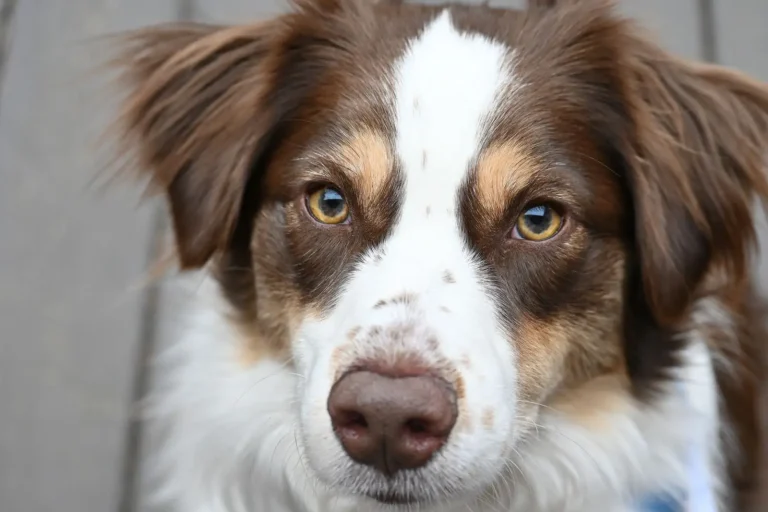
The mistake I see most often is owners trying to build engagement through repetition and drilling. They’ll do dozens of sits and downs, reward the dog, and assume engagement is happening. But the dog is just learning a game: sit, get treat, repeat. That’s not engagement. That’s transaction. Real engagement shows up in the dog’s body language. The dog’s ears are forward. Its eyes are soft but focused. It’s relaxed but attentive. These are the signs that the dog is genuinely connected to you, not just waiting for the next command.
Building this requires patience and a willingness to reward the dog for doing almost nothing. I spend a lot of time just rewarding Australian Shepherds for looking at me. Not for sitting. Not for responding to a cue. Just for looking. This seems trivial until you realize how powerful it is. The dog learns that eye contact with you is the most valuable thing it can offer. Everything else flows from that.
Practical Patterns That Build Real Connection
The most effective engagement work I’ve done involves variable rewards and unpredictability. Australian Shepherds are smart enough to figure out patterns, and once they do, they often decide the pattern isn’t worth their time. If you reward the dog for looking at you every single time, the dog will eventually calculate whether that’s the best use of its attention. If you reward it sometimes, randomly, the dog stays engaged because it never knows when the reward is coming.
I also pay close attention to what the dog finds rewarding. Food works for most dogs, but not all Australian Shepherds are equally food-motivated. Some of these dogs find the opportunity to work, to chase, or to solve a problem far more rewarding than a treat. I’ve had dogs that would ignore high-value food to chase a tennis ball. Once I understood that, I used ball access as the reward for engagement. The dog learned to focus on me because that focus led to the thing it actually wanted.
Location matters more than people realize. An Australian Shepherd’s engagement in your living room is different from its engagement at a dog park or on a hiking trail. I always build engagement in low-distraction environments first. The dog learns the pattern in a place where success is easy. Then I gradually introduce more challenging environments. The dog that has solid engagement in a quiet room might still struggle at a park, and that’s normal. It doesn’t mean the training failed. It means the dog needs to learn that the same pattern applies even when the world is more interesting.
When Engagement Breaks Down
Sometimes engagement training stalls. The dog seems to get it for a few weeks, then stops checking in. Usually this signals one of a few things. The dog might have found something more rewarding than what you’re offering. It might be experiencing frustration from too much structure or too many rules. Or the dog might be going through a developmental phase where its confidence is increasing faster than its impulse control.
I’ve found that when engagement deteriorates, it’s worth stepping back and asking whether the dog is actually tired. An Australian Shepherd with insufficient physical or mental exercise will struggle to maintain engagement no matter how good the training is. These dogs were built to work for hours. A thirty-minute walk isn’t enough for most of them. If the dog is under-exercised, engagement training becomes a battle against the dog’s own energy and need for stimulation.
Another common issue is the dog becoming too dependent on specific cues or rewards. If the dog only engages when you have a treat pouch visible, or only when you’re in a specific location, the engagement isn’t really portable. Real engagement should work in different contexts with different rewards. Building that flexibility takes time and deliberate variation.
Australian Shepherds respond well to engagement training because it aligns with their nature. They want to work. They want to be connected to a person. Engagement training just gives them a clear framework for expressing those instincts in ways that work for both dog and owner. The training isn’t about controlling the dog’s attention. It’s about making yourself worth attending to.