
Australian Shepherds in Adelaide present a particular set of conditions that don’t always align with what most breed descriptions suggest. I’ve worked with enough of these dogs in this city to know that the theoretical ideal and the lived reality diverge in meaningful ways. The breed’s energy, intelligence, and working drive interact with Adelaide’s specific climate, housing patterns, and lifestyle expectations in ways that catch a lot of owners off guard.
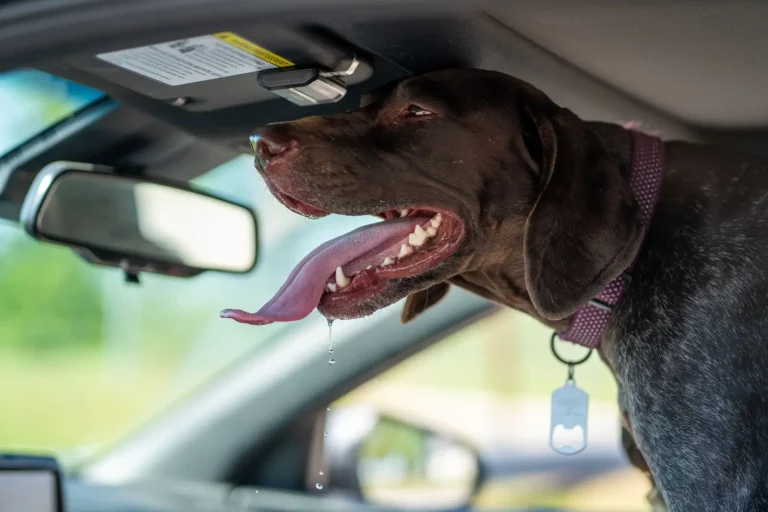
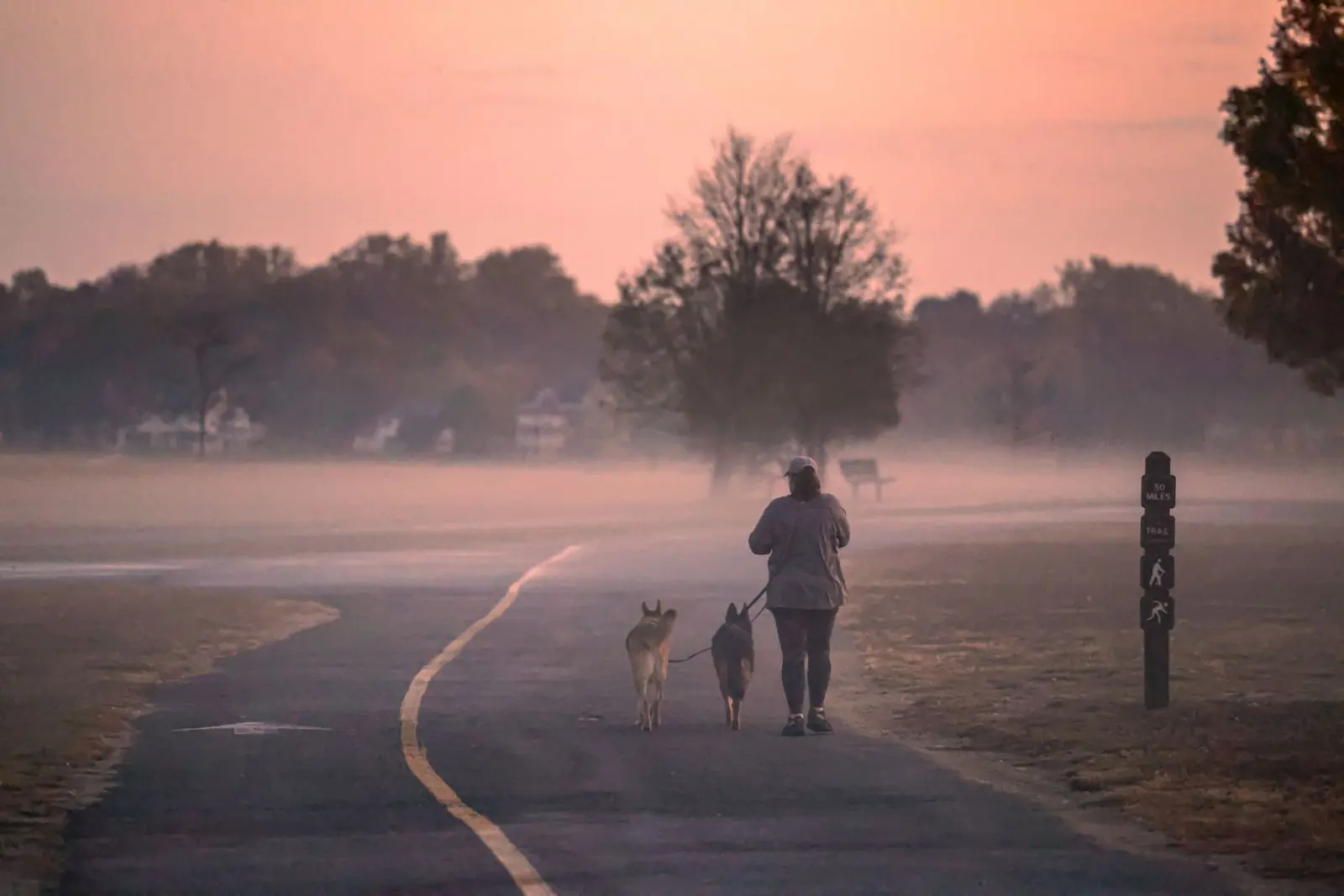
The heat is the first thing that shifts how you actually manage an Aussie here. These dogs have thick double coats designed for temperature regulation in variable conditions, but Adelaide summers push that system harder than most owners anticipate. A dog that thrives on activity and outdoor engagement suddenly becomes a creature that needs to be carefully managed during the day. The afternoon heat – particularly from November through February – isn’t something you work around casually. It changes your entire schedule. Early morning walks become non-negotiable, not optional. Evening exercise shifts later, sometimes not starting until after 7 PM. This isn’t about being cautious; it’s about the basic physiology of a dog with that coat in 35-degree heat.
What surprises people most is how this heat sensitivity affects their dog’s temperament. An Aussie that hasn’t had adequate exercise in cooler conditions becomes noticeably more reactive, more prone to fixating on minor stimuli, more difficult to settle indoors. The correlation is direct and observable. The dog isn’t being difficult – it’s thermally compromised and under-stimulated simultaneously. Once you understand this pattern, you stop interpreting behavior as a training problem and start treating it as an environmental management issue.
The Intelligence and Boredom Problem
Australian Shepherds were developed to work livestock across variable terrain for hours. They’re problem-solving animals. Put one in a suburban backyard with a routine walk twice a day and you’re creating a situation where the dog’s brain is actively under-employed. This breeds destructive behavior, obsessive patterns, and a kind of restless intensity that manifests in fence-running, excessive barking, or fixation on moving objects.
In Adelaide, where many properties are modest and urban density is moderate, this becomes a real constraint. The dog needs mental engagement that goes beyond standard obedience training. Puzzle toys, scent work, training sessions that involve problem-solving rather than repetition, access to varied environments – these aren’t luxuries. They’re baseline requirements. I’ve seen dogs that were labeled “anxious” or “aggressive” transform once their owners shifted from thinking about exercise as “getting the dog tired” to thinking about it as “occupying the dog’s mind.” An hour of varied, cognitively demanding activity often achieves more than two hours of repetitive running.
Shedding and the Adelaide Environment
The double coat sheds year-round, with heavier shedding during seasonal transitions. This is well-known. What’s less often discussed is how Adelaide’s dry climate amplifies this. The lower humidity means shed hair doesn’t clump or hold moisture – it disperses more readily through living spaces. Regular brushing isn’t optional maintenance; it’s a weekly necessity if you want to maintain any control over hair in your home. During the main shedding periods in autumn and spring, daily brushing becomes realistic.
The breed’s coat also tends to accumulate dust and pollen more readily in Adelaide’s environment, particularly during high pollen season and when there’s dust from the surrounding regions. A dog that’s been outside for an hour in October can bring a noticeable amount of material into the house. This matters if anyone in the household has allergies or respiratory sensitivity. It’s not a reason to avoid the breed, but it’s a practical reality that shapes daily routines.
Social Needs and Urban Living
Aussies are social dogs, but not in the way that makes them universally friendly. They tend to bond intensely with their family and can be reserved or suspicious with strangers. In Adelaide’s dog parks and suburban settings, this manifests as a dog that may not be the gregarious, play-with-everyone type. Some owners expect their Aussie to enjoy dog park socializing the way a Labrador might. That’s often not the case. Many Aussies are selective about their canine companions and prefer the company of their people.
This selective sociability can actually be an advantage in urban Adelaide, where you might prefer a dog that’s attentive to you rather than distracted by every other dog. But it requires owners who understand that their dog’s aloofness toward other dogs isn’t a behavioral problem – it’s temperament. Training can shape how a dog expresses this, but it won’t fundamentally change the underlying preference.
The breed’s herding instinct also appears in unexpected contexts. A dog that hasn’t had formal herding experience will sometimes display this drive toward children, other pets, or even people moving unpredictably. It’s not aggression; it’s an impulse to control movement. In a household with young children or other animals, this needs to be managed early and consistently. It’s another reason why mental engagement and clear boundaries matter more with this breed than with many others.
Training and Responsiveness
Australian Shepherds are genuinely easy to train in the technical sense. They’re responsive, they retain information quickly, and they’re motivated to work. But they’re also independent thinkers. An Aussie doesn’t simply follow commands because you’ve taught them – they’re evaluating whether the command makes sense to them. This can read as stubbornness when it’s actually the dog applying judgment. A dog that refuses to come when you call might be doing so because it’s identified something more interesting or because it doesn’t understand why you’re calling. The solution isn’t usually more correction; it’s usually clearer communication or addressing the competing motivation.
In Adelaide’s suburban and semi-rural environments, this independence becomes particularly relevant. A dog that escapes the yard or gets off-lead needs to be reliably responsive, not just trained. The difference is subtle but important. Responsiveness comes from the dog genuinely wanting to comply, not from fear of consequences. Building that takes time and consistency, and it requires understanding what motivates your individual dog.
Living with an Australian Shepherd in Adelaide works well when you accept that the breed’s characteristics – the energy, the intelligence, the independent judgment – are features, not problems to be solved. The city’s climate, space constraints, and lifestyle patterns require adaptation, but they’re manageable once you understand what the breed actually needs rather than what you assumed you were getting.