

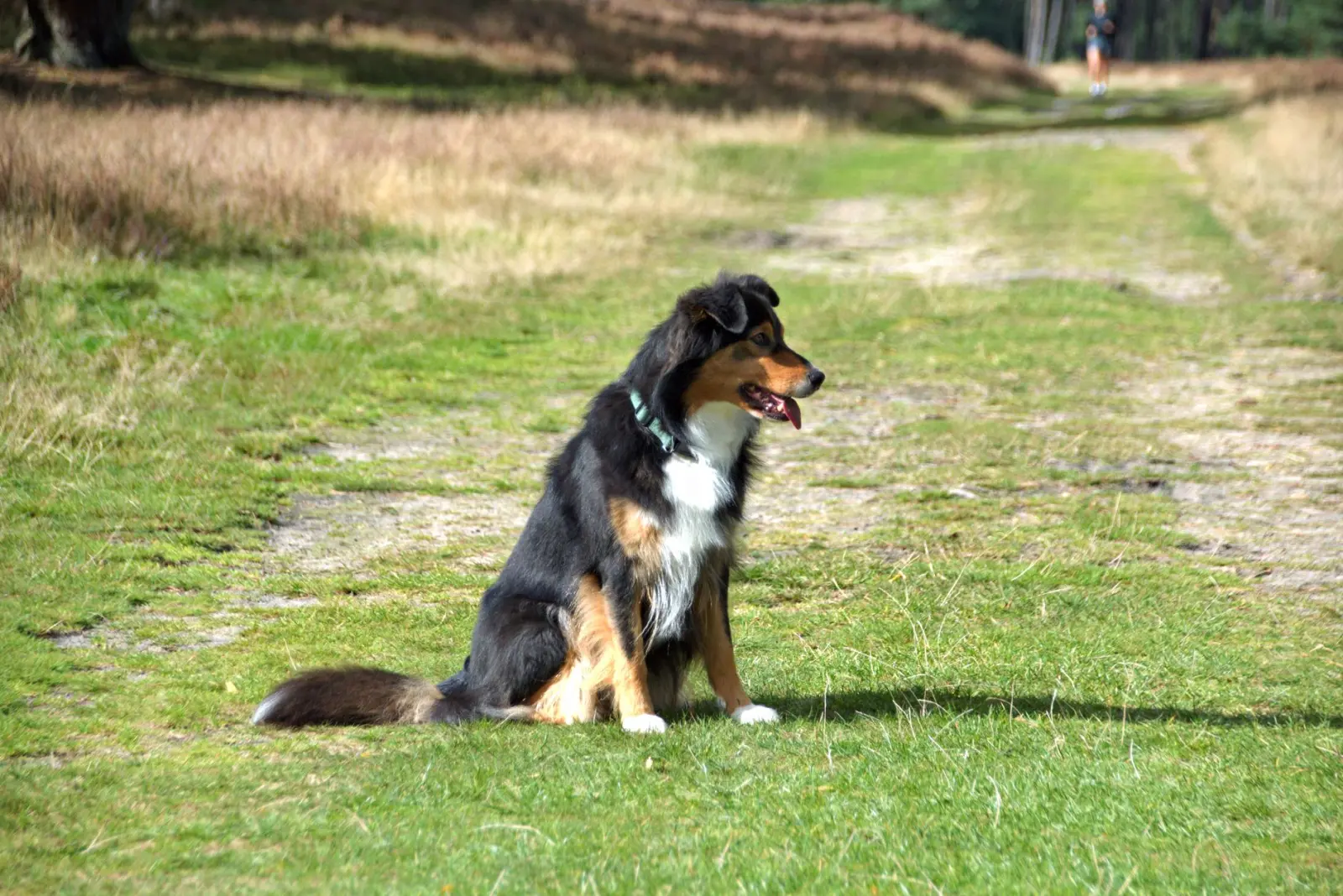
Australian Shepherds in regional Australia operate in a completely different context than their suburban counterparts. After years of working with these dogs across inland properties, small towns, and semi-remote areas, I’ve noticed patterns that don’t appear in breed guides written for metropolitan owners. The breed’s energy, intelligence, and working drive interact with regional conditions in ways that create both advantages and genuine complications.
The first thing that strikes most regional owners is how much sense the breed makes in open space. An Australian Shepherd on five acres behaves differently than one confined to a suburban block. The access to distance, varied terrain, and genuine work opportunities aligns with what these dogs were bred to do. In this environment, many behavioral issues that plague urban owners simply don’t develop. A dog that might become destructive or obsessive in a confined space often settles into a rhythm that feels almost natural when given proper land to work.
That said, access to land doesn’t automatically solve everything. I’ve seen plenty of regional properties where an Australian Shepherd has all the space in the world but still develops problems because the owner hasn’t thought through what the dog actually does with that space. Boredom in a large area looks different than boredom in a small one, but it still happens. The dog might work the fence line obsessively, develop fixations on livestock or vehicles, or engage in repetitive behaviors that suggest the space alone isn’t meeting deeper needs.
Work and Purpose in Regional Settings
These dogs were selected for herding, and that instinct doesn’t disappear because a dog lives on a regional property. Many owners assume that having sheep or cattle nearby will naturally occupy the dog. In practice, it’s more complicated. An Australian Shepherd without proper introduction or training around livestock can become a liability rather than an asset. I’ve seen dogs that chase stock dangerously, dogs that fixate on movement without understanding what they’re supposed to do, and dogs that develop anxiety around animals they’re not equipped to handle.
The dogs that thrive in regional settings usually have some form of structured activity. This might be actual herding work, but it doesn’t have to be. Agility training, regular retrieval work, or even consistent problem-solving tasks seem to matter more than the specific activity itself. What I’ve observed is that the mental engagement matters as much as physical exercise. A dog that spends two hours running around a paddock but has no real objective often shows the same restlessness as an under-exercised suburban dog.
Regional owners sometimes underestimate how much training these dogs need. There’s an assumption that a working dog breed will naturally know what to do, but Australian Shepherds need clear direction and consistent boundaries. In a rural setting where there’s less immediate consequence for mistakes, this can drift. A dog that chases the neighbor’s stock, harasses wildlife, or develops territorial aggression around the property line creates problems that are harder to resolve once established.
Heat, Distance, and Practical Care
Regional Australia means dealing with heat that many owners underestimate, particularly inland. Australian Shepherds have moderate coat density and can manage heat reasonably well, but not without management. I’ve seen dogs in inland areas suffer from heat stress because owners assumed the breed could handle anything. Access to shade, water, and cooler parts of the day becomes non-negotiable in summer. In some regions, exercise timing shifts completely. A dog that can run in the morning in coastal areas might need to be kept indoors during midday heat inland.
Veterinary care becomes a real consideration in regional areas. Many properties are an hour or more from a vet clinic. For a breed prone to certain orthopedic issues and eye conditions, this distance matters. Regular health checks are harder to maintain, and emergency situations become more serious. I’ve known owners who keep detailed records of their dog’s baseline health specifically because they know they can’t access a vet quickly if something changes. It’s not paranoia; it’s practical planning.
Parasites and environmental hazards also differ significantly from urban areas. Ticks, snakes, and other regional threats require different prevention strategies. An Australian Shepherd spending time outdoors in regional Australia faces exposure patterns that suburban owners don’t need to consider. Tick prevention becomes routine rather than occasional, and understanding what to watch for becomes essential knowledge rather than optional information.
Social Needs and Isolation
One aspect of regional ownership that rarely gets discussed is the social dimension. Australian Shepherds are people-oriented dogs. They were bred to work alongside humans, and that need doesn’t disappear on a remote property. A dog left alone for long stretches can develop anxiety or destructive behavior regardless of available space. I’ve seen dogs in ideal rural settings become problem cases because their owners worked long hours away from home and underestimated the dog’s need for regular human contact and engagement.
Regional dog sports and training communities vary wildly depending on location. Some areas have active agility clubs, herding trials, or working dog groups. Others have almost nothing. This affects what’s realistically available for enrichment and training. An owner in an area with no training infrastructure faces different challenges than one near an active dog sports community. Building relationships with other dog owners becomes more deliberate and sometimes requires traveling significant distances.
The breed’s herding instinct can also create social complications. Australian Shepherds sometimes herd children, other pets, or even people during play. In a regional setting where neighbors might be further away and interactions less frequent, this behavior can go unchecked longer than it would in a suburban environment. By the time it becomes a problem, it’s often more entrenched.
Realistic Expectations and Long-Term Ownership
Regional ownership of an Australian Shepherd works best when owners have realistic expectations about what the dog needs and what the environment actually provides. The breed thrives with clear purpose, consistent engagement, and space to move. Regional Australia often provides the space and sometimes the purpose, but the engagement part depends entirely on the owner’s commitment and understanding.
I’ve seen regional owners succeed by treating their Australian Shepherd as an active partner in their life rather than as a dog that will entertain itself. This might mean regular training sessions, structured play, or actual work with livestock. It might mean traveling to dog sports events or maintaining consistent exercise routines. The common factor in successful regional ownership is intentionality. The owners who struggle are usually those who assumed the rural setting would do the work for them.
The breed’s intelligence can work against owners in regional settings if that intelligence isn’t channeled productively. A bored Australian Shepherd becomes creative about finding problems. I’ve encountered dogs that learned to open gates, dogs that developed complex destructive patterns, and dogs that became dangerous around property boundaries. These aren’t failures of the breed; they’re failures of management and engagement.
Over time, what becomes clear is that regional Australia offers genuine advantages for Australian Shepherd ownership if the owner understands what the dog actually needs. Space alone doesn’t create success, but space combined with purpose, training, and consistent human engagement creates conditions where these dogs often thrive. The regional setting can be ideal for the breed, but only when the owner recognizes that the environment is a foundation, not a substitute for the work that ownership requires.