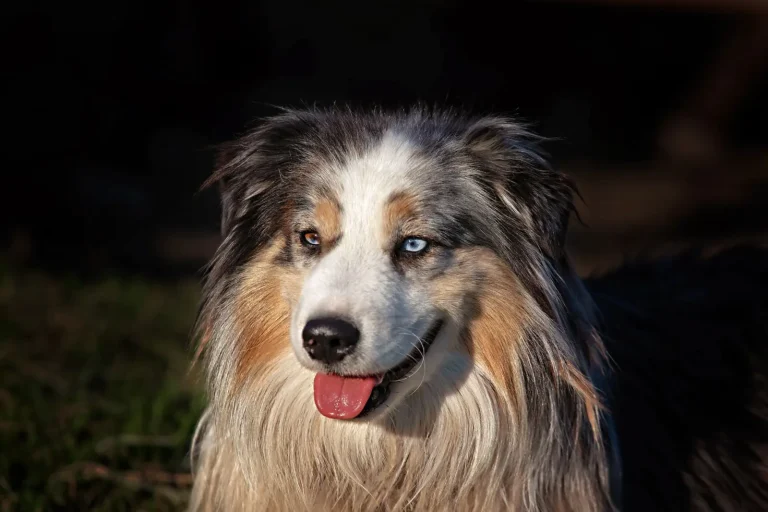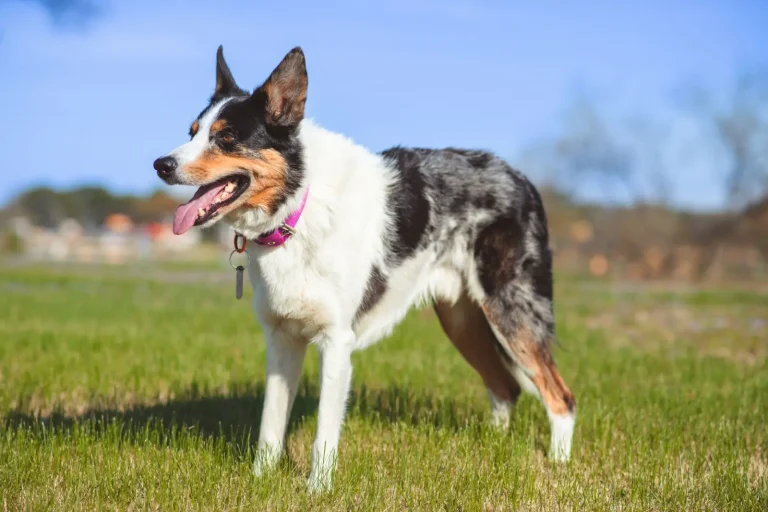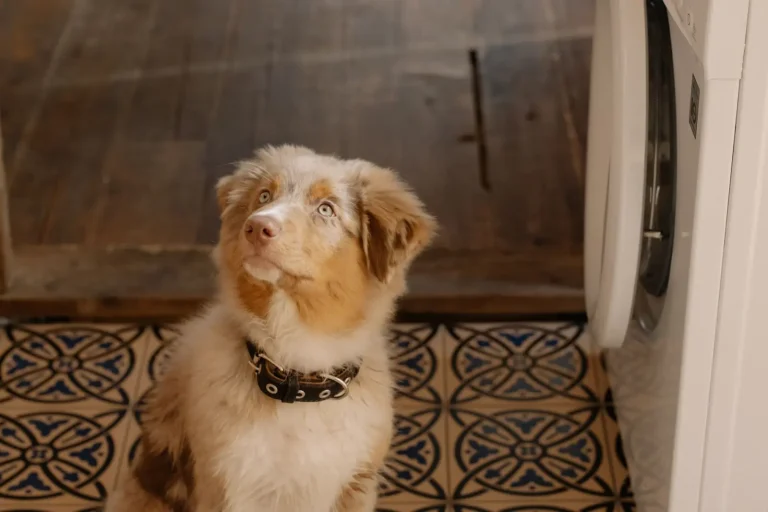

Australian Shepherds have a reputation for shedding, and that reputation is earned. After years of working with these dogs, I can tell you the coat itself is straightforward to understand once you stop thinking of grooming as a cosmetic task and start seeing it as part of managing what the dog actually is. The double coat exists for a reason – it was built to protect a working dog in variable weather, not to look a certain way. Understanding that distinction changes how you approach the whole process.
The outer coat is coarse and moderately long, designed to shed water and debris. Underneath is a dense undercoat that insulates. Both layers shed, but the undercoat is where the real volume happens. Most people don’t realize they’re not actually dealing with one shedding problem – they’re dealing with two different shedding cycles happening on different schedules. The guard hairs shed more gradually throughout the year. The undercoat tends to come out in heavier phases, particularly in spring and fall, though some dogs blow their coat more dramatically than others depending on genetics and whether they live in a climate-controlled environment.
What the Seasonal Pattern Actually Looks Like
If you own one of these dogs, you’ll notice the shedding isn’t random. Spring is the obvious one – the dog is literally dropping its winter undercoat. But fall is often heavier than people expect because the dog is preparing for winter and the shedding cycle can be more intense. Summer shedding is often overlooked because people assume the dog is done, but it continues at a low level year-round. The dogs that live indoors with consistent temperature and light often shed more evenly throughout the year rather than in dramatic bursts, which sounds better until you realize you’re managing it constantly rather than dealing with concentrated periods.
I’ve worked with owners who expected grooming to “solve” shedding, and that’s where disappointment happens. Grooming reduces the loose hair that ends up on your floor and furniture, but it doesn’t stop the shedding process itself. What it does is manage the timeline and volume of what comes out. A dog brushed thoroughly twice a week during a heavy shed cycle will lose less hair around the house than one brushed once a month, but the total amount of hair the dog is going to shed is already determined by biology.
The Practical Grooming Routine
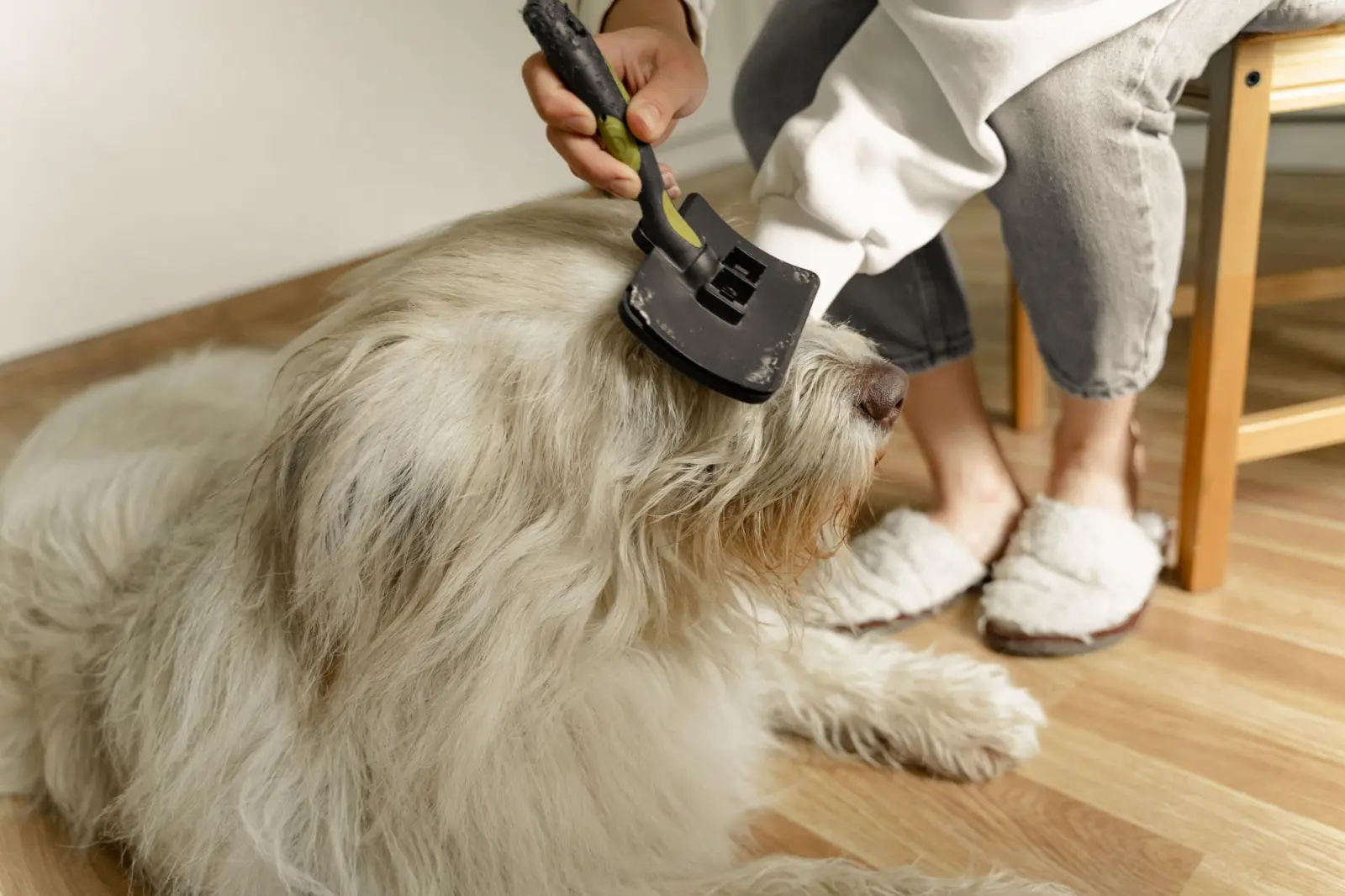
The tool that matters most is an undercoat rake or a high-velocity dryer. I’ve seen people spend money on expensive slicker brushes and pin brushes, which have their place, but they don’t move the volume of undercoat that comes out during a shed cycle. An undercoat rake, used correctly, gets down into the coat and pulls out loose hair efficiently. During heavy shedding phases, you can fill a grocery bag with undercoat in a single session. It looks dramatic, but it’s actually just hair that was already loose and ready to come out.
Bathing matters more than many people realize, but not for the reason they think. A bath doesn’t remove shedding hair more effectively than dry brushing – it actually makes the hair harder to remove when wet. What a bath does is loosen the coat and prepare it for the brushing that comes after. Letting the dog dry completely and then working through the coat with an undercoat rake is when you see the real results. Some people use a high-velocity dryer to blow out the coat while it’s still damp, which speeds up the process considerably, though it’s loud and not every dog tolerates it well.
Frequency depends on the dog and the season. During heavy shedding, once a week is reasonable. Outside those periods, every two weeks keeps things manageable for most households. Some people groom more frequently because they find it easier to maintain consistency than to let it build up and face a massive session later. That’s a valid approach – it’s about what you can sustain.
Matting and Coat Health
Australian Shepherds don’t mat easily if the undercoat is being managed. The problems start when the undercoat is left to accumulate. Mats form in areas of friction – behind the ears, in the armpits, along the back legs where the dog sits – but only if there’s enough loose undercoat trapped against the skin. Regular brushing prevents this entirely. If you see matting starting, it’s a signal that the grooming schedule has slipped, not that the dog’s coat is difficult.
Clipping the coat short is an option some owners consider, particularly in hot climates. The trade-off is real: the coat grows back, but the texture and density can change. Some dogs’ coats never quite return to the original quality. The double coat also provides insulation in both directions – it keeps heat out as well as in. A heavily clipped Australian Shepherd in summer might be more comfortable initially, but the coat’s protective function is compromised. Most of the time, regular grooming addresses the heat concern without needing to resort to clipping.
Ear and Foot Care
The ears deserve specific attention. Australian Shepherds often have feathering on the ears, and that area is prone to moisture and yeast if not kept clean and dry. I’ve seen more ear infections in this breed than necessary, and most of them trace back to grooming neglect in that specific area. The hair inside and around the ear flap needs to be brushed regularly to prevent matting and to allow air circulation. Some people pluck the hair inside the ear canal, though this is debated – the safer approach is to keep it brushed and dry.
Feet need attention too. The hair between the pads can accumulate debris and mat, and it’s easy to miss because owners don’t think to look there. Trimming the hair between the pads keeps the feet cleaner and reduces tracking dirt through the house. It’s a small detail that makes a practical difference in daily life.
Living with an Australian Shepherd’s coat is less about following a rigid schedule and more about reading what the dog is actually showing you. When you see loose hair coming out easily, that’s the signal to brush. When the undercoat feels dense and thick, you know a shed cycle is coming. Once you stop thinking of grooming as a chore and start seeing it as part of understanding the dog, the whole process becomes simpler.