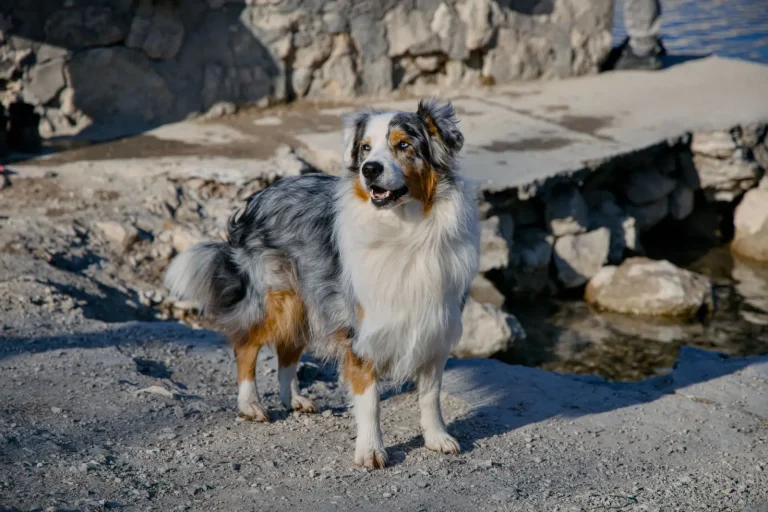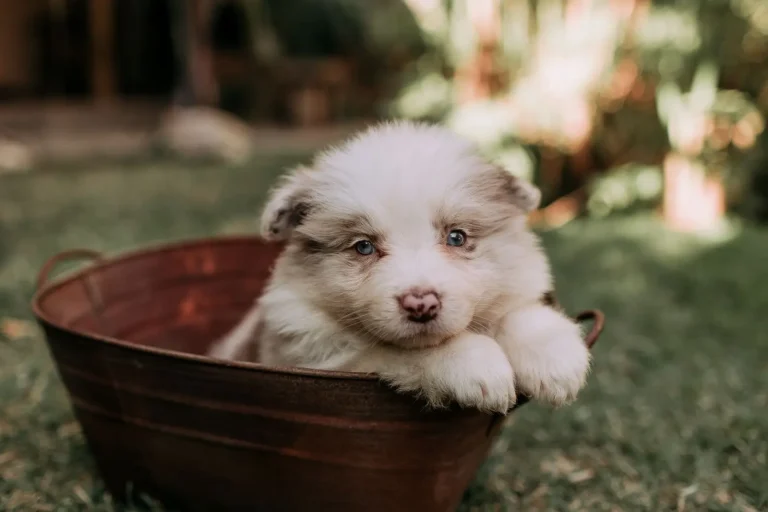

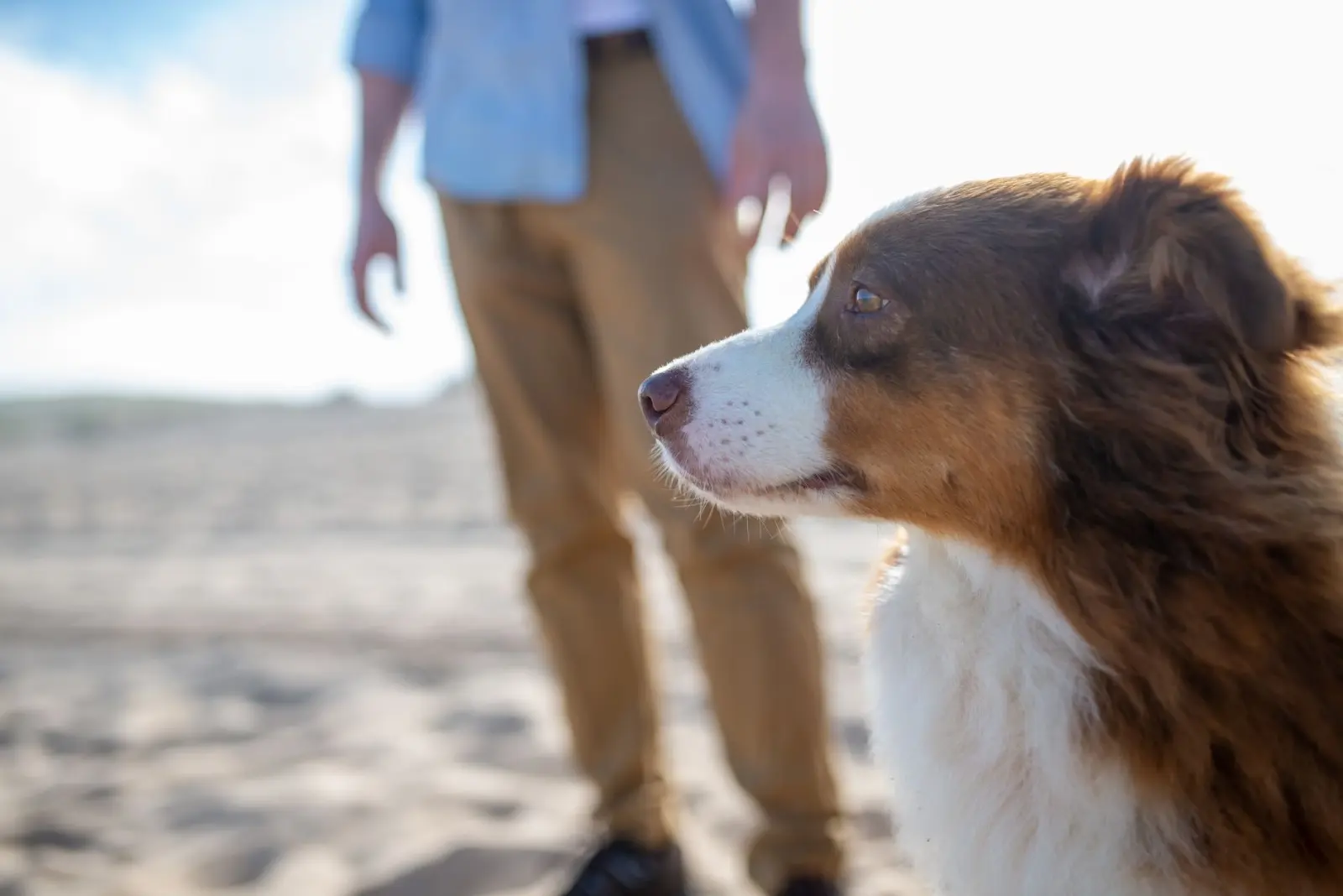
Australian Shepherds are affectionate dogs, but not in the way most people imagine when they picture a clingy, constantly cuddly companion. After years of working with this breed, what strikes me most is how their affection operates on their own terms. They bond deeply with their people, but they express that bond through work, attention, and proximity rather than through constant physical contact or demands for lap time.
The confusion usually starts because Aussies are often described as “velcro dogs” – and there’s truth to that, though it needs context. An Australian Shepherd will follow you from room to room, settle near you while you work, and track your movements with genuine interest. That’s not neediness; that’s engagement. They want to be part of what you’re doing. I’ve watched countless owners misinterpret this as separation anxiety when it’s actually just the breed’s natural inclination to stay connected to their pack and participate in household activity.
The breed was developed to work cattle across open terrain, which means they’re wired to monitor their charges and respond to shifting demands. That same instinct translates into home life as an awareness of where their people are and what’s happening. An Aussie watching you cook dinner isn’t begging for food – they’re simply tracking the activity because engagement is rewarding to them.
How Affection Actually Manifests
Physical affection with Australian Shepherds tends to be selective and purposeful. Many of them enjoy petting and will lean against you, but they’re rarely the type to demand endless cuddles or drape themselves across your lap for hours. Some do; most don’t. What they offer instead is attentiveness. They make eye contact. They respond immediately to their name. They remember your routines and adjust their behavior based on your mood or activity level.
I’ve noticed that Aussies often show affection through play and work. A dog that brings you a toy repeatedly, that engages in chase games, or that responds enthusiastically to training sessions is expressing attachment in a way that feels natural to them. They’re saying, “I want to interact with you in a way that matters.” This is sometimes overlooked by owners expecting a more passive, cuddly relationship.
Touch sensitivity varies significantly within the breed. Some Australian Shepherds genuinely enjoy being petted and will seek it out. Others tolerate it politely but prefer interaction that involves movement or mental engagement. Neither response means they’re not affectionate. It just means their affection language is different from what some owners expect. A dog that sits attentively while you talk to them, that checks in with you during the day, or that relaxes visibly when you come home is showing affection – just not the Hollywood version.
Individual Variation and Socialization
Personality differences within the breed are substantial. Some Australian Shepherds are naturally more outwardly affectionate than others, much like people. Early socialization and individual temperament play enormous roles in how openly a dog expresses attachment. A well-socialized Aussie from a line bred for friendliness will show affection more readily than one from working lines or one that hasn’t had positive early experiences with people.
The critical factor I’ve observed is that affection in this breed is earned and maintained through consistent interaction. An Australian Shepherd that gets regular training, play, and mental stimulation will bond more visibly than one left alone in a yard. They’re not independent in the way some breeds are. They need purpose and engagement to feel connected. When those things are present, their affection becomes obvious – it just looks like active participation rather than passive devotion.
Age also shifts how affection appears. Puppies and young Aussies tend to be more overtly playful and attention-seeking. As they mature, many settle into a calmer presence that’s still deeply attached but less demonstrative. An adult Australian Shepherd might not jump on you when you come home, but they’ll be waiting by the door, and they’ll stay close to you all evening. That’s affection too.
What Happens Without Adequate Engagement
This is where I see the most common problem. Australian Shepherds that don’t get enough mental or physical stimulation often appear aloof or anxious rather than affectionate. A bored Aussie might ignore you, develop destructive behaviors, or seem disconnected. Owners sometimes interpret this as the dog being unaffectionate by nature, when actually the dog is frustrated and understimulated. The affection is there, but it’s being masked by unmet needs.
When an Australian Shepherd gets what they need – work, training, play, clear structure – their affection becomes unmistakable. They’re responsive, engaged, and genuinely happy to be around their people. The difference between a stimulated and unstimulated Aussie is night and day, and it’s one of the most important things to understand about this breed.
Australian Shepherds are affectionate in ways that suit their working heritage and their need for engagement. They’re not the breed for someone wanting a low-key lap dog, but they’re intensely loyal and bonded to their people. Their affection is active, purposeful, and deeply real – it just requires understanding what you’re actually looking at when you’re living with one.