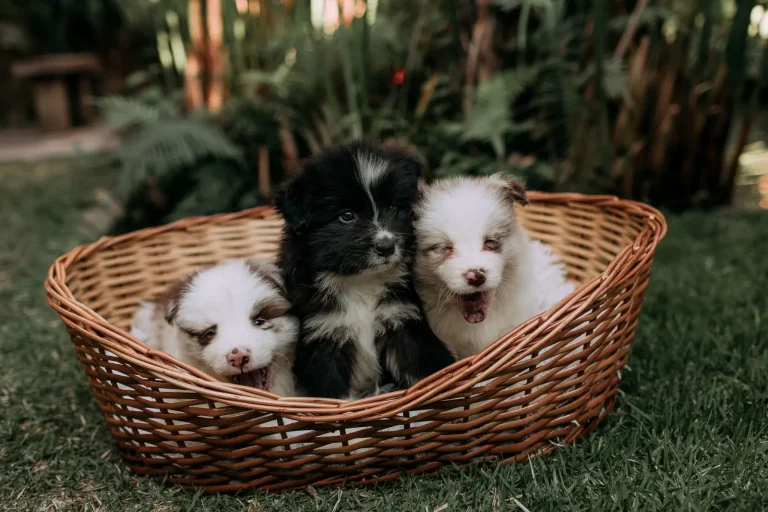


Australian Shepherd puppies go through predictable windows where they become noticeably more cautious or reactive to their environment. These aren’t behavioral problems or signs of poor socialization. They’re developmental phases that happen to most dogs, though the intensity and exact timing vary by individual. After working with dozens of Aussie litters, I’ve learned that understanding these periods matters far more than trying to prevent them.
The first noticeable fear period typically emerges around 8 to 10 weeks of age. A puppy who was confidently exploring the house suddenly hesitates at doorways, startles at sounds that didn’t bother them before, or becomes clingy during outings. This isn’t regression. It’s a neurological shift. The puppy’s brain is developing the ability to perceive threat, which is actually a survival advantage. The problem is that this new perception doesn’t come with nuance yet. A plastic bag blowing across the yard can feel as significant as an actual predator.
What makes this phase tricky with Australian Shepherds specifically is their natural intelligence and sensitivity. They notice everything. They’re bred to watch, react, and make decisions about movement and change. During a fear period, this trait amplifies. An Aussie puppy might become hyperaware of shadows, changes in routine, or unfamiliar people in ways that seem disproportionate to what you’d expect from an 8-week-old.
The Second Fear Period and What Changes
A second, often more pronounced fear period typically occurs between 6 and 14 months of age, with many Aussies showing it around 8 to 10 months. By this point, the puppy is larger, more mobile, and has more confidence in their baseline behavior. Then suddenly they’re hesitant again. A dog who loved car rides becomes anxious. A puppy who played freely in the yard becomes reluctant to venture far from you. The difference this time is that the puppy has enough experience to develop specific fears rather than general wariness.
I’ve seen Aussie owners misinterpret this second period as a training failure or a sign of poor temperament. The puppy seemed fine, so something must have gone wrong. In reality, this is when a puppy’s brain is making more sophisticated connections between experiences and potential outcomes. They’re not broken. They’re developing judgment.
Why Aussies Show These Periods Differently
The Australian Shepherd’s working heritage plays a role here. These dogs were selected for responsiveness and the ability to react quickly to changes in their environment. That genetic predisposition means an Aussie puppy’s fear period might look more pronounced than in a less reactive breed. Where a Golden Retriever puppy might pause briefly at a strange sound, an Aussie might freeze and retreat. Both are experiencing the same developmental window, but the expression is different.
Aussies also tend to be more sensitive to household dynamics and tension. If an owner becomes anxious about the puppy’s fearfulness, the puppy picks up on that immediately. I’ve watched situations where a puppy’s mild hesitation got amplified into genuine anxiety because the owner kept hovering, reassuring, or trying to force the puppy through the scary thing. The puppy learned that the situation was actually worth being afraid of.
What Actually Helps During These Windows
The most effective approach is calm indifference. When your Aussie puppy is nervous about something, continuing your day normally – not forcing interaction, but not accommodating the fear either – sends the right message. If the puppy is afraid of a new person visiting, you don’t need to push them together or keep the puppy away entirely. You simply go about your business, let the person ignore the puppy, and allow the puppy to investigate or retreat at their own pace.
Routine matters during fear periods. Aussie puppies find security in predictability. Maintaining consistent feeding times, training sessions, and play schedules gives the puppy something stable to anchor to while their perception of the world is shifting. I’ve noticed that puppies in chaotic households tend to have longer or more intense fear periods, while puppies with structured days move through them more quickly.
Gentle exposure without pressure works better than avoidance or forced desensitization. If your puppy is nervous about the vacuum, running it regularly while the puppy is in another room, then gradually closer over days or weeks, allows habituation without creating a confrontation. The puppy learns through repeated exposure that the scary thing doesn’t actually harm them.
Common Mistakes That Extend Fear Periods
One pattern I see repeatedly is owners trying to comfort a frightened puppy intensely. This can actually reinforce the fear. When you pick up your nervous Aussie, speak in soothing tones, and give lots of attention during the scary moment, you’re inadvertently rewarding the fearful behavior. The puppy learns that being afraid gets them what they want – proximity, comfort, focus. A better response is to acknowledge the puppy’s emotion without amplifying it, then redirect to something normal.
Another common mistake is skipping socialization during fear periods. Some owners think they should pause outings or new experiences until the puppy “feels braver.” This often backfires. Controlled, low-pressure exposure to new situations actually helps the puppy build confidence. The key is keeping experiences positive and brief, not pushing through obvious distress.
Over-training during fear periods can also be counterproductive. An Aussie’s desire to work and please can mask genuine anxiety. A puppy might perform commands perfectly while internally stressed. This is different from the puppy who simply isn’t interested in training that day. Recognizing the difference – and giving the puppy a break when appropriate – prevents anxiety from becoming a learned response to training itself.
Individual Variation and Temperament
Not all Aussie puppies experience fear periods with equal intensity. Some barely show a noticeable shift. Others go through pronounced windows of caution. Genetics play a role. A puppy from parents with confident, stable temperaments tends to move through fear periods more smoothly than one from anxious lines. Early experiences matter too. A puppy who had positive early handling and diverse experiences before the fear period often shows less intense reactions.
By around 12 to 16 months, most Aussies have moved through the second fear period and settle into a more stable adult temperament. Some individual nervousness might remain, but the acute developmental fear phase passes. What’s important during the window is not panicking, not over-accommodating, and maintaining the puppy’s normal routine and exposure to life.
The reality of living with an Aussie puppy during a fear period is that it’s usually temporary and manageable. It feels significant because you’re watching your confident puppy suddenly hesitate, but it’s a normal part of their development. Staying calm, consistent, and matter-of-fact about it – treating fear as a phase rather than a crisis – is what helps puppies move through it most smoothly.