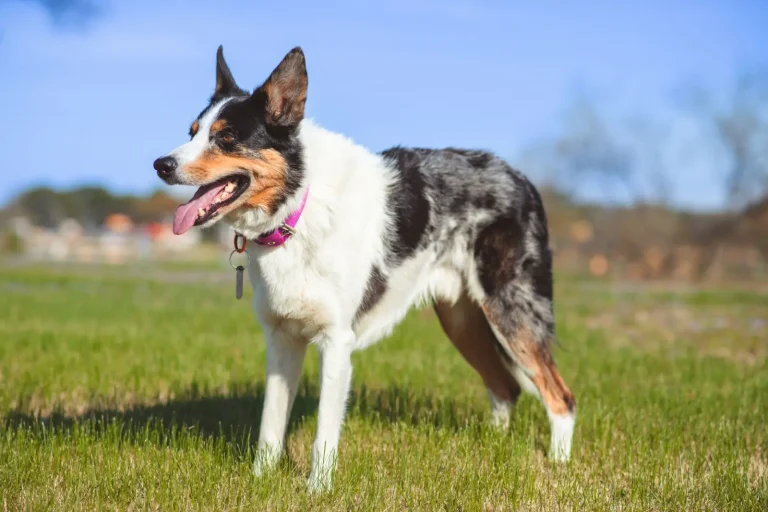


One of the most common misconceptions I encounter with dog owners is the assumption that Australian Shepherds come from Australia. The name certainly suggests it, and I’ve had countless conversations where people are genuinely surprised to learn otherwise. The reality is that these dogs were developed in the United States, primarily in the western states, during the 1800s. The Australian connection exists, but it’s indirect and often misunderstood.
The confusion likely stems from the fact that some of the dogs’ ancestors did come from Australia. Herding dogs were imported to the American West from Australia and other regions during the 19th century, and these imports played a role in the development of what became the Australian Shepherd. However, the breed as we know it today was shaped almost entirely by American ranchers and farmers who needed reliable working dogs for their specific conditions. The dogs were refined and standardized in the United States, not in Australia.
The Actual Origins in the American West
During the mid-1800s, ranchers in the American West faced a practical problem: they needed dogs capable of herding livestock across vast, rugged terrain. The landscape was unforgiving, the work was demanding, and a dog had to be intelligent, tireless, and responsive to commands. Ranchers began experimenting with various herding dog types, crossing dogs imported from Europe, Australia, and other regions with local dogs that showed promise for the work.
These early Australian Shepherds emerged from this practical necessity rather than from any deliberate breeding program with a clear vision. What mattered to ranchers was function, not pedigree. A dog that could herd cattle, work independently, and handle the demands of ranch life was valuable. Over time, through natural selection and intentional breeding for working ability, a recognizable type began to emerge. The dogs tended to be medium-sized, energetic, and intensely focused on their work.
The breed became particularly established in the western states, especially in areas with significant ranching operations. Colorado, California, and surrounding regions saw the development of these dogs into a more consistent type. By the early 1900s, people working with these dogs recognized them as a distinct breed, even though formal breed standards didn’t exist yet.
Why the Name Persists
The exact reason for the “Australian” name remains somewhat debated among breed historians. The most credible explanation is that some of the herding dogs used in the American West came from Australia, and the name stuck as a way of acknowledging that ancestry. Another theory suggests that the name referred to the Australian stock horses that were sometimes used alongside these dogs on ranches, though this seems less likely.
What’s clear is that by the time the breed was formally recognized and named, the Australian connection was already historical rather than current. The dogs had been bred in America for decades, shaped by American ranching needs and American breeders’ preferences. Yet the name had already taken hold, and it has persisted to this day, creating an ongoing source of confusion.
The Working Heritage That Defines the Breed
What truly defines an Australian Shepherd is not geographic origin but working purpose. These dogs were developed to herd livestock, and that function shaped every aspect of their physical and behavioral traits. They have intense herding instincts, high energy levels, and a strong drive to work. They’re responsive to commands and capable of making independent decisions when necessary – qualities essential for a herding dog working at distance from its handler.
I’ve worked with many Australian Shepherds over the years, and the ones that seem most content and behaviorally stable are those whose owners understand and accommodate this working heritage. These aren’t dogs that thrive on passive companionship alone. They need mental stimulation, physical activity, and ideally some form of work or task that engages their herding instincts. Without adequate outlets for these drives, they can develop behavioral problems including excessive barking, destructiveness, and obsessive behaviors.
The breed’s popularity has grown significantly in recent decades, and many Australian Shepherds now live as family pets rather than working dogs. This shift has created some challenges. People attracted to the breed for its appearance or perceived intelligence sometimes underestimate the intensity of its working drive. A dog bred for generations to herd livestock doesn’t simply turn off that instinct in a suburban home.
Modern Recognition and Standards
The Australian Shepherd Club of America was founded in 1957, and the breed was officially recognized by the American Kennel Club in 1991. By that point, the breed had been established in the United States for well over a century. The formal breed standard that was eventually adopted reflected the characteristics that American ranchers had selected for: medium size, athletic build, intelligence, and an intense work ethic.
Interestingly, the breed remains relatively uncommon in Australia itself, despite the name. Australian herding work has traditionally relied on other breeds, particularly the Australian Cattle Dog and the Australian Kelpie, which were developed locally for Australian conditions. The Australian Shepherd, despite its name, is fundamentally an American creation.
Understanding the true origins of the Australian Shepherd matters practically if you’re considering one as a pet or working dog. It explains why these dogs have the temperament and energy level they do, and why they require specific kinds of engagement and activity. The name is a historical artifact that reflects a complex ancestry, but the breed itself is a product of American ranching culture and the practical demands of working livestock in the American West. Recognizing this helps set realistic expectations for what living with one of these dogs actually involves.